
Business
Neighborhood Intelligence Reimagines Fathom Deal to Unlock Digital Asset Value
The company formerly known as Bed Bath & Beyond is restructuring its partnership with Fathom to leverage digital assets like tZero, Medici, and GrainChain,…
TAMFIS NIG LTDRC 8067447CAC ACTIVEFinima, Bonny Island, Rivers State

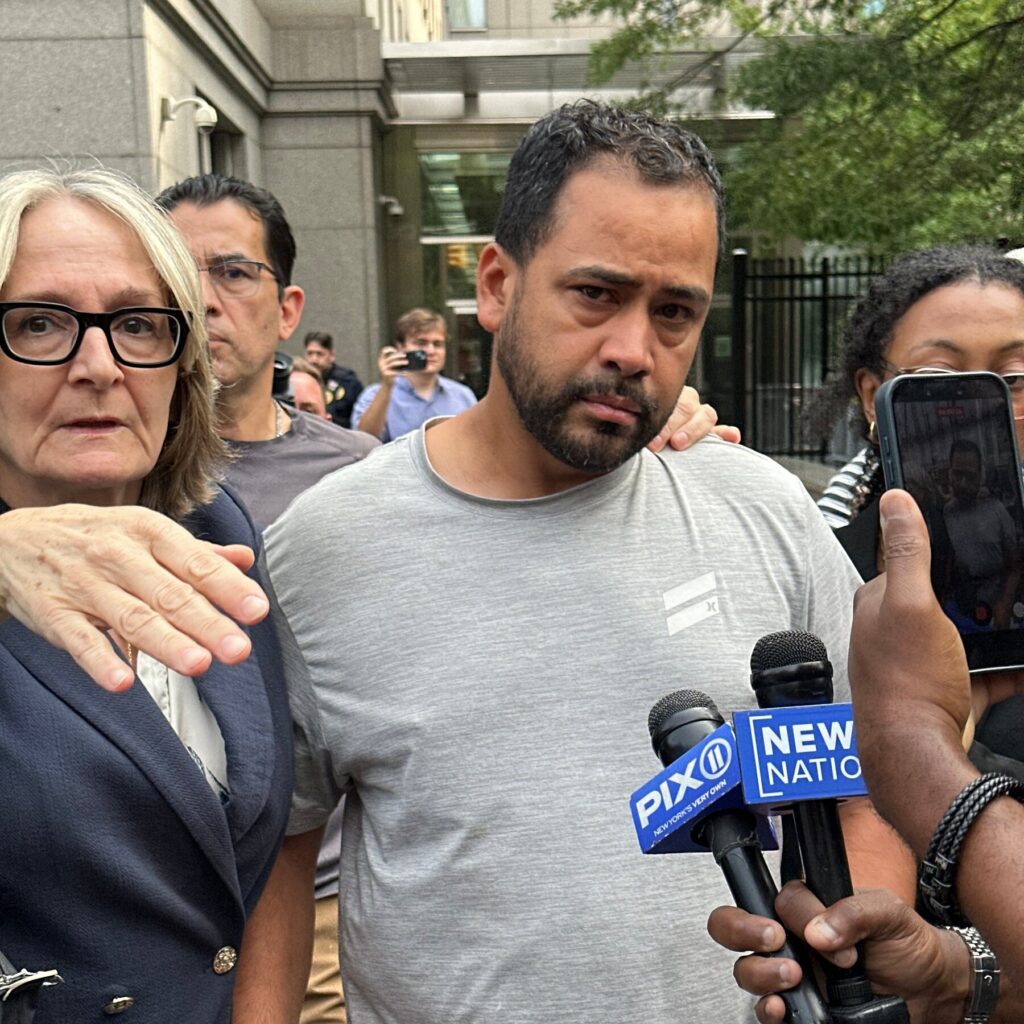
A devastating boating accident in New York City has resulted in the deaths of a mother and her infant daughter. Federal authorities have charged the boat’s captain, Manuel Hernandez, who reportedly knew there were no life vests available for children on board but still permitted the infant to be present. This tragic event has raised serious questions about boating safety, regulatory compliance, and the responsibilities of vessel operators. In this article, we explore the details of the accident, the charges filed, and the broader implications for boating safety in urban waterways.
The accident occurred on a recreational boat navigating New York City waters. According to a federal complaint, Captain Manuel Hernandez knowingly allowed an infant to board despite being aware that there were no child-sized life vests available. Tragically, the boat encountered difficulties, leading to an incident in which both the infant and her mother lost their lives.
Investigations have revealed that Hernandez’s decision to permit the infant on board without the necessary safety equipment was a critical breach of safety protocols. The absence of proper life vests for children was a significant factor contributing to the fatal outcome, underscoring the vital importance of having adequate safety gear for all passengers.
This heartbreaking event has shocked the local community and brought renewed attention to the essential need for stringent safety measures on recreational vessels. Urban waterways like those in New York City are busy and potentially hazardous, making compliance with safety standards even more crucial to prevent such tragedies.
Federal prosecutors have charged Manuel Hernandez in connection with the accident, focusing on his decision to allow the infant on board without appropriate safety gear. The charges emphasize negligence and failure to comply with established safety regulations designed to protect passengers, particularly vulnerable ones such as children.
The legal proceedings will assess whether Hernandez’s actions constitute criminal negligence or recklessness under maritime and federal safety laws. These laws require vessel operators to ensure all passengers have access to proper life-saving equipment and to operate vessels safely to prevent harm.
If convicted, Hernandez could face significant penalties, including fines and imprisonment. This case sets an important precedent reinforcing the legal responsibilities of boat operators to prioritize passenger safety and adhere strictly to regulatory standards, highlighting the consequences of neglecting these duties.
Federal and state regulations mandate that recreational boats carry life jackets for all passengers, including children. These life vests must be appropriately sized and readily accessible. Operators bear the responsibility of verifying compliance with these rules before departure to ensure the safety of everyone on board.
Beyond equipment requirements, captains and crew must maintain constant vigilance in assessing weather conditions, water hazards, and passenger safety throughout the voyage. Neglecting these duties can lead to accidents with severe consequences, as demonstrated by this tragedy.
This incident highlights the critical need for ongoing education and strict enforcement surrounding boating safety. Authorities often recommend that boaters undergo safety training and conduct regular inspections to ensure all safety equipment is present and functional.
Passengers, especially those with young children, should be informed about safety protocols and the importance of wearing life jackets at all times while on the water. Wearing properly fitted life vests significantly enhances protection and can be lifesaving in emergencies.
The deaths of the mother and infant have deeply affected the New York City community, prompting calls for stricter enforcement of boating safety laws. Advocacy groups stress that such tragedies are preventable with proper adherence to safety standards and responsible boating practices.
Boating associations and safety organizations have reiterated their commitment to promoting awareness and training for recreational boaters. They emphasize that operators must never compromise safety for convenience or expedience, as doing so can have fatal consequences.
This incident has also sparked discussions about the adequacy of current regulations and whether additional measures, such as mandatory safety briefings or enhanced vessel inspections, could help prevent similar accidents in the future. Such conversations are vital to evolving safety standards and protecting passengers.
Urban waterways like those in New York City present unique challenges for recreational boating, including heavy traffic, variable weather, and complex navigational hazards. These factors heighten the importance of strict safety compliance to safeguard passengers.
To prevent future tragedies, boat operators should prioritize comprehensive safety checks, ensure all passengers have appropriate life jackets, and avoid carrying passengers who cannot be adequately protected. This includes verifying the availability of child-sized life vests when children are aboard.
Public education campaigns play a vital role in raising awareness about boating risks and safety practices. Encouraging responsible boating behavior benefits not only individual passengers but also the broader community sharing these waterways.
Ultimately, preventing accidents requires a collaborative effort among regulators, boat operators, and the public to foster a culture of safety and accountability on all urban waterways. This collective responsibility is essential to protecting lives and maintaining safe recreational environments.
The tragic deaths of a mother and infant in a New York City boating accident serve as a sobering reminder of the critical importance of boating safety and regulatory compliance. The federal charges against Captain Manuel Hernandez underscore the serious legal and moral responsibilities borne by vessel operators. As investigations continue, this incident highlights the urgent need for rigorous safety practices, enhanced public awareness, and stronger enforcement to protect all passengers, especially the most vulnerable, on our waterways. By learning from this tragedy, communities and boating industries can work together to prevent similar losses in the future.
Originally reported by nytimes.com. Adapted for our readers with AI assistance.
Keep reading
Business
The company formerly known as Bed Bath & Beyond is restructuring its partnership with Fathom to leverage digital assets like tZero, Medici, and GrainChain,…
News
Recall that Poland’s Minister Sikorski’s core claim is partially supported by the numbers, but the framing “quite quickly” and “without the U.S.” does not…
News
By Engr. Tamunofiniarisa BrownReading Time: 6 Minutes The conflict between Russia and Ukraine is often framed in the media as a simple battle between…
TAMFIS NIG LTD
Electrical and instrumentation engineering, bid preparation and consulting, IT and software.