Business
Neighborhood Intelligence Reimagines Fathom Deal to Unlock Digital Asset Value
The company formerly known as Bed Bath & Beyond is restructuring its partnership with Fathom to leverage digital assets like tZero, Medici, and GrainChain,…
TAMFIS NIG LTDRC 8067447CAC ACTIVEFinima, Bonny Island, Rivers State

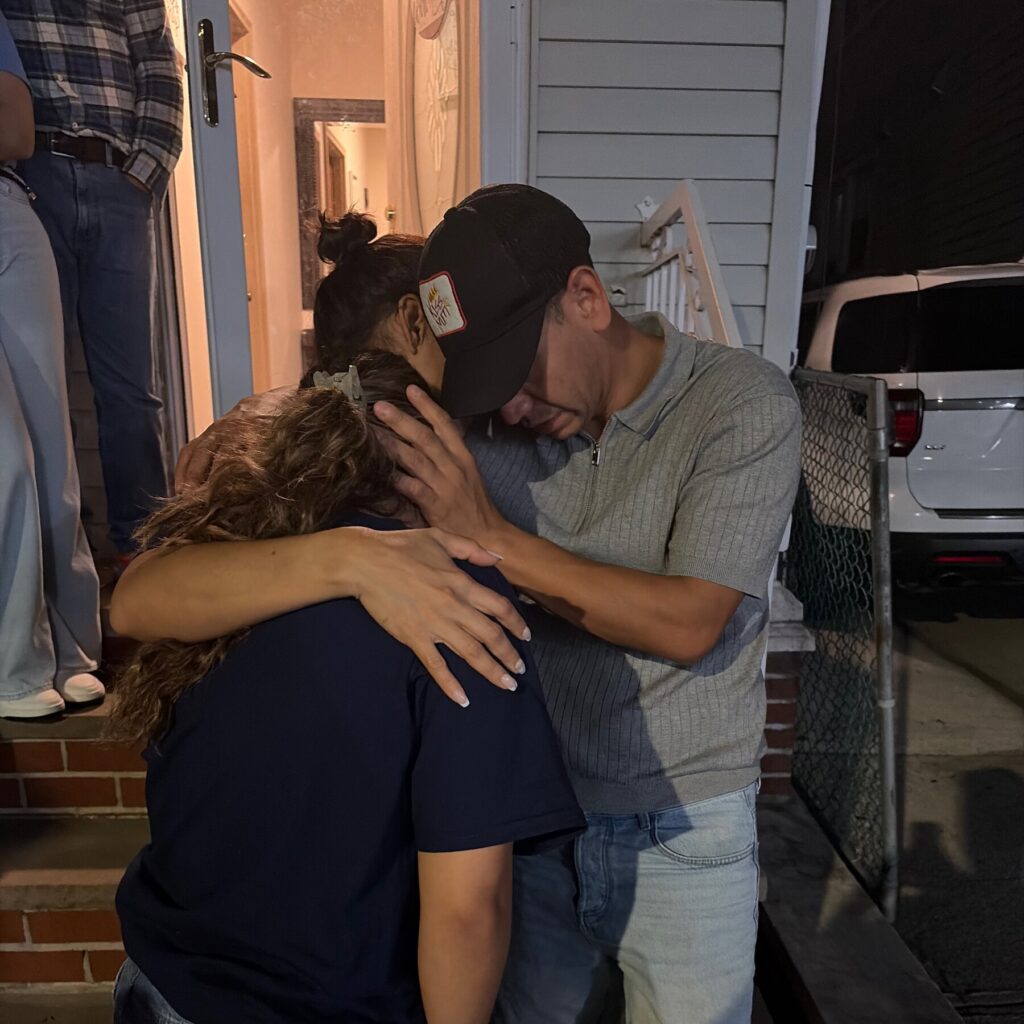
A routine nighttime boat tour in New York Bay turned fatal when the vessel capsized, leading to the heartbreaking loss of a mother and her infant daughter. This incident has raised urgent questions about safety protocols, operator responsibility, and the risks associated with maritime tours in busy urban waterways. Authorities are currently investigating the roles of the tour operator and the pilot to uncover the circumstances that led to this tragedy and to prevent similar occurrences in the future.
On a Saturday evening, a boat tour designed to offer passengers a scenic view of New York City’s iconic skyline took a devastating turn. The vessel, carrying a group of passengers including families, capsized unexpectedly in New York Bay. Emergency responders arrived swiftly, conducting rescue operations amid challenging conditions. Despite their efforts, a mother and her infant daughter tragically lost their lives, marking a somber moment for all involved.
The capsizing occurred within moments, leaving little time for passengers to react or evacuate safely. Witnesses described the chaos and confusion as the boat overturned, highlighting how quickly a leisurely outing can transform into a life-threatening emergency. The suddenness of the event has prompted investigators to examine all operational aspects of the tour, including the vessel’s condition, environmental factors such as weather and water currents, and the decisions made by those responsible for navigating the boat.
Authorities have centered their investigation on the tour operator and the boat’s pilot as key figures in understanding the incident. The operator holds responsibility for maintaining safety standards, ensuring the vessel is seaworthy, and providing adequate training and oversight to the crew. The pilot’s role is critical in safely navigating the waters, especially during nighttime tours when visibility is limited and hazards may be harder to detect.
Investigators are scrutinizing whether proper safety protocols were followed, including the adequacy of passenger safety briefings, the availability and use of life jackets, and the crew’s preparedness for emergencies. They are also reviewing the pilot’s decisions leading up to the capsizing, such as the boat’s speed, chosen route, and responses to environmental challenges like currents, waves, or sudden weather changes.
Preliminary reports suggest the possibility that the boat may have been overloaded or improperly balanced, factors that can severely affect stability. However, these details remain unconfirmed as the investigation continues. The findings will be crucial in determining whether negligence, procedural failures, or unforeseen circumstances contributed to the accident.
Boat tours in urban environments like New York City offer unique and memorable experiences but also present specific safety challenges. Navigating busy waterways requires strict adherence to maritime regulations and heightened vigilance due to the presence of commercial traffic, varying water conditions, and rapidly changing weather patterns.
Nighttime tours add an extra layer of complexity. Reduced visibility can impair a pilot’s ability to detect hazards, judge distances, or respond promptly to sudden changes in the environment. This incident underscores the critical importance of implementing and maintaining rigorous safety measures, including regular vessel inspections, comprehensive crew training, and clear, practiced emergency procedures tailored to nighttime conditions.
Passenger safety briefings before departure are essential, ensuring that all aboard understand how to use life-saving equipment and what actions to take in an emergency. Operators must also carefully consider their vessels’ capacity limits and avoid overloading, which can compromise stability and increase the risk of capsizing.
Maritime tours in the United States operate under regulations enforced by agencies such as the U.S. Coast Guard, which establish standards for vessel safety, crew certification, and operational procedures. However, enforcement and oversight can vary depending on the operator and local jurisdictions, and incidents like this highlight potential gaps in regulatory compliance or industry practices.
In the wake of the capsizing, there may be calls for stricter oversight of tour operators, including more frequent inspections, mandatory safety drills, and enhanced training requirements for crews, especially for tours conducted at night or under challenging conditions.
Industry groups and regulatory bodies might also review and update best practices to enhance passenger safety. This tragedy could serve as a catalyst for revisiting safety standards and ensuring that all operators prioritize passenger well-being above commercial interests, fostering a culture of safety across the maritime tourism industry.
The loss of a mother and her infant daughter has deeply affected the local community and the families involved. Public reactions have included calls for accountability and demands for improved safety measures to prevent similar tragedies in the future.
Tour operators in the area have expressed their condolences and reaffirmed their commitment to safety, emphasizing the importance of learning from this incident to protect passengers going forward. City officials have pledged to support the ongoing investigation and consider policy changes if necessary to enhance maritime safety standards.
This incident serves as a somber reminder of the risks inherent in maritime recreation, especially in busy urban waterways, and the vital importance of stringent safety standards and responsible operation to protect lives and maintain public trust.
The deadly capsizing of a nighttime boat tour in New York Bay is a stark reminder of the critical importance of maritime safety, especially in busy urban environments. As investigators work to determine the causes, the focus on operator and pilot responsibility underscores the need for rigorous adherence to safety standards. This tragedy may prompt regulatory reviews and industry reforms aimed at safeguarding passengers and preventing such heartbreaking incidents in the future. For those considering maritime tours, awareness of safety practices and operator reputation remains paramount to ensuring a secure and enjoyable experience.
Originally reported by nytimes.com. Adapted for our readers with AI assistance.
Keep reading
Business
The company formerly known as Bed Bath & Beyond is restructuring its partnership with Fathom to leverage digital assets like tZero, Medici, and GrainChain,…
News
Recall that Poland’s Minister Sikorski’s core claim is partially supported by the numbers, but the framing “quite quickly” and “without the U.S.” does not…
News
By Engr. Tamunofiniarisa BrownReading Time: 6 Minutes The conflict between Russia and Ukraine is often framed in the media as a simple battle between…
TAMFIS NIG LTD
Electrical and instrumentation engineering, bid preparation and consulting, IT and software.