
News
RUSSIA versus NATO and BRICS vs. NATO Military SWOT
Recall that Poland’s Minister Sikorski’s core claim is partially supported by the numbers, but the framing “quite quickly” and “without the U.S.” does not…
TAMFIS NIG LTDRC 8067447CAC ACTIVEFinima, Bonny Island, Rivers State

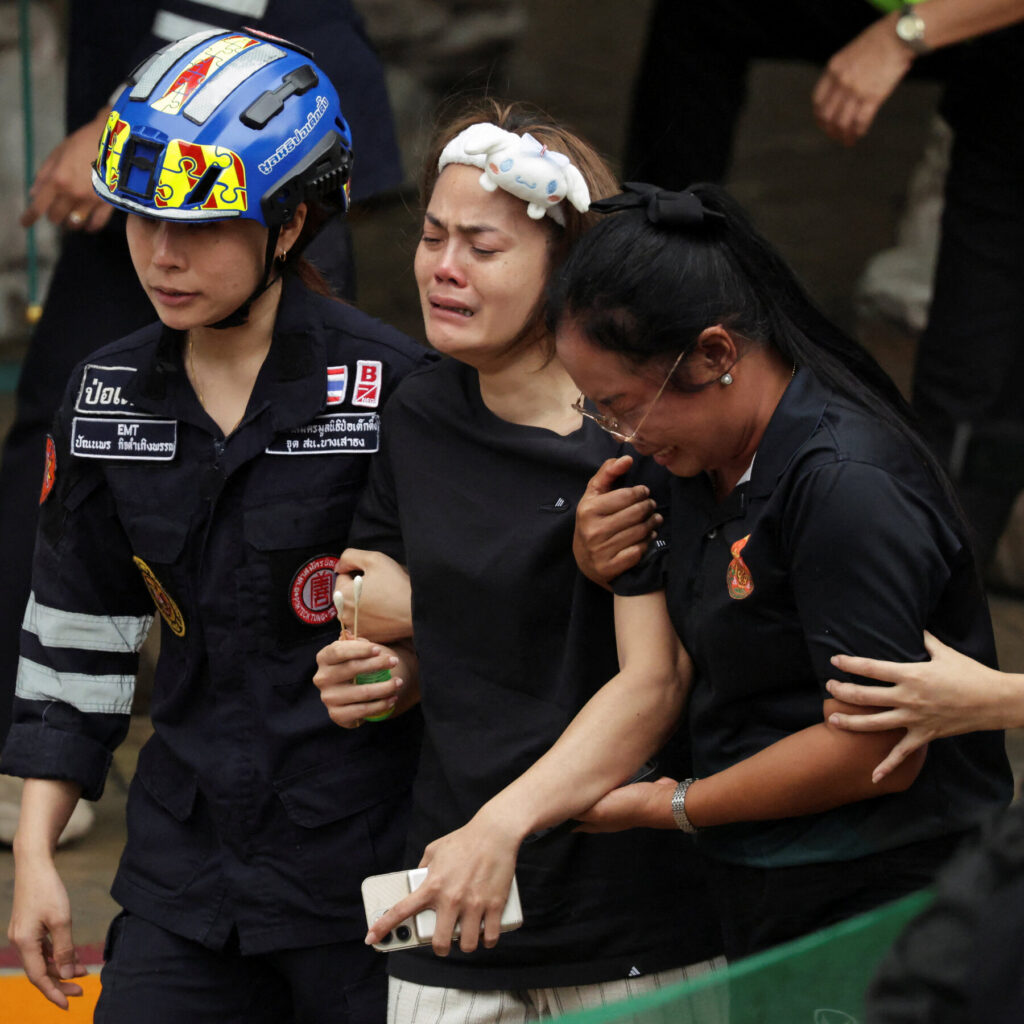
In a shocking event near Bangkok, Thailand, a student fatally shot his grandparents before carrying out a deadly attack at a local high school, resulting in multiple casualties before taking his own life. This tragedy has raised urgent questions about school security, mental health support, and gun control measures in Thailand. This article provides a detailed account of the incident, examines the context surrounding it, and considers the challenges and responses related to such violent acts in educational environments.
Authorities reported that the shooting began at the perpetrator’s grandparents’ home, where the student killed them before proceeding to the nearby high school. Upon arrival at the school, the attacker opened fire, killing several individuals. The exact number of victims at the school is reported to be at least six, bringing the total death toll to eight, including the perpetrator who ended his own life at the scene.
The incident unfolded rapidly and left the local community and authorities in shock. Emergency responders arrived promptly, but the swift and violent nature of the attack limited their ability to prevent the loss of life. The identities of the victims have not been fully disclosed, but the tragedy has deeply affected families and the broader community.
Witnesses described chaotic scenes as students and staff tried to escape or find shelter during the shooting. The high school, typically a place of learning and safety, was transformed into a site of horror within minutes. Law enforcement quickly secured the area to prevent further harm and began investigations to piece together the sequence of events.
School shootings are relatively rare in Thailand compared to some other countries, making this event particularly alarming. The country enforces strict gun laws, which generally limit civilian access to firearms. However, illegal firearms and other weapons remain accessible to some individuals, including youths, posing ongoing challenges for authorities.
Mental health issues among students have been a growing concern in Thailand, with increasing academic pressure, social challenges, and limited mental health resources contributing to stress and isolation. Despite these challenges, public discourse and comprehensive support systems addressing youth mental health remain underdeveloped.
The motives behind the shooting remain under investigation, with officials seeking to understand the perpetrator’s background, psychological state, and any potential warning signs that might have been missed. Early reports suggest that the student may have been struggling with personal issues, but authorities continue to examine all factors to gain a clearer picture.
This incident has brought renewed attention to the importance of mental health awareness, early intervention, and the need for schools and communities to be better equipped to identify and support at-risk individuals.
The shooting has left a profound impact on the local community near Bangkok, with grief and fear permeating the area. Families mourn the loss of loved ones, and the trauma experienced by survivors and witnesses is significant. Schools across the region have responded by heightening security measures and providing counseling services to students, staff, and families affected by the tragedy.
Parents, educators, and community leaders are calling for increased safety protocols and preventive measures to ensure that such an incident does not recur. Discussions about emergency preparedness, threat detection, and mental health resources are gaining momentum, reflecting a collective desire to create safer educational environments.
The event has also sparked national conversations about balancing the need for security with preserving open and welcoming school atmospheres. Many stakeholders emphasize that while safety is paramount, schools must remain nurturing spaces that support learning and personal growth.
In the aftermath, some schools have initiated programs to foster communication between students, teachers, and parents, aiming to build stronger support networks and encourage reporting of concerning behaviors before they escalate.
This shooting has highlighted gaps in Thailand’s approach to school safety and youth mental health. While the country has made progress in various public health and safety domains, the incident underscores the urgent need for more targeted policies addressing violence prevention in schools.
Experts suggest that a multifaceted strategy is essential, combining stricter control of firearms, enhanced mental health services, and community engagement programs. Training school staff to recognize warning signs, establishing clear protocols for responding to threats, and fostering collaboration among law enforcement, educators, and families are critical components.
The government and educational authorities are expected to review existing policies and consider reforms to better protect students and staff. International examples of school safety practices may offer useful models for Thailand to adapt, including comprehensive threat assessment teams and integrated mental health support within schools.
Furthermore, the incident has prompted calls for improved data collection and research on youth violence and mental health issues to inform evidence-based interventions and policy decisions.
In the aftermath of the tragedy, there is a growing consensus on the importance of prevention. This includes not only physical security enhancements such as controlled access to school premises and emergency response drills but also addressing the root causes of violence, such as mental health struggles, social isolation, and family dynamics.
Community-based initiatives, including increased parental involvement, peer support networks, and collaboration with mental health professionals, can play a critical role in identifying at-risk youth and providing timely interventions before crises develop.
Educational campaigns aimed at reducing stigma around mental health and promoting open communication within families and schools are also vital. Policymakers are encouraged to allocate resources toward these efforts to create safer and more supportive environments for students.
Additionally, law enforcement agencies may increase efforts to monitor illegal firearms and enforce existing regulations more rigorously to limit access to weapons by unauthorized individuals. Coordination between schools, police, and community organizations will be essential in these efforts.
Long-term strategies might also include integrating social-emotional learning into school curricula to equip students with skills to manage emotions, resolve conflicts peacefully, and seek help when needed.
The school shooting near Bangkok is a tragic reminder of the devastating impact of violence within educational settings. While such events are rare in Thailand, they reveal critical areas for improvement in school safety, mental health support, and firearm regulation. Addressing these challenges requires a coordinated effort among government agencies, schools, families, and communities. By learning from this tragedy and implementing comprehensive preventive measures, Thailand can work toward ensuring safer environments where students can learn and thrive without fear.
Originally reported by nytimes.com. Adapted for our readers with AI assistance.
Keep reading
News
Recall that Poland’s Minister Sikorski’s core claim is partially supported by the numbers, but the framing “quite quickly” and “without the U.S.” does not…
News
By Engr. Tamunofiniarisa BrownReading Time: 6 Minutes The conflict between Russia and Ukraine is often framed in the media as a simple battle between…
World News
Following a tragic crash on the A66 near Middlesbrough that killed two police officers and five young men, Cleveland Police have arrested three more…
TAMFIS NIG LTD
Electrical and instrumentation engineering, bid preparation and consulting, IT and software.