Business News
NDLEA Intensifies Operations Against Narcotic Trade and Illegal Trafficking
The National Drug Law Enforcement Agency has arrested multiple suspects and seized significant drug consignments in recent operations across Nigeria.
TAMFIS NIG LTDRC 8067447CAC ACTIVEFinima, Bonny Island, Rivers State

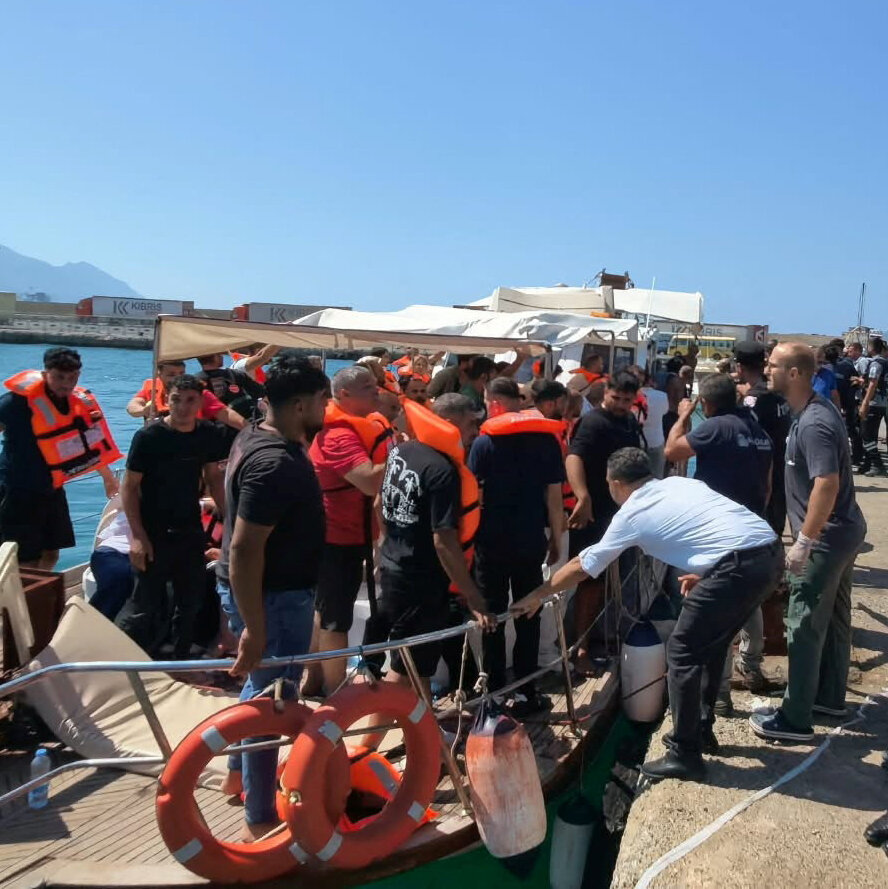
A maritime tragedy unfolded near Cyprus when a catamaran ferry carrying 267 passengers capsized shortly after departing Kyrenia port. The incident has prompted an extensive search and rescue effort involving helicopters, boats and divers, while raising alarm about vessel safety in one of the world's busiest maritime corridors. As investigators examine the cause of the water ingress that led to the disaster, the event underscores persistent challenges in maintaining safety standards for passenger ferries operating across the Mediterranean, particularly during peak tourist season when demand on services is highest.
The vessel involved was a catamaran-type ferry, a design often selected for its speed and stability in calm to moderate seas. It left Kyrenia, a key port on Cyprus's northern coastline, with 267 passengers including tourists and local commuters. Shortly after setting sail, the ferry began to take on water, rapidly undermining its buoyancy and causing it to overturn. Passengers were left either in the sea or trapped within submerged parts of the craft.
While the precise source of the flooding remains under investigation, authorities are scrutinising the ferry's structural condition, possible mechanical faults, prevailing weather and whether safety procedures were correctly applied. The accident occurred in a heavily trafficked shipping lane, which increased the potential for serious consequences but also facilitated a faster emergency response. Nearby commercial and private vessels were among the first to reach the scene, providing initial assistance before official rescue assets arrived and helping to limit the loss of life.
In the immediate aftermath, Cypriot maritime authorities, coast guard units and emergency services launched a coordinated rescue effort. Rescue boats, helicopters and specialist diving teams were dispatched to locate survivors in the water and those still aboard the overturned ferry. The cooperation between state responders and civilian mariners proved critical in swiftly evacuating people from danger. Many individuals were recovered from the sea, some exhibiting signs of hypothermia, physical injury or psychological shock.
Medical teams established temporary treatment points on land to deliver urgent care and stabilise casualties before transferring them to hospitals. Officials have acknowledged the speed and scale of the mobilisation, which undoubtedly contributed to saving lives. Search and recovery work remains ongoing as authorities seek to account for all passengers and provide support to affected families. The rescue operation highlighted both the strengths and vulnerabilities of current maritime emergency systems in the eastern Mediterranean: the response was rapid and well-coordinated, but the event exposed gaps in preventive safety measures that might have avoided the need for such a large-scale intervention.
This tragedy has intensified focus on long-standing worries about ferry safety across the Mediterranean Sea, where passenger vessels operate under intense seasonal pressure. The combination of busy shipping routes, fluctuating weather and high tourist volumes creates a demanding environment for operators and regulators. Although catamaran ferries are generally regarded as stable and efficient, their design can offer little protection against sudden flooding if hull integrity is compromised or maintenance is neglected.
The incident raises important questions about the frequency and thoroughness of safety inspections, the enforcement of maintenance schedules and the robustness of crew training programmes. Experts suggest that regulatory frameworks may need updating to reflect modern operational risks, particularly as older vessels remain in service and passenger numbers grow. Maritime authorities in Cyprus and surrounding nations are expected to conduct comprehensive reviews, with potential outcomes including stricter survey requirements, mandatory upgrades to safety equipment, enhanced oversight of operator compliance, and real-time monitoring systems to detect early signs of water ingress or instability.
Kyrenia relies significantly on ferry services for both tourism and local transportation, linking the region to other parts of Cyprus and neighbouring countries. The capsizing has naturally caused concern among residents and visitors, potentially affecting confidence in maritime transport. Should safety worries persist, there could be a decline in ferry usage, with knock-on effects for local businesses dependent on tourist footfall and cross-border trade.
Local officials are working to reassure the public by emphasising the ongoing investigation and their commitment to implementing any necessary safety improvements. Community support programmes have been activated to assist survivors and bereaved families, offering both practical aid and emotional counselling. These initiatives reflect the resilience of the community but also highlight the broader social and economic disruption that such incidents can cause. The tourism sector may experience short-term setbacks as travellers reconsider plans involving sea crossings, requiring operators to invest in visible safety upgrades and clear communication strategies.
Investigators are examining multiple facets of the incident, including the ferry's maintenance history, crew actions and training, weather conditions at the time and adherence to maritime safety regulations. Particular attention is being paid to the vessel's inspection records and whether any known issues were overlooked. The findings will shape recommendations aimed at preventing similar events, which could involve changes to national policy, regional cooperation frameworks or industry best practices.
The conduct of the ferry operator will come under close scrutiny to determine whether operational shortcuts or cost pressures played a role in the disaster. This aspect of the inquiry may influence future licensing requirements and accountability mechanisms for passenger transport companies. There is also potential for this incident to stimulate wider dialogue across the Mediterranean maritime industry about standardising safety protocols, improving crew competency and increasing passenger awareness of emergency procedures. Ultimately, the goal is to implement lasting reforms that reduce the likelihood of future tragedies and ensure maritime travel remains a secure option.
The ferry capsizing off Cyprus serves as a stark reminder that even in regions with established maritime infrastructure, safety cannot be taken for granted. While the swift and comprehensive rescue operation undoubtedly saved lives, the event has exposed critical gaps in preventive systems that demand urgent attention. For passengers, operators and policymakers alike, the priority must now be to learn from this tragedy and implement meaningful changes that strengthen every link in the safety chain — from design and maintenance to training and emergency response. Only through sustained vigilance and cooperation can the maritime community restore confidence in sea travel and ensure such disasters become rare exceptions rather than recurring risks.
Originally reported by nytimes.com. Adapted for our readers with AI assistance.
Keep reading
Business News
The National Drug Law Enforcement Agency has arrested multiple suspects and seized significant drug consignments in recent operations across Nigeria.
Business
Nigerian shoppers are increasingly turning to AI assistants like ChatGPT, Claude and Gemini for product ...
Business
The global developer workforce has undergone a transformative expansion over the past five years, fundam...
TAMFIS NIG LTD
Electrical and instrumentation engineering, bid preparation and consulting, IT and software.