
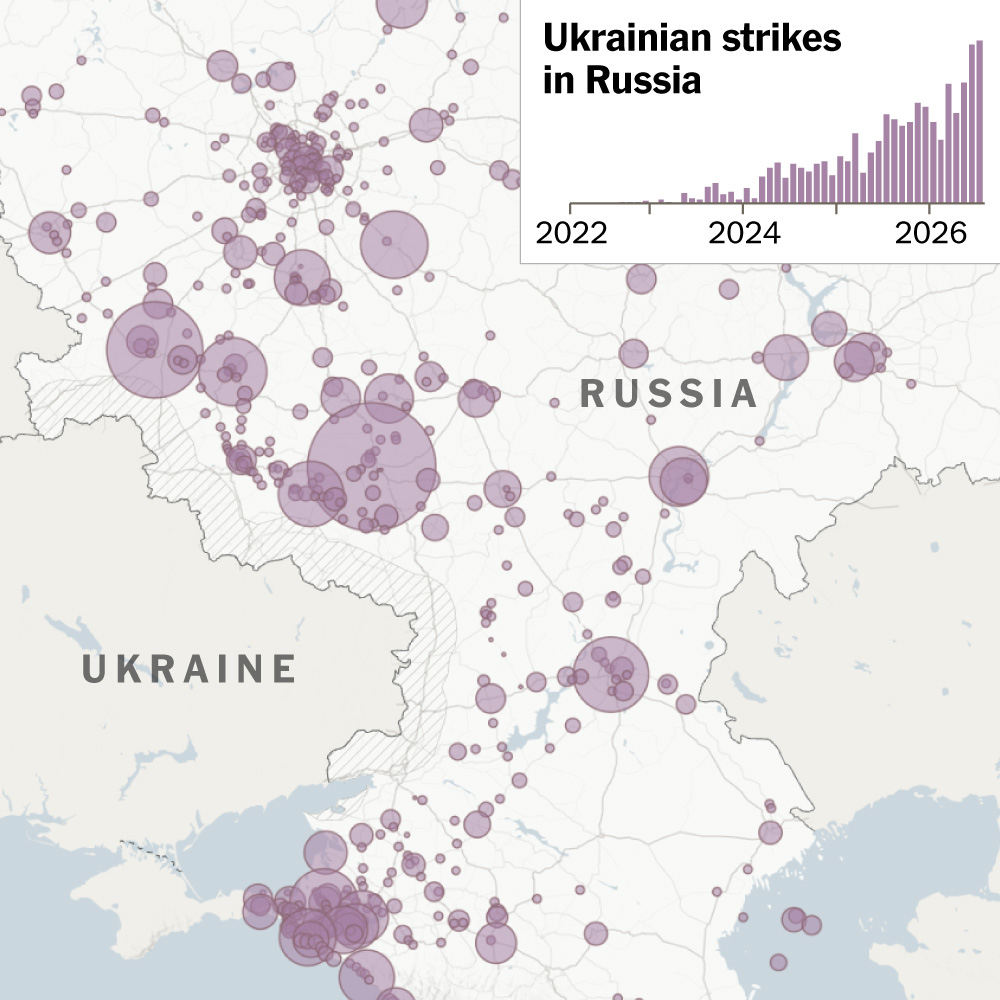
The conflict between Russia and Ukraine has evolved significantly since its inception, with recent developments highlighting a dramatic shift toward aerial combat. With ground operations largely stalled, both sides are investing heavily in the development and deployment of advanced aerial weaponry. This transformation underscores the critical role of air power in modern warfare and reflects a strategic recalibration aimed at gaining the upper hand in a protracted conflict. The increasing reliance on aerial systems marks a new phase where innovation in drone technology, missile precision, and electronic warfare capabilities are central to military strategy.
From Ground Stalemate to Aerial Innovation
The protracted ground fighting in Ukraine has reached a point where territorial gains have slowed considerably, leading both Russia and Ukraine to seek alternative methods to break the deadlock. This has resulted in a pronounced pivot toward the skies, with each side accelerating the production and deployment of aerial weapons designed to disrupt enemy operations and secure strategic advantages.
This shift to aerial warfare represents more than a mere tactical adjustment; it reflects the changing dynamics of the conflict. Entrenched positions and fortified defenses have made traditional ground assaults costly and less effective, prompting commanders to leverage air power as a means to strike with precision, gather critical intelligence, and provide direct support to ground forces. The aerial domain offers flexibility and reach that ground forces currently lack, enabling rapid responses and the ability to target key enemy assets from a distance.
Innovative Aerial Weapons: A New Arsenal Emerges
Both Russia and Ukraine have introduced a variety of new aerial weapons, ranging from advanced drones to precision-guided missiles. These innovations are specifically tailored to the unique challenges of the Ukrainian battlefield, where electronic warfare, countermeasures, and the need for rapid deployment are paramount.
Ukraine, leveraging its domestic technological capabilities alongside international support, has developed and deployed a diverse fleet of drones capable of both reconnaissance and targeted strikes. These unmanned aerial systems provide real-time intelligence, enabling commanders to make informed decisions quickly. Moreover, they can engage high-value targets with minimal risk to personnel, a critical advantage given the dangers of frontline combat.
Russia, on the other hand, continues to refine its missile technology and deploys a mix of traditional and modern aerial platforms. The Russian military’s focus includes enhancing the range, accuracy, and payload capacity of its weapons to maintain sustained pressure on Ukrainian forces and infrastructure. This includes the use of long-range cruise missiles and loitering munitions designed to penetrate Ukrainian air defenses and disrupt command and control networks.
Strategic Implications of Air Superiority
Control of the skies has become a critical factor influencing the broader conflict. Air superiority enables forces to conduct continuous surveillance, disrupt enemy supply lines, and execute precision strikes that can significantly alter the battlefield landscape.
For Ukraine, maintaining and expanding air capabilities is essential for defending key urban centers and critical infrastructure. Effective aerial defense systems, combined with offensive drone operations, help offset Russia’s numerical and technological advantages in other military domains. This balance is vital for sustaining morale and operational effectiveness on the ground.
Russia’s pursuit of air dominance aims to weaken Ukrainian resistance and create conditions favorable for renewed ground offensives. By targeting command centers, logistics hubs, and communication networks from the air, Russia seeks to degrade Ukraine’s operational effectiveness and limit its ability to coordinate counterattacks. Achieving air superiority would provide Russia with a strategic edge, potentially enabling breakthroughs on the ground.
Challenges and Risks in the Aerial Battlefield
Despite advances in aerial weaponry, both sides face significant challenges that complicate the deployment and effectiveness of drones and missiles. Electronic warfare plays a pivotal role, with both Russia and Ukraine employing sophisticated jamming and countermeasure systems designed to disrupt enemy communications and navigation.
Anti-aircraft defenses also pose a constant threat to aerial platforms, forcing operators to adapt tactics and invest in stealth and survivability features. The evolving cat-and-mouse dynamic between offensive aerial systems and defensive countermeasures underscores the complexity of modern air warfare.
Moreover, the risk of escalation looms large. Increased aerial engagements raise the stakes for potential broader conflict involving neighboring countries or international actors, especially given the proximity of NATO member states and the international attention on the conflict.
Sustaining high-tempo aerial operations is also economically and logistically demanding. Continuous production, maintenance, and the need for skilled personnel strain resources on both sides, influencing the pace and scale of aerial campaigns. This burden may affect long-term operational sustainability.
The Future of the Ukraine Air War
Looking ahead, the air war in Ukraine is likely to remain a dynamic and pivotal element of the conflict. Continued innovation in aerial technology, including the integration of artificial intelligence and autonomous systems, may further transform how air power is applied on the battlefield.
International support, particularly through technology transfers and intelligence sharing, will be crucial in shaping the capabilities of both sides. Ukraine’s ability to access advanced systems and training could significantly enhance its aerial warfare effectiveness.
Ultimately, the battle for air superiority will not only influence military outcomes but also the political and humanitarian dimensions of the war. Control of the skies affects civilian safety, the delivery of humanitarian aid, and the overall stability of the region. As such, the air war’s evolution will have far-reaching consequences beyond the immediate military context.
What this means
The intensifying air war in Ukraine represents a significant evolution in the conflict’s nature, emphasizing the growing importance of aerial capabilities in modern warfare. As Russia and Ukraine continue to innovate and deploy advanced aerial weapons, control of the skies will remain a decisive factor in shaping military strategies and outcomes. Understanding this shift is essential for comprehending the current state and future direction of the conflict, as well as its broader implications for regional stability and international security. The ongoing aerial arms race highlights the critical interplay between technology, strategy, and geopolitics in modern conflict zones.
Source: How the Ukraine War Became a Fight for the Skies via www.nytimes.com.
This article was curated with AI assistance and reviewed according to Tamfis editorial settings.