News
RUSSIA versus NATO and BRICS vs. NATO Military SWOT
Recall that Poland’s Minister Sikorski’s core claim is partially supported by the numbers, but the framing “quite quickly” and “without the U.S.” does not…
TAMFIS NIG LTDRC 8067447CAC ACTIVEFinima, Bonny Island, Rivers State

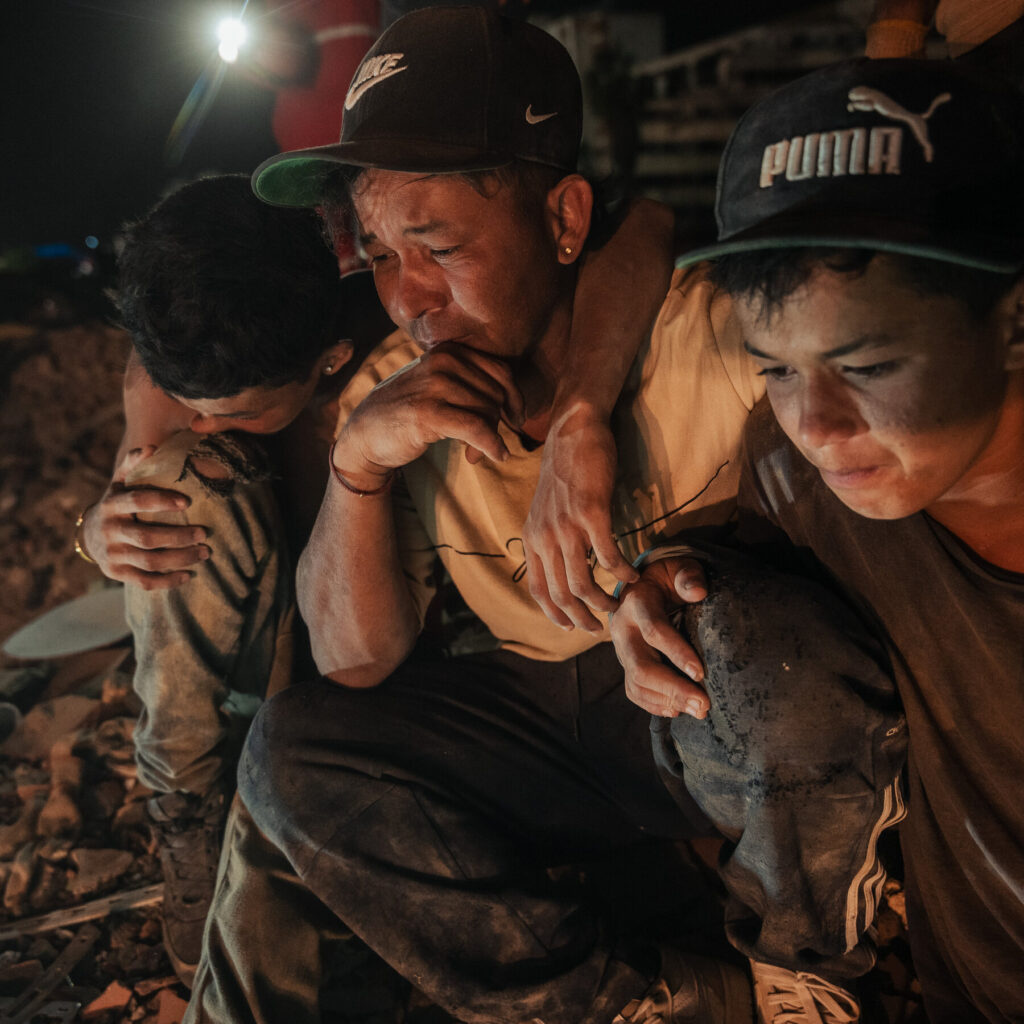
Natural disasters often compound the hardships faced by displaced families, especially those fleeing conflict or economic instability. This is the case for two teenage brothers from Venezuela who, after enduring the tragic loss of their mother and other relatives, survived a devastating earthquake in their homeland and then faced another deadly quake in Colombia, their new country of refuge. Their experience sheds light on the vulnerabilities of migrant populations confronting environmental catastrophes and the broader implications for humanitarian aid and disaster preparedness in Latin America.
The two brothers originally lived in Venezuela, a country grappling with political turmoil, economic collapse, and widespread social challenges. In recent years, Venezuela has experienced a severe humanitarian crisis, marked by shortages of basic goods, healthcare deficiencies, and escalating violence. Amid this instability, the brothers suffered the heartbreaking loss of their mother and other family members, a tragedy that profoundly shaped their lives.
Seeking safety and stability, they joined millions of Venezuelans who have fled their homeland in search of better opportunities. Colombia, sharing a long and porous border with Venezuela, has been a primary destination for these migrants, offering relative security and access to services. For the brothers, the move represented hope for a fresh start and a chance to rebuild their lives away from the hardships that had marked their past.
However, this new beginning was soon tested by unforeseen challenges. The brothers had barely settled when Colombia was struck by a powerful earthquake, threatening the fragile stability they had found and exposing the vulnerabilities faced by displaced populations in host countries.
Shortly after the brothers arrived in Colombia, a significant earthquake struck the region, causing widespread destruction and loss of life. The seismic event affected both native Colombians and the large population of Venezuelan migrants living in the area, many of whom reside in precarious housing conditions.
Surviving two deadly earthquakes in different countries is a rare and harrowing experience that underscores the compounded risks faced by displaced individuals. Migrants often live in informal settlements or overcrowded urban neighborhoods that lack earthquake-resistant infrastructure, making them particularly susceptible to natural disasters.
For the brothers, the earthquake disrupted their already fragile sense of security and forced them to confront yet another crisis. This experience compounded the trauma they had endured, highlighting the intersection of migration and environmental vulnerability that many displaced families face.
Migrant families like these brothers encounter multiple layers of vulnerability during natural disasters. Language barriers, limited access to formal aid, and weak social networks can hinder their ability to receive timely assistance and information. These factors often delay evacuation efforts and reduce the effectiveness of emergency responses.
Moreover, displaced populations frequently reside in informal or temporary housing with inadequate infrastructure, which increases their risk during earthquakes, floods, and other emergencies. Such living conditions also complicate recovery efforts, as migrants may lack legal documentation or stable employment, limiting their access to government support.
The brothers’ experience highlights the critical need for disaster preparedness programs that specifically address the unique needs of migrant and refugee communities. This includes ensuring their inclusion in early warning systems, evacuation plans, and recovery initiatives, as well as providing culturally sensitive communication and support services.
The earthquakes in Venezuela and Colombia have drawn attention to the broader humanitarian challenges facing the region. Both countries struggle to provide adequate disaster response due to economic constraints, political complexities, and the sheer scale of affected populations.
International aid organizations have mobilized to assist those impacted by the quakes, but the demand for resources often exceeds supply. The situation of migrant families caught between two crises—displacement and natural disaster—illustrates the urgent need for coordinated, multi-sectoral approaches that integrate disaster relief with migration support services.
Strengthening regional cooperation is essential to improving disaster preparedness and response. Investments in resilient infrastructure, such as earthquake-resistant housing and critical public facilities, can mitigate the impact of future natural disasters on vulnerable populations, including migrants. Additionally, cross-border collaboration can enhance information sharing, resource allocation, and emergency planning.
Addressing these challenges requires a comprehensive strategy that recognizes the interconnectedness of migration, economic instability, and environmental hazards in Latin America.
Despite the immense challenges they have faced, the brothers’ survival story is a powerful testament to human resilience. Young people in displaced communities often experience disrupted education, psychological trauma, and uncertain futures, yet many demonstrate remarkable strength, adaptability, and hope.
Their journey through loss, migration, and natural disaster reflects broader themes of endurance that resonate across displaced populations worldwide. Youth play a critical role in rebuilding their communities and shaping their futures, but they require targeted support to overcome the obstacles they face.
Supporting the mental health and educational needs of displaced youth is essential to helping them rebuild their lives and contribute positively to their new communities. Programs that provide psychosocial support, access to schooling, and opportunities for social integration can empower young migrants to heal from trauma and develop skills for long-term success.
The story of these two Venezuelan brothers, who endured the loss of family and survived deadly earthquakes in both Venezuela and Colombia, underscores the complex interplay between migration and natural disasters. Their experience reveals the urgent need for inclusive disaster preparedness and humanitarian strategies that address the unique vulnerabilities of displaced populations. As climate change continues to increase the frequency and severity of natural disasters, it is imperative for governments, aid organizations, and communities to work collaboratively to protect and empower those most at risk. Investing in resilience, infrastructure, and social support systems will not only save lives but also help rebuild hope for families striving to overcome adversity.
Originally reported by nytimes.com. Adapted for our readers with AI assistance.
Keep reading
News
Recall that Poland’s Minister Sikorski’s core claim is partially supported by the numbers, but the framing “quite quickly” and “without the U.S.” does not…
News
By Engr. Tamunofiniarisa BrownReading Time: 6 Minutes The conflict between Russia and Ukraine is often framed in the media as a simple battle between…
World News
Following a tragic crash on the A66 near Middlesbrough that killed two police officers and five young men, Cleveland Police have arrested three more…
TAMFIS NIG LTD
Electrical and instrumentation engineering, bid preparation and consulting, IT and software.