
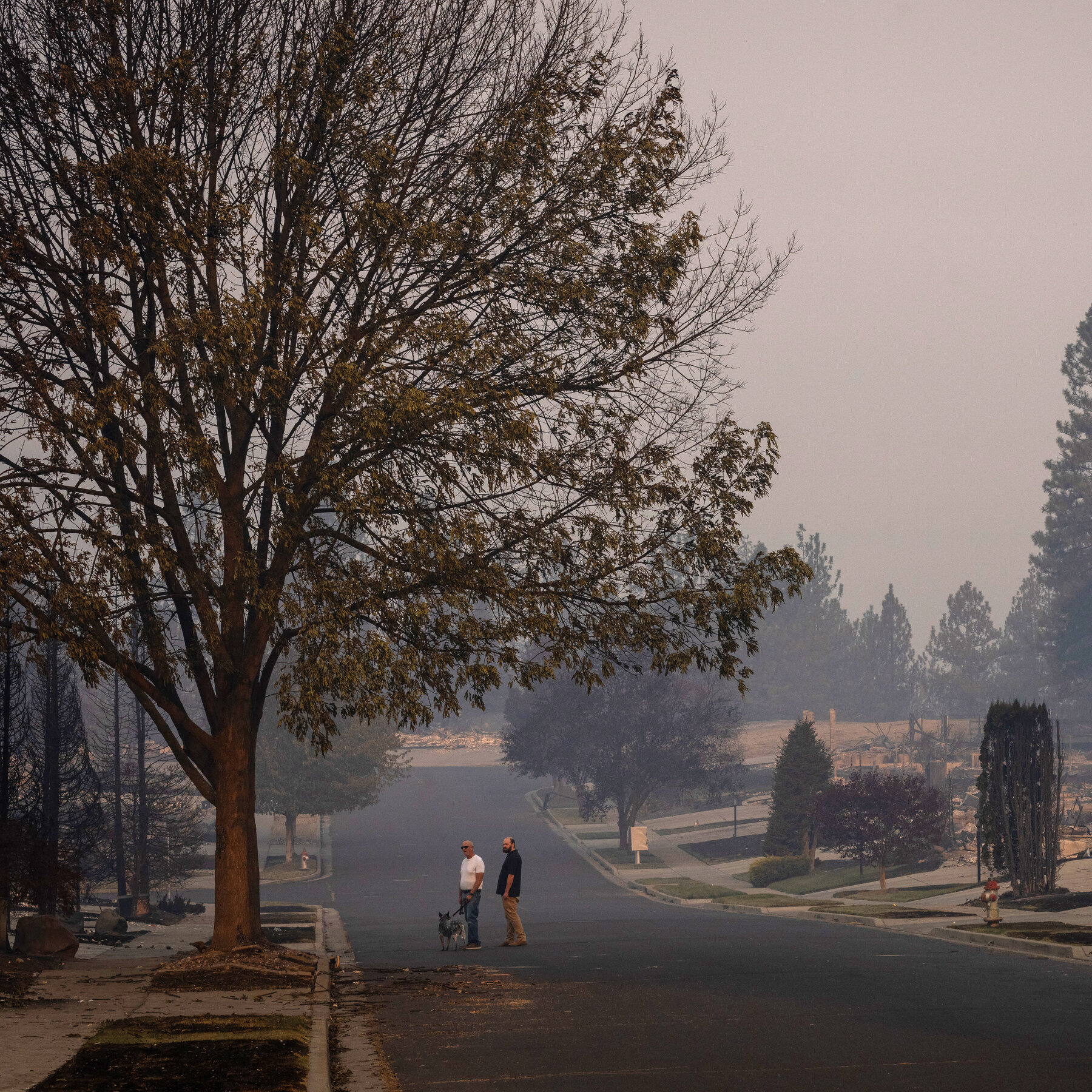
Over the past weekend, Spokane faced a series of intense wildfires that rapidly spread across the region, leaving behind a trail of destruction. The fires have severely impacted homes, infrastructure, and natural landscapes, presenting a significant challenge to emergency responders and local residents. Fortunately, no deaths have been reported, and recent shifts in weather have brought some relief, allowing evacuees to begin returning. Understanding the extent of the damage, the response efforts, and the prospects for recovery is essential for appreciating the full scope of this disaster and what lies ahead for Spokane.
The Scale and Impact of the Fires
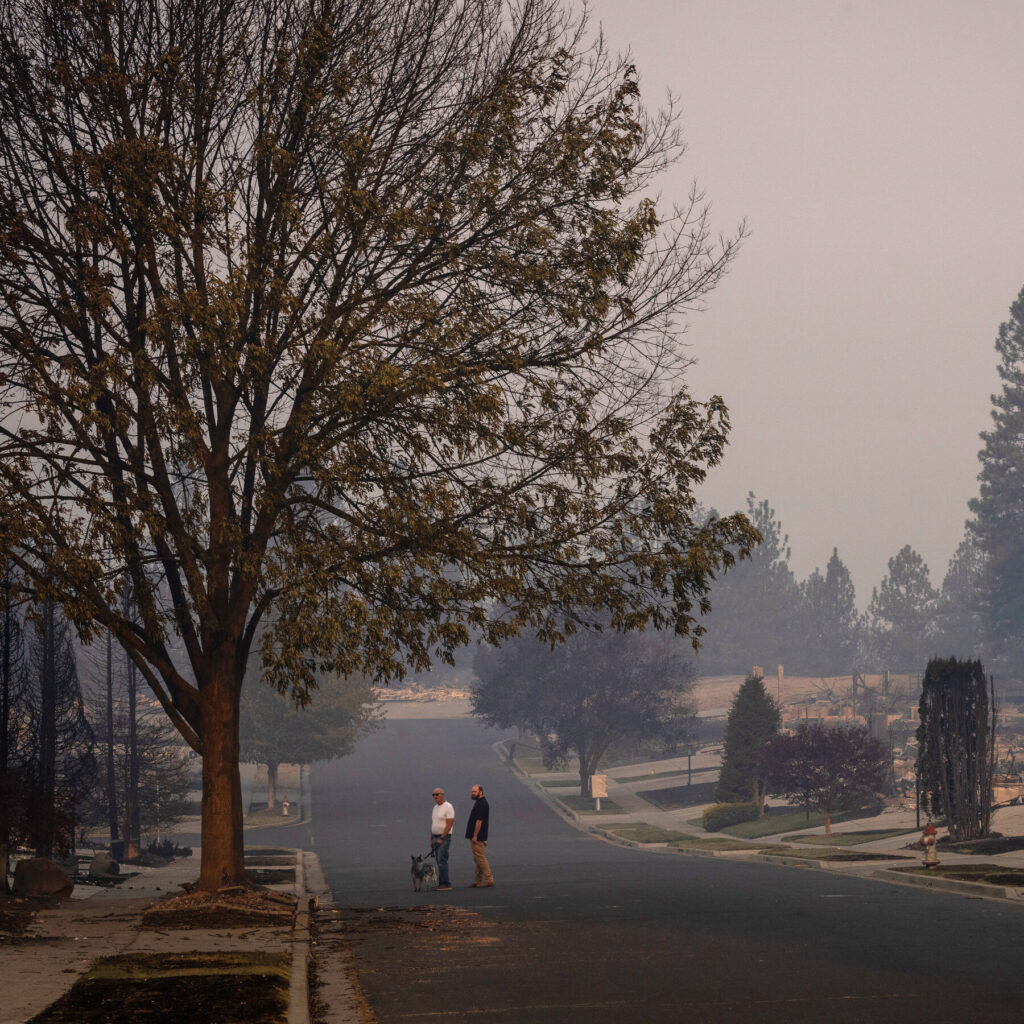
The wildfires that erupted over the weekend in Spokane rapidly engulfed vast areas, fueled by dry conditions and strong winds. Entire neighborhoods were consumed, with many homes and businesses destroyed or severely damaged. The natural environment also suffered greatly, as forests and grasslands were reduced to charred remains. The visual impact has been described as akin to a war zone, underscoring the severity of the destruction and the profound transformation of the landscape.
Despite the extensive property damage, emergency officials have confirmed that there have been no fatalities related to the fires. This outcome is attributed to swift evacuation orders and effective coordination among firefighting teams and local authorities. The absence of loss of life amid such widespread devastation is a testament to the preparedness and responsiveness of emergency services. Nevertheless, the emotional and economic toll on the affected communities remains profound, as families face the loss of homes and livelihoods.
Emergency Response and Evacuations
In response to the rapidly spreading fires, local authorities issued immediate evacuation orders to protect residents from the advancing flames. Emergency services mobilized quickly, setting up shelters and providing essential resources for displaced individuals and families. Firefighters from Spokane and neighboring regions collaborated intensively to contain the blazes, working around the clock under challenging and hazardous conditions.
The coordination between multiple agencies was critical in preventing loss of life. Communication channels were established to keep residents informed about evacuation zones, fire progression, and safety measures, helping to maintain order amid the chaos. Despite the urgency and scale of the situation, the evacuation process was largely orderly, reflecting the preparedness and resilience of the community. This effective response highlights the importance of well-practiced emergency plans and interagency cooperation during natural disasters.
Weather Conditions and Their Role in Fire Management
Weather played a significant role in both the spread and containment of the Spokane wildfires. Initially, dry conditions combined with gusty winds accelerated the fires’ expansion, complicating firefighting efforts and contributing to the rapid destruction witnessed over the weekend. These weather factors created a volatile environment that challenged even experienced firefighting teams.
Fortunately, recent changes in weather have brought cooler temperatures and increased humidity, which have helped slow the fires' advance. These improved conditions have allowed firefighting teams to gain better control over the blazes, reducing the immediate threat to remaining properties and enabling some evacuees to return home safely. Continued monitoring of weather patterns remains essential to anticipate any potential flare-ups, as shifts in wind or dryness could reignite active fire zones.
Community Impact and Recovery Efforts
The aftermath of the wildfires has left many Spokane residents grappling with loss and uncertainty. Displaced families face the daunting challenge of finding temporary housing, replacing lost possessions, and navigating complex insurance claims. Local businesses affected by the fires are working to assess damages and plan for reopening, a process that may take months given the extent of destruction.
Recovery efforts are already underway, involving government agencies, non-profits, and community organizations. These groups are coordinating to provide financial assistance, counseling services, and rebuilding support to those affected. The community’s resilience is evident in the collective response, but the road to full recovery will require sustained effort and resources over an extended period.
Environmental restoration is also a priority, as the affected landscapes need rehabilitation to prevent erosion and support ecosystem recovery. Experts are evaluating the long-term ecological impact and developing strategies to restore vegetation and wildlife habitats. This work is crucial not only for environmental health but also for reducing the risk of future fires and maintaining the natural beauty and resources of the region.
Looking Ahead: Preparedness and Prevention
The Spokane wildfires highlight the ongoing risk of such disasters in regions prone to dry conditions and heat. As climate patterns evolve, the frequency and intensity of wildfires may increase, necessitating enhanced preparedness measures and adaptive strategies.
Local authorities and communities are reviewing fire prevention strategies, including controlled burns, vegetation management, and improved building codes designed to reduce vulnerability to wildfires. Public education campaigns aim to raise awareness about fire safety, evacuation procedures, and the importance of community readiness.
Investing in early detection technologies such as satellite monitoring and expanding firefighting resources will be critical to mitigating future wildfire impacts. Collaboration between government agencies, scientists, and residents is essential to build resilience against similar events. By learning from this recent disaster, Spokane can strengthen its defenses and better protect lives, property, and the environment in the years ahead.
What this means
The recent wildfires in Spokane represent a significant natural disaster with far-reaching consequences for the community and environment. While the absence of fatalities is a positive outcome amid the destruction, the path to recovery will be complex and demanding. The event underscores the importance of robust emergency response systems and proactive wildfire management strategies. As Spokane rebuilds, the lessons learned from this experience will be essential in enhancing resilience and safeguarding the region against future wildfire threats.
Source: ‘A War Zone’: Spokane Wildfires Leave a Devastating Trail of Destruction via www.nytimes.com.
This article was curated with AI assistance and reviewed according to Tamfis editorial settings.