Business News
NDLEA Intensifies Operations Against Narcotic Trade and Illegal Trafficking
The National Drug Law Enforcement Agency has arrested multiple suspects and seized significant drug consignments in recent operations across Nigeria.
TAMFIS NIG LTDRC 8067447CAC ACTIVEFinima, Bonny Island, Rivers State

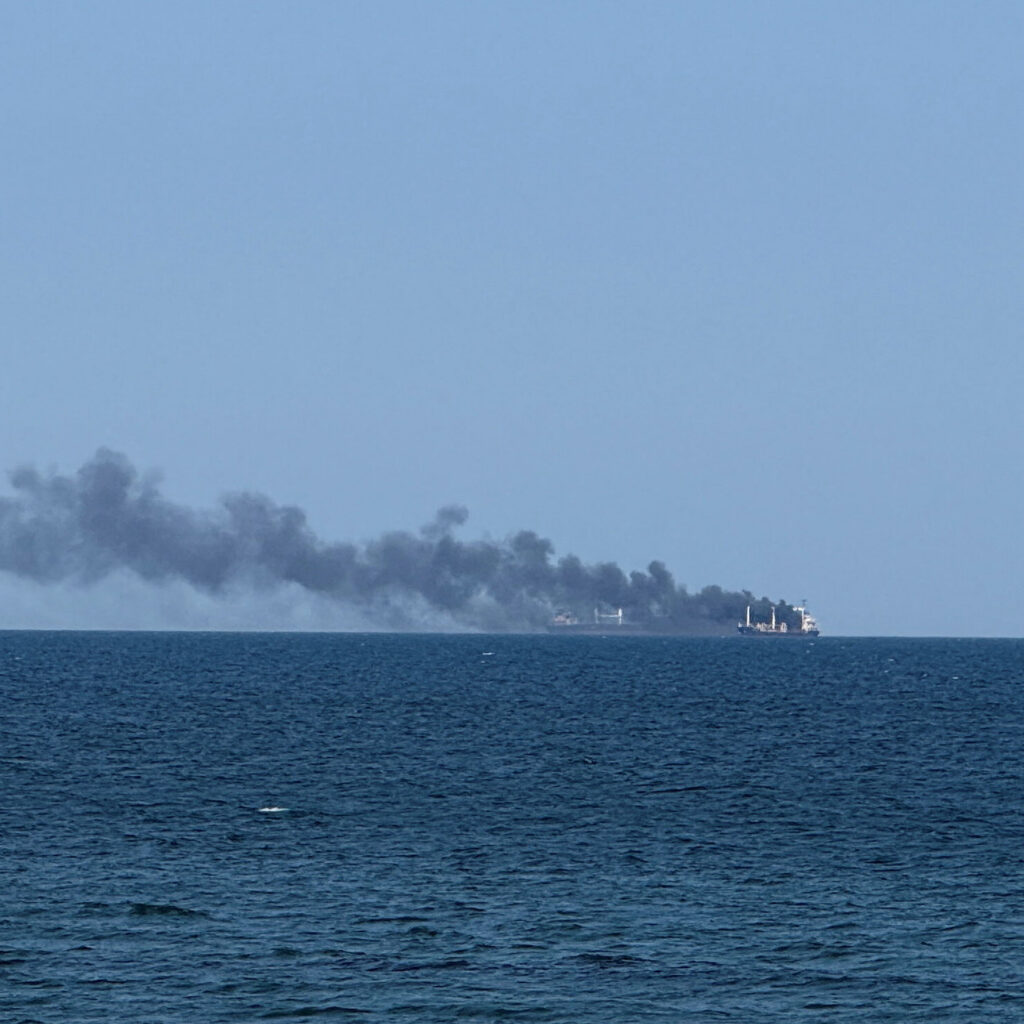
The conflict between Russia and Ukraine has expanded beyond terrestrial battles into a critical maritime confrontation that is severely disrupting global grain supplies. Russian strikes on Ukrainian ports, particularly the pivotal port of Odesa, have effectively blocked key shipping routes used for exporting grain—a vital commodity for many countries worldwide. This blockade not only undermines Ukraine’s economy but also poses significant risks to global food security, emphasizing the broader implications of maritime control in modern geopolitical conflicts and the interconnected nature of global trade.
Ukraine is among the world’s largest exporters of grain, including wheat, corn, and barley, supplying essential foodstuffs to numerous countries across Europe, Africa, and Asia. Its ports along the Black Sea coast, especially Odesa, serve as crucial gateways for these exports, facilitating the efficient movement of millions of tons of grain annually. The uninterrupted operation of these maritime routes is essential for maintaining steady global food supplies and stabilizing international markets.
The Russian blockade and repeated missile and drone attacks on these ports have severely curtailed Ukraine’s export capacity. Ships carrying grain face heightened risks of damage or destruction, delays due to navigational hazards, or outright denial of access to port facilities. As a result, Ukraine has been forced to seek alternative export routes that are often longer, more expensive, and less secure, such as overland transport through neighboring countries or smaller, less-equipped ports. This disruption threatens to create shortages and price spikes in global grain markets, exacerbating food insecurity in vulnerable regions.
The conflict’s maritime dimension reflects a broader global pattern where control over strategic shipping lanes becomes a key objective in geopolitical rivalries. Russia’s naval and missile operations in the Black Sea aim to assert dominance over this critical waterway, effectively denying Ukraine the use of its ports and restricting the movement of both commercial goods and military supplies.
These strikes are not isolated incidents but part of a sustained campaign designed to weaken Ukraine’s economic resilience by disrupting its export infrastructure. Attacks have targeted cargo ships, port facilities, and navigational routes, creating a hazardous environment for commercial shipping and deterring maritime traffic. This maritime battle parallels other global disputes where control of key sea lanes influences geopolitical power balances, such as in the South China Sea or the Strait of Hormuz, underscoring the strategic importance of maritime dominance in modern warfare.
The blockade’s ripple effects extend far beyond the Black Sea region. Countries heavily reliant on Ukrainian grain, including many in Africa and the Middle East, face increased risks of food shortages and inflation. These regions often already grapple with economic instability, climate challenges, and political unrest, making them particularly vulnerable to supply disruptions.
Market reactions have been swift and pronounced, with grain prices experiencing significant volatility as traders respond to uncertainty about supply continuity. The blockade contributes to inflationary pressures worldwide, affecting not only food prices but also related sectors such as livestock feed and biofuels. This situation highlights the interconnectedness of global supply chains and the far-reaching consequences that regional conflicts can have on international markets and food security.
International organizations and governments have actively sought to negotiate safe passage agreements to allow grain exports to resume. Diplomatic efforts, including talks brokered by the United Nations and Turkey, aim to establish humanitarian corridors and reduce the risk of attacks on commercial vessels navigating the Black Sea. However, progress has been slow and fragile, with frequent violations undermining trust and stability in the region.
Alternative export routes have been explored to alleviate the blockade’s impact. Overland transport through neighboring countries like Poland and Romania offers some relief but faces logistical challenges such as limited rail and road capacity, increased transit times, and higher costs. Smaller ports along the Danube River and the Sea of Azov have also been utilized, but their limited infrastructure restricts the volume of grain that can be handled. These complexities underscore the critical role of maritime infrastructure in global trade and the difficulty of substituting these routes quickly or efficiently.
The ongoing blockade of Ukrainian ports illustrates how maritime security has become central to geopolitical conflicts and global economic stability. Control over key ports and shipping lanes can influence not only military outcomes but also the availability of essential resources such as food, energy, and raw materials.
Ensuring the safety and openness of international waterways requires coordinated international efforts and robust mechanisms to prevent and resolve conflicts. The situation in the Black Sea serves as a stark reminder of vulnerabilities in global trade networks and the need for resilient systems to safeguard critical supply chains. Strengthening maritime security frameworks and fostering diplomatic cooperation will be essential to mitigating the risks posed by such conflicts in the future.
The Russian blockade of Ukraine’s major ports has far-reaching consequences that extend well beyond the immediate conflict zone. By disrupting grain exports, it threatens global food security and highlights the strategic importance of maritime routes in contemporary geopolitical struggles. Addressing this crisis demands concerted international action to protect shipping lanes and ensure the uninterrupted flow of essential commodities. The situation underscores the complex interplay between regional conflicts and global economic stability, reminding policymakers of the urgent need to strengthen maritime security frameworks and foster cooperative solutions to safeguard critical supply chains.
Originally reported by nytimes.com. Adapted for our readers with AI assistance.
Keep reading
Business News
The National Drug Law Enforcement Agency has arrested multiple suspects and seized significant drug consignments in recent operations across Nigeria.
Business
Nigerian shoppers are increasingly turning to AI assistants like ChatGPT, Claude and Gemini for product ...
Business
The global developer workforce has undergone a transformative expansion over the past five years, fundam...
TAMFIS NIG LTD
Electrical and instrumentation engineering, bid preparation and consulting, IT and software.