News
Beyond the Rhetoric: A Neutral Analysis of the Russia-Ukraine Conflict
By Engr. Tamunofiniarisa BrownReading Time: 6 Minutes The conflict between Russia and Ukraine is often framed in the media as a simple battle between…
TAMFIS NIG LTDRC 8067447CAC ACTIVEFinima, Bonny Island, Rivers State

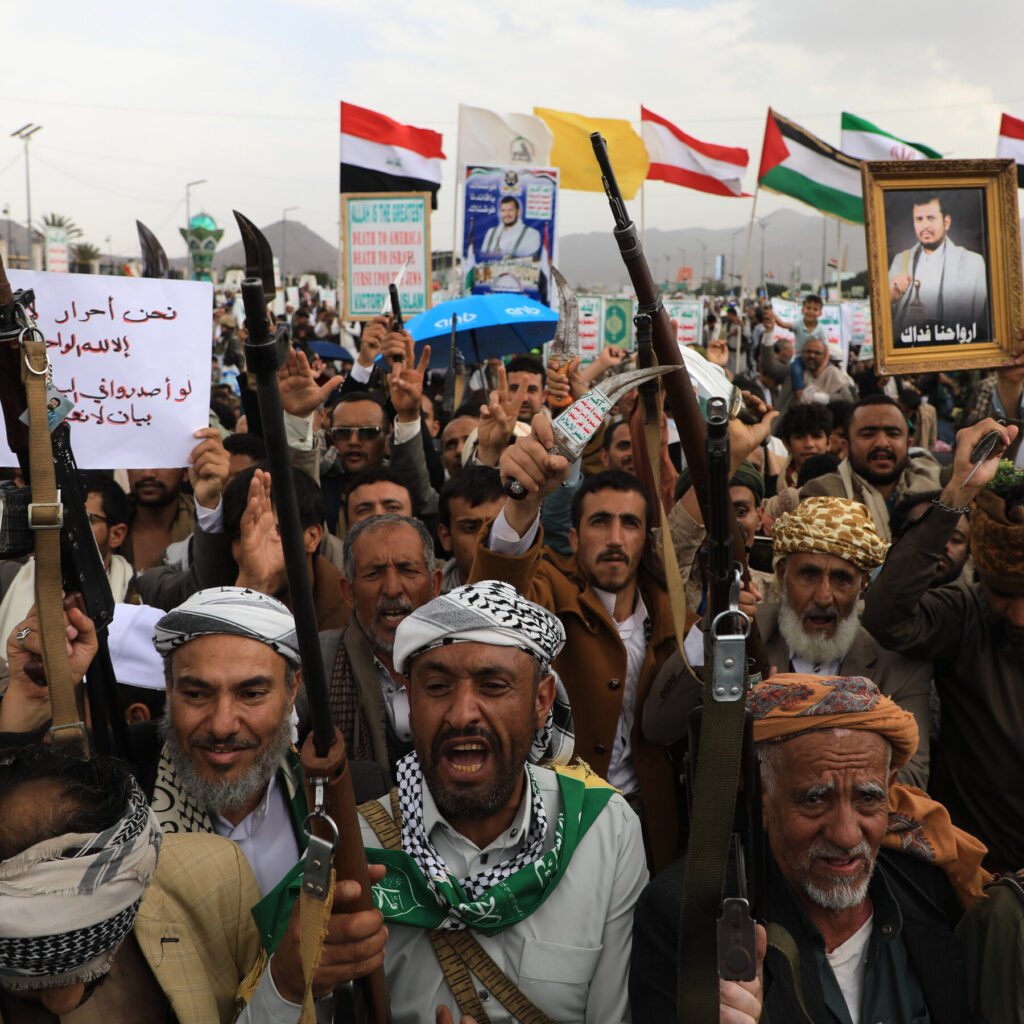
Yemen, a country long plagued by conflict, faces renewed instability as the Iran-backed Houthi movement claims responsibility for a recent assault on a Yemeni military camp. This attack has heightened fears that the fragile truce, brokered in 2022 after years of devastating war, may be on the verge of collapse. Understanding the background, the recent developments, and the potential consequences is essential to grasp the evolving dynamics in Yemen’s conflict and the broader regional implications.
Yemen has been embroiled in a multifaceted civil war since 2014, when the Houthi movement, a Shia rebel group supported by Iran, seized control of the capital, Sanaa, and large swathes of the country. The internationally recognized Yemeni government, backed by a Saudi-led coalition, has been fighting to regain control ever since. The conflict quickly escalated into a complex proxy war, drawing in regional powers and exacerbating sectarian divisions.
The war has inflicted one of the world’s worst humanitarian crises, with millions facing famine, widespread displacement, and civilian casualties. Infrastructure destruction and blockades have severely limited access to food, medical supplies, and essential services. In 2022, after years of intense fighting and international pressure, a truce was negotiated to halt hostilities and open pathways for peace talks. This ceasefire brought a measure of relief to the war-torn country, though it remained fragile and intermittently violated by both sides.
In early August 2026, the Houthis claimed responsibility for a coordinated attack on a Yemeni military camp. While precise details about the scale and casualties of the assault remain limited, the attack targeted a strategically important military installation, signaling a significant escalation in hostilities. This move demonstrates the Houthis’ willingness to directly challenge Yemeni government forces, potentially undermining the fragile truce.
The timing of the attack is particularly alarming, as it comes amid ongoing diplomatic efforts to solidify peace. Regional and international observers have expressed concern that this assault could represent a deliberate test of the Yemeni government’s and its allies’ resolve, possibly foreshadowing a broader resumption of conflict. The attack has already heightened tensions on the ground, with fears of retaliatory strikes and further violence escalating.
Several intertwined factors contribute to the fragility of the current ceasefire. The Houthis, backed by Iran, have strategic and political motivations to assert control over Yemen’s territory and resources, seeking to expand their influence and leverage in the region. Their alliance with Iran is part of a broader regional rivalry with Saudi Arabia, which supports the Yemeni government and aims to curb Iranian influence.
Conversely, the Yemeni government, supported by Saudi Arabia and other Gulf states, is determined to restore its authority and counterbalance the Houthis’ gains. This dynamic fuels a zero-sum struggle for control, complicating peace efforts.
Moreover, internal divisions within Yemen—including tribal loyalties, local power struggles, and fragmented governance—pose significant challenges to sustaining peace. Economic hardships, exacerbated by years of war and blockades, have deepened social discontent and instability, creating fertile ground for renewed violence.
The recent attack reflects these underlying tensions and highlights the difficulties in maintaining a ceasefire without comprehensive political solutions that address the root causes of the conflict, including governance reforms, equitable resource distribution, and reconciliation among rival factions.
The Yemeni conflict is a focal point of broader regional rivalries, particularly between Iran and Saudi Arabia. The Houthis’ close ties to Iran and the Yemeni government’s alliance with Saudi Arabia mean that any escalation in Yemen risks intensifying tensions across the Middle East.
A collapse of the truce could prompt increased military engagement by regional powers, potentially drawing in international actors and complicating diplomatic efforts aimed at peace. This escalation could destabilize neighboring countries and disrupt global energy markets, given the strategic location of the Red Sea and the Bab el-Mandeb strait.
The humanitarian situation, already dire, would likely deteriorate further, with more civilians caught in the crossfire and aid organizations facing greater obstacles in delivering assistance. International stakeholders, including the United Nations and Western countries, have a vested interest in preserving peace in Yemen to prevent further destabilization and to address the ongoing humanitarian crisis.
Despite the recent attack, there remains a window of opportunity for renewed negotiations and de-escalation. Diplomatic efforts must prioritize inclusive dialogue that addresses the concerns of all parties involved, including the Houthis, the Yemeni government, and local actors such as tribal leaders and civil society representatives.
Confidence-building measures, such as prisoner exchanges, ceasefire monitoring, and expanded humanitarian access, could help restore trust between the conflicting sides. However, achieving lasting peace requires addressing broader issues such as governance reforms, economic recovery, and the reduction of foreign interference.
The international community’s role is crucial in facilitating these talks, providing humanitarian aid, and supporting reconstruction efforts. Coordinated regional and global engagement can help create conditions conducive to peace, but this will require sustained commitment and a willingness from all parties to compromise.
The recent Houthi attack marks a critical juncture in Yemen’s ongoing conflict, threatening to unravel the fragile ceasefire that has offered a glimpse of hope since 2022. While the situation is precarious, it also underscores the urgent need for renewed diplomatic engagement and comprehensive solutions that address the root causes of the conflict. The path to peace in Yemen is complex and fraught with challenges, but with coordinated regional and international efforts, there remains a possibility to prevent a return to full-scale war and to alleviate the suffering of millions of Yemenis.
Originally reported by nytimes.com. Adapted for our readers with AI assistance.
Keep reading
News
By Engr. Tamunofiniarisa BrownReading Time: 6 Minutes The conflict between Russia and Ukraine is often framed in the media as a simple battle between…
World News
Following a tragic crash on the A66 near Middlesbrough that killed two police officers and five young men, Cleveland Police have arrested three more…
World News
When floodwaters surged toward a school in Nepal, Principal Rajendra Dawadi had mere minutes to act. His rapid response and evacuation plan ensured the…
TAMFIS NIG LTD
Electrical and instrumentation engineering, bid preparation and consulting, IT and software.