
Business News
NDLEA Intensifies Operations Against Narcotic Trade and Illegal Trafficking
The National Drug Law Enforcement Agency has arrested multiple suspects and seized significant drug consignments in recent operations across Nigeria.
TAMFIS NIG LTDRC 8067447CAC ACTIVEFinima, Bonny Island, Rivers State

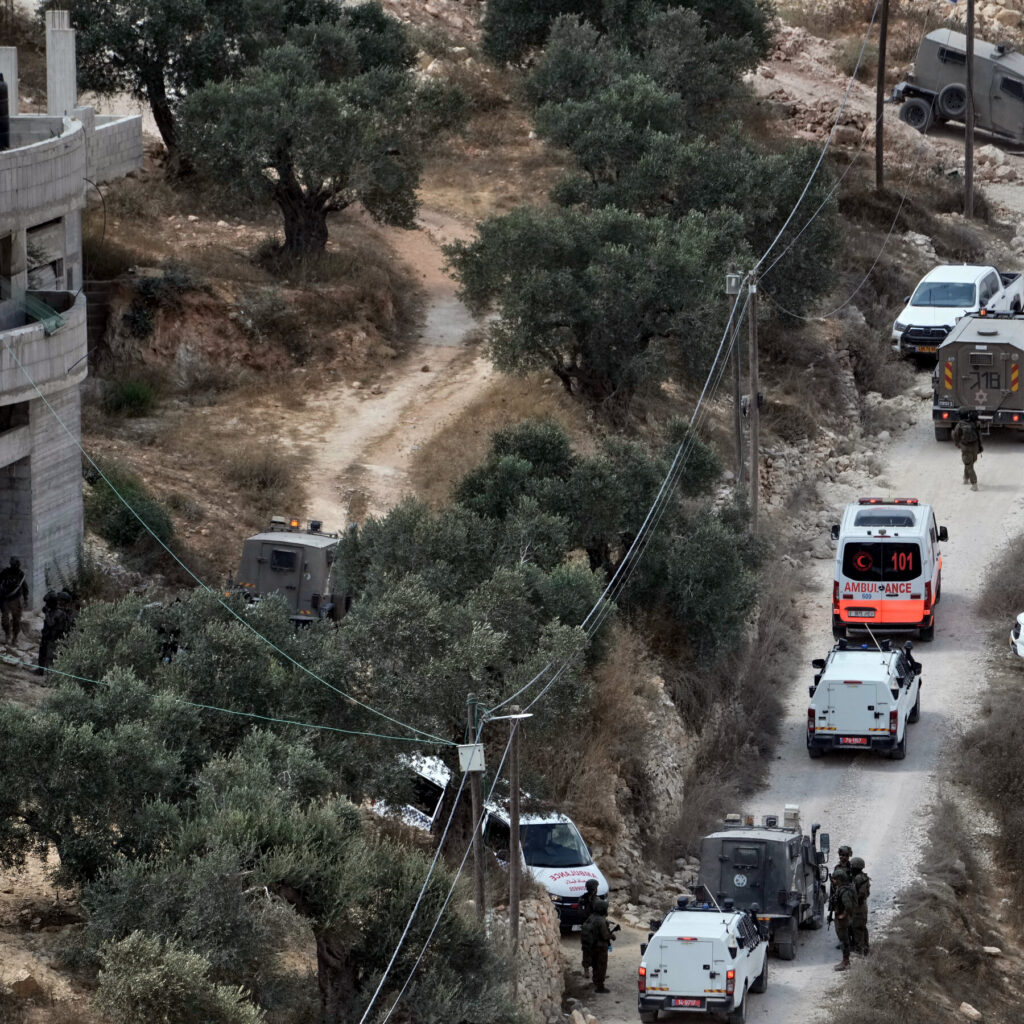
The West Bank has witnessed a sharp escalation in violence following a series of attacks by Israeli settlers on Palestinian communities. The intensity of these assaults, particularly those occurring on a recent Saturday, has sparked widespread condemnation from Israeli Prime Minister Benjamin Netanyahu and other officials. This development highlights the fragile security situation in the region and underscores the challenges facing efforts to maintain peace and stability. This article explores the details of the attacks, the official responses, and the potential consequences for the broader Israeli-Palestinian conflict.
On a recent Saturday, Israeli settlers launched a series of violent attacks against Palestinian residents in the West Bank. These assaults were marked by their intensity and coordination, resulting in injuries and significant property damage within Palestinian communities. Reports indicate that groups of settlers targeted multiple villages and homes, escalating fears of further violence and destabilization in the area.
The West Bank, a territory central to the Israeli-Palestinian conflict, has long been a flashpoint for clashes between settlers and Palestinians. Although settler violence is not a new phenomenon, recent months have seen a noticeable increase in both the frequency and severity of these attacks. This trend contributes to a deteriorating security environment, complicating daily life for Palestinians and heightening tensions across the region.
The scale and ferocity of the recent assaults have prompted urgent concern among local residents and human rights organizations. Witnesses described scenes of chaos as settlers reportedly used stones, clubs, and other weapons to inflict harm, while Palestinian families faced threats and intimidation. The damage to homes, vehicles, and agricultural lands has further compounded the hardships faced by affected communities.
Prime Minister Benjamin Netanyahu publicly condemned the attacks, signaling the Israeli government's disapproval of settler violence. His rebuke was particularly notable given the complex political dynamics surrounding settler communities, which often receive strong backing from right-wing factions within Israel. Netanyahu’s condemnation reflects an official stance against unauthorized violence that threatens regional stability.
Other Israeli officials also voiced their condemnation, emphasizing the importance of upholding law and order and protecting Palestinian civilians. These statements underscore the government's recognition of the gravity of the situation, even as it faces criticism for perceived leniency toward settler actions in the past.
The condemnations come amid increasing international scrutiny of Israeli policies in the West Bank. Many observers warn that unchecked settler violence could undermine prospects for peace, fuel further unrest, and damage Israel’s international standing. The official responses thus carry significance beyond domestic politics, affecting diplomatic relations and peace efforts.
Netanyahu’s statements were accompanied by calls for security forces to take decisive action to prevent future attacks and hold perpetrators accountable. However, critics argue that enforcement has historically been inconsistent, raising questions about the effectiveness of government measures to curb settler violence.
Israeli settlements in the West Bank are widely considered illegal under international law, a characterization Israel disputes. These settlements are often established on land claimed by Palestinians for a future state, making them a persistent source of tension and conflict.
Settler violence typically includes attacks on Palestinian property, physical assaults, and intimidation tactics aimed at displacing Palestinian residents. These actions exacerbate mistrust and hostility between communities, making peaceful coexistence increasingly difficult to achieve.
The recent surge in attacks must be understood within this broader context of territorial disputes, political fragmentation, and security challenges that define the West Bank. The cycle of violence perpetuates grievances on both sides, entrenching divisions and hampering efforts toward dialogue and reconciliation.
The presence of armed settler groups and the political influence they wield complicate efforts to address these issues. Settler communities often operate with a sense of impunity, emboldened by ideological motivations and perceived government support, which further fuels tensions.
The recent attacks and subsequent official condemnations highlight the fragile and complex nature of Israeli-Palestinian relations. While the Israeli government’s public denouncement of settler violence signals a commitment to law enforcement, it also exposes internal tensions regarding how to manage settler communities that hold significant political influence.
For Palestinians, these attacks reinforce perceptions of vulnerability and injustice, potentially hardening attitudes and diminishing trust in Israeli authorities. This dynamic risks fueling further radicalization and undermining moderate voices on both sides, complicating prospects for peaceful negotiations.
Internationally, the violence and political responses may influence diplomatic efforts aimed at reviving peace talks. The situation underscores the urgency of addressing settler-related issues as part of any comprehensive solution to the conflict, highlighting the interconnectedness of security, politics, and diplomacy in the region.
The escalation also raises concerns about the potential for broader outbreaks of violence, which could destabilize not only the West Bank but the wider region, affecting neighboring countries and international stakeholders invested in Middle East peace.
Efforts to curb settler violence face significant obstacles, including strong political support for settlements within Israel and the difficulty of enforcing law in contested areas. Security forces often struggle to balance protecting Palestinian residents with managing settler communities, some of which are armed and politically influential.
Legal and administrative measures have been proposed to hold perpetrators accountable and prevent future attacks, but their implementation remains inconsistent. Critics argue that without decisive and sustained action, settler violence will continue to destabilize the region and undermine peace efforts.
Moreover, addressing settler violence requires broader political will and engagement from both Israeli and Palestinian leadership, as well as support from the international community. Only through coordinated efforts can conditions conducive to peace be fostered, reducing violence and building trust between communities.
The complexity of the situation is further compounded by the overlapping jurisdictions and fragmented governance in the West Bank, which hinder effective law enforcement and conflict resolution.
The recent wave of violence perpetrated by Israeli settlers against Palestinians in the West Bank underscores the ongoing volatility of the region. While official condemnations from Israeli leadership demonstrate a recognition of the problem, the underlying issues driving settler violence persist. Effective solutions will demand sustained political commitment, robust law enforcement, and a renewed focus on dialogue to prevent further escalation. Without addressing these challenges, the cycle of violence threatens to derail peace prospects and deepen divisions in one of the world’s most enduring conflicts.
Originally reported by nytimes.com. Adapted for our readers with AI assistance.
Keep reading
Business News
The National Drug Law Enforcement Agency has arrested multiple suspects and seized significant drug consignments in recent operations across Nigeria.
Business
Nigerian shoppers are increasingly turning to AI assistants like ChatGPT, Claude and Gemini for product ...
Business
The global developer workforce has undergone a transformative expansion over the past five years, fundam...
TAMFIS NIG LTD
Electrical and instrumentation engineering, bid preparation and consulting, IT and software.