
Business
Beyond the Digital Shelf: How AI Agents Are Reshaping Product Discovery for Nigerian Consumers
Nigerian shoppers are increasingly turning to AI assistants like ChatGPT, Claude and Gemini for product ...
TAMFIS NIG LTDRC 8067447CAC ACTIVEFinima, Bonny Island, Rivers State

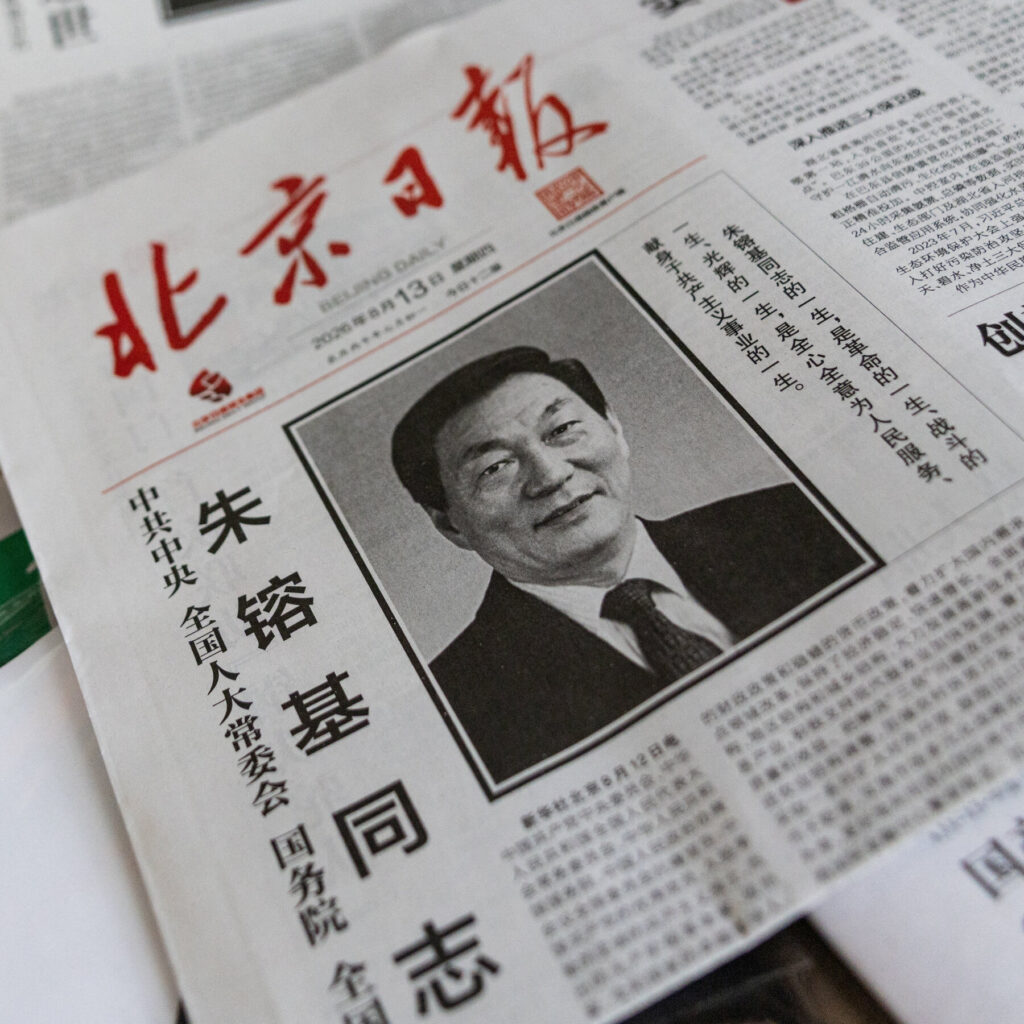
Zhu Rongji, who served as China’s premier from 1998 to 2003, remains a towering figure in the country’s modern history. Renowned for his straightforward manner and determined reforms, Zhu played a crucial role in transforming China’s economy and opening it up to the world during a pivotal time. As China navigates a different political and economic landscape under current leadership, reflections on Zhu’s tenure highlight the distinct approach he brought to governance and economic policy—one marked by pragmatism, openness, and a willingness to confront challenges head-on.
Zhu Rongji’s leadership style was marked by a rare frankness within China’s political system. Unlike many of his contemporaries, Zhu was known for speaking his mind openly, even when addressing complex or sensitive issues. This candid approach earned him respect among both colleagues and the public, as well as a reputation for being a problem-solver who confronted challenges directly rather than avoiding them.
His directness was not merely rhetorical; it was reflected in his governance. Zhu tackled entrenched bureaucratic inefficiencies and corruption with vigor, pushing for greater transparency and accountability at a time when such issues threatened to undermine China’s rapid economic growth. His efforts helped lay the groundwork for a more effective and responsive administration during a critical period of China’s modernization.
Zhu’s spirited style was also evident in his interactions with both domestic officials and international counterparts. He was known to challenge conventional thinking and bureaucratic inertia, often cutting through red tape to implement reforms swiftly. This approach contrasted with the more cautious and consensus-driven style typical of many Chinese leaders, making Zhu a distinctive figure in the political landscape.
One of Zhu’s most enduring legacies is his instrumental role in opening China’s economy to the world. During his premiership, China made decisive strides toward joining the global trading system, culminating in its accession to the World Trade Organization (WTO) in 2001. This milestone marked a turning point that accelerated China’s integration into global markets and significantly boosted foreign investment.
Zhu’s policies emphasized comprehensive market reforms and the modernization of state-owned enterprises, which were essential to meeting international trade standards. His administration worked diligently to reduce trade barriers, improve regulatory frameworks, and align China’s economic practices with global norms, facilitating smoother and more reliable interactions with international partners.
This period also saw the rapid expansion of China’s export-led growth model, driven by increased access to foreign markets and capital. Zhu’s economic vision helped position China as a key player in the global supply chain, setting the stage for the country’s rapid economic expansion in the decades that followed. His efforts not only enhanced China’s economic stature but also contributed to lifting hundreds of millions out of poverty by creating jobs and fostering industrial development.
Moreover, Zhu’s push for openness extended beyond trade. He recognized that integrating China into the global economy required reforms in financial systems, legal frameworks, and governance structures. This holistic approach helped build investor confidence and laid the foundation for sustained economic growth.
Tributes to Zhu Rongji often highlight a stark contrast between his era and the current political environment under President Xi Jinping. While Zhu’s leadership was characterized by openness, pragmatic reform, and a degree of decentralization, the Xi administration has been marked by a more centralized and controlled approach.
Under Xi, China has tightened its grip on political expression and increased state intervention in the economy. This shift has introduced a degree of rigidity that contrasts with Zhu’s relatively flexible and reform-oriented governance. The current era emphasizes ideological conformity and reinforced party control, which has affected both policy-making and China’s interactions on the global economic stage.
Observers note that Zhu’s willingness to engage candidly with both domestic and international audiences helped foster a more dynamic and responsive government during his time. His approach encouraged dialogue, experimentation with reforms, and openness to external ideas, which were crucial in navigating the complex challenges of integrating into the global economy.
In contrast, the Xi administration’s emphasis on control and stability has sometimes limited such openness, leading to a more cautious and inward-looking stance. This has implications for China’s economic policies and its role in global trade, as the country balances national priorities with international expectations.
Zhu Rongji’s tenure offers important lessons for China’s ongoing development. His focus on economic reform, transparency, and international engagement helped propel China onto the world stage and improve living standards at home. His pragmatic approach demonstrated that candid leadership and willingness to confront difficult issues are vital for sustainable progress.
As China faces new challenges—ranging from economic restructuring and technological innovation to geopolitical tensions— the principles embodied by Zhu’s leadership remain highly relevant. His example underscores the value of pragmatic governance, openness to global cooperation, and a readiness to address systemic problems directly.
While the political landscape has evolved, Zhu’s legacy continues to inspire those who advocate for reform and modernization within China. His premiership serves as a reminder that candid leadership and integration with the global economy can be powerful drivers of national progress, fostering resilience and adaptability in a rapidly changing world.
Looking ahead, Zhu’s approach offers a blueprint for balancing domestic priorities with international engagement. His tenure illustrates how embracing reform and openness can help China navigate complex global dynamics while advancing its own development goals.
Zhu Rongji’s premiership represents a defining chapter in China’s modern history. His straightforward approach and commitment to economic reform helped transform China into a global economic powerhouse. While the political environment has shifted since his time in office, the lessons from his leadership remain instructive. As China continues to navigate complex domestic and international challenges, Zhu’s legacy offers a valuable perspective on the importance of candid governance and global integration in fostering sustainable growth and development.
Originally reported by nytimes.com. Adapted for our readers with AI assistance.
Keep reading
Business
Nigerian shoppers are increasingly turning to AI assistants like ChatGPT, Claude and Gemini for product ...
Business
The global developer workforce has undergone a transformative expansion over the past five years, fundam...
Business
Neighborhood Intelligence, the entity formed from Bed Bath & Beyond Inc.'s restructuring, has r...
TAMFIS NIG LTD
Electrical and instrumentation engineering, bid preparation and consulting, IT and software.