News
RUSSIA versus NATO and BRICS vs. NATO Military SWOT
Recall that Poland’s Minister Sikorski’s core claim is partially supported by the numbers, but the framing “quite quickly” and “without the U.S.” does not…
TAMFIS NIG LTDRC 8067447CAC ACTIVEFinima, Bonny Island, Rivers State

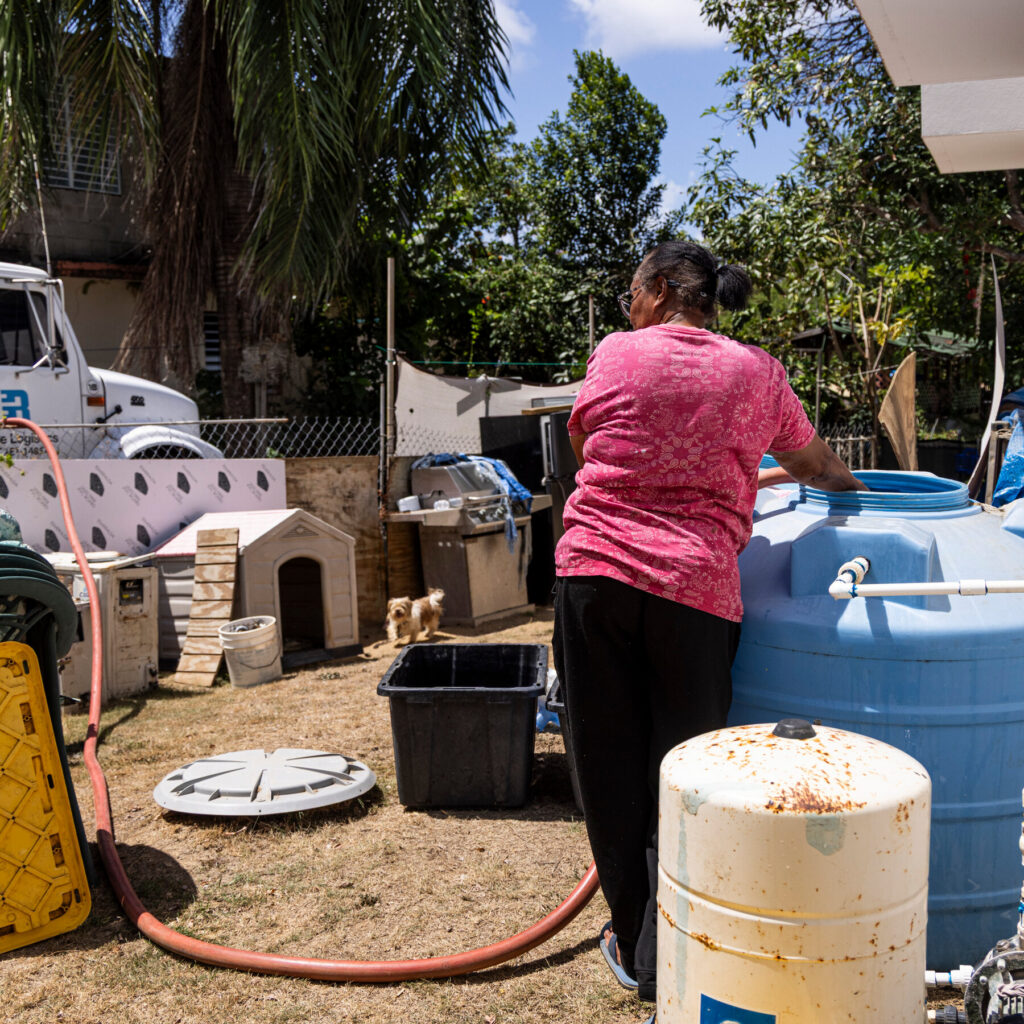
Puerto Rico is once again confronting a critical water shortage as a combination of extended drought conditions and aging water infrastructure disrupts supply across the island. This crisis compounds existing hardships faced by residents, including frequent power outages and unreliable public services, highlighting persistent governance and infrastructure challenges. Understanding the factors driving this emergency and its broader implications is essential for grasping the island’s ongoing struggle to provide reliable utilities to its population.
Puerto Rico’s current water crisis is the result of an intersection between environmental stressors and infrastructural decay. The island has been enduring an unusually severe and prolonged drought, which has drastically reduced water levels in reservoirs and natural sources that communities rely on for their daily needs. This environmental challenge is not new but has intensified in recent months, putting unprecedented pressure on the water supply.
Compounding the drought is Puerto Rico’s aging water infrastructure, which has suffered from decades of neglect, insufficient maintenance, and underinvestment. The water delivery system—including pipelines, treatment plants, and storage facilities—is outdated and vulnerable to frequent breakdowns and leaks. These infrastructural failures significantly reduce the efficiency of water distribution, causing losses that worsen the scarcity problem.
As a consequence, many residents face intermittent or complete lack of access to clean water. This disruption affects not only household consumption but also agricultural activities and industrial operations that depend on reliable water supplies. The combined effect of environmental and infrastructural factors has created a crisis that threatens both daily life and the island’s economic stability.
The unfolding water crisis has intensified scrutiny of Puerto Rico’s government, which has long struggled to provide consistent basic services. Residents, already accustomed to frequent power outages and service interruptions, have expressed growing frustration with the authorities’ inability to effectively manage the crisis or implement long-term solutions.
In response, government agencies have implemented emergency measures such as water rationing and expedited repairs to damaged pipelines. While these actions provide some immediate relief, they are widely viewed as stopgap measures that fail to address the underlying problems. The government’s limited capacity to secure adequate water resources or to undertake comprehensive infrastructure upgrades has deepened public distrust and highlighted systemic governance issues.
This crisis has also sparked broader debates about accountability and the urgent need for comprehensive reform in managing the island’s utilities. Critics argue that without significant investment, improved oversight, and transparent governance, similar emergencies will continue to occur, perpetuating hardship for residents and undermining confidence in public institutions.
The disaster has put yet another spotlight on the government’s inability to provide basic services, deepening frustration among residents already plagued by regular power outages. This ongoing pattern of service failures reveals systemic weaknesses in governance and infrastructure management that require urgent attention.
The water shortage has profound and tangible consequences for Puerto Rico’s population. Access to clean water is fundamental for drinking, cooking, sanitation, and personal hygiene. Interruptions in water supply complicate these basic activities, forcing residents to seek alternative sources such as bottled water or communal distribution points, and to ration their usage carefully.
Public health risks escalate during such shortages, as inadequate sanitation can lead to the spread of waterborne diseases and other health complications. Vulnerable groups—including children, the elderly, and those with preexisting medical conditions—are particularly susceptible to these risks. The lack of reliable water also hampers healthcare facilities in delivering essential services, further endangering community well-being.
Beyond health, the crisis disrupts economic activities. Businesses, schools, and agricultural operations face operational challenges due to unreliable water access, which impacts productivity and economic stability. The cumulative effect of these disruptions underscores the critical need for resilient water infrastructure to support both daily life and the island’s broader socioeconomic fabric.
Puerto Rico’s water crisis is symptomatic of deeper, long-standing structural challenges. Much of the island’s water infrastructure was constructed decades ago and is ill-equipped to meet current demands or withstand the impacts of climate change. Scientific projections indicate that droughts and extreme weather events may become more frequent and severe in the region, necessitating adaptive and sustainable water management strategies.
Addressing these challenges requires coordinated efforts involving government agencies, private sector partners, and community stakeholders. Key priorities include investing in the repair and modernization of pipelines and treatment facilities, expanding water storage capacity, and implementing conservation and efficiency measures to reduce waste and optimize usage.
Equally important is improving governance and accountability mechanisms to ensure that resources are allocated effectively and infrastructure projects are completed efficiently. Transparent communication with the public and inclusive planning processes can help rebuild trust and foster community support for necessary reforms. Only through such comprehensive and collaborative approaches can Puerto Rico build a resilient water system capable of withstanding future crises.
Puerto Rico’s renewed water crisis underscores the urgent need for comprehensive action to address both environmental challenges and longstanding infrastructure deficiencies. While drought conditions have triggered the immediate emergency, the root causes lie in decades of underinvestment and governance shortcomings. Moving forward, sustainable water management, infrastructure modernization, and transparent, accountable governance will be critical to ensuring reliable access to this essential resource. Without these changes, Puerto Rico risks recurring crises that threaten the well-being and stability of its communities.
Originally reported by nytimes.com. Adapted for our readers with AI assistance.
Keep reading
News
Recall that Poland’s Minister Sikorski’s core claim is partially supported by the numbers, but the framing “quite quickly” and “without the U.S.” does not…
News
By Engr. Tamunofiniarisa BrownReading Time: 6 Minutes The conflict between Russia and Ukraine is often framed in the media as a simple battle between…
World News
Following a tragic crash on the A66 near Middlesbrough that killed two police officers and five young men, Cleveland Police have arrested three more…
TAMFIS NIG LTD
Electrical and instrumentation engineering, bid preparation and consulting, IT and software.