Business News
NDLEA Intensifies Operations Against Narcotic Trade and Illegal Trafficking
The National Drug Law Enforcement Agency has arrested multiple suspects and seized significant drug consignments in recent operations across Nigeria.
TAMFIS NIG LTDRC 8067447CAC ACTIVEFinima, Bonny Island, Rivers State

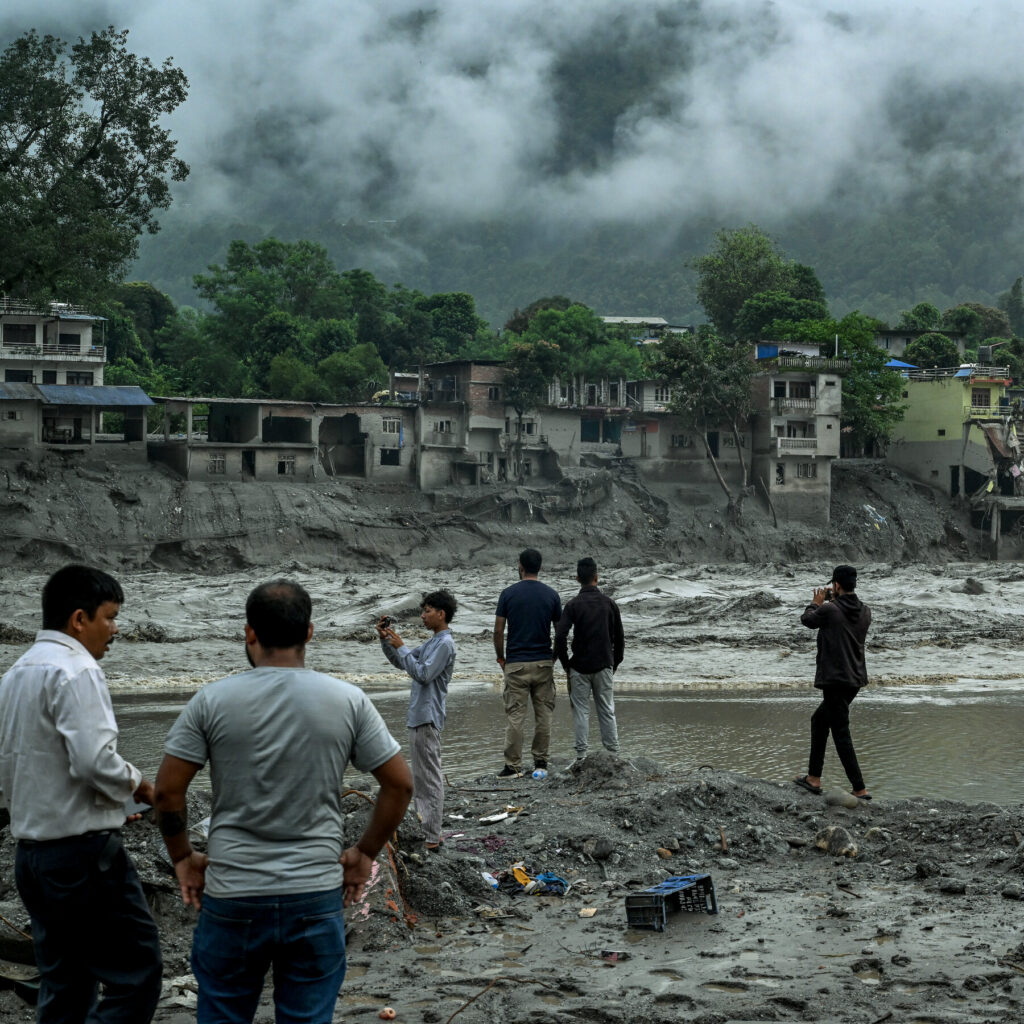
Nepal’s political landscape has recently witnessed a significant shift with the rise of Balendra Shah, a 36-year-old leader who embodies the aspirations and frustrations of the nation’s younger generation. Elected earlier this year amid widespread discontent over corruption and ineffective governance, Shah’s government now faces an immediate and severe test: responding to catastrophic floods that have inflicted extensive damage across the country. This article explores the challenges confronting Nepal’s young prime minister, the complexities of flood recovery, and the broader implications for governance and development in Nepal.
Balendra Shah’s ascent to Nepal’s premiership marks a significant departure from the traditional political figures who have long dominated the country’s governance. At 36, he is among the youngest leaders in Nepal’s history, symbolizing a generational shift driven by widespread dissatisfaction with entrenched corruption and administrative inefficiency. His campaign resonated strongly with Nepal’s youth, who have grown increasingly impatient with the status quo and eager for transparent, accountable leadership.
Shah’s background and approach have been characterized by a promise to tackle graft head-on and implement reforms that improve public services and infrastructure. His election was widely seen as a hopeful sign that Nepal’s political system might evolve to better meet the needs of its citizens, particularly the younger demographic that constitutes a significant portion of the population. This youthful leadership brings fresh perspectives and a sense of urgency to address long-standing governance issues.
Shortly after Shah took office, Nepal was struck by severe flooding that devastated large parts of the country. Triggered by unusually heavy monsoon rains, the floods were further exacerbated by environmental factors such as deforestation and inadequate infrastructure, which intensified the destruction. Entire communities were submerged, homes destroyed, and critical transportation routes rendered impassable, effectively isolating many areas from immediate aid and assistance.
The human toll has been significant, with numerous casualties and thousands displaced from their homes. Beyond the immediate humanitarian crisis, the floods have severely disrupted agriculture, which forms the backbone of Nepal’s economy and sustains the livelihoods of a large portion of the population. This disruption threatens food security and economic stability in affected regions. Additionally, the extensive damage to infrastructure has complicated efforts to deliver relief and initiate reconstruction, creating a complex emergency that demands swift and coordinated government action.
Prime Minister Shah’s government is under intense pressure to mount an effective flood response while managing limited resources and overcoming bureaucratic hurdles. The scale of destruction requires mobilizing emergency services, coordinating with international aid organizations, and ensuring that relief reaches the most vulnerable populations promptly and efficiently.
However, Nepal’s history of political instability and governance challenges complicates these efforts. The government must navigate entrenched corruption, logistical difficulties posed by Nepal’s mountainous terrain, and the critical need for transparent allocation of funds to maintain public confidence. Balancing immediate relief efforts with the development of long-term recovery plans will be a delicate task, requiring strong leadership, efficient administration, and clear communication.
Moreover, the government faces the challenge of addressing public skepticism. Many citizens remain wary of political promises due to past failures in governance and disaster response. Shah’s administration will need to demonstrate tangible progress quickly to maintain public trust, especially among the youth who were instrumental in his rise to power. Failure to do so risks eroding the political capital that his government currently holds.
Despite the daunting obstacles, the flood crisis presents a critical opportunity for Nepal to strengthen its disaster preparedness and governance frameworks. Shah’s government can leverage this moment to implement reforms that enhance transparency, improve infrastructure resilience, and foster community engagement in recovery efforts.
Investing in sustainable development practices, such as reforestation and improved water management systems, could significantly mitigate future flood risks. These environmental measures would not only protect vulnerable communities but also contribute to long-term ecological balance. Additionally, modernizing administrative processes and embracing technology for disaster response can improve efficiency, accountability, and real-time coordination during emergencies.
The support of the international community will be crucial, both in terms of immediate humanitarian aid and in capacity-building initiatives. Effective collaboration with foreign governments, international organizations, and NGOs can provide Nepal with the expertise, funding, and resources necessary to rebuild stronger and more resilient communities. Such partnerships can also help institutionalize best practices in disaster management and governance reforms.
The success or failure of Prime Minister Shah’s flood recovery efforts will have far-reaching implications beyond immediate disaster relief. It will serve as a critical test of the viability of a new political generation and their ability to govern effectively in crisis situations.
If Shah’s administration can navigate this challenge successfully, it may pave the way for a more accountable and responsive government, inspiring greater political engagement among Nepal’s youth and fostering renewed hope in the country’s democratic institutions. Conversely, an inadequate response risks deepening public disillusionment, exacerbating political instability, and undermining the momentum for reform.
Ultimately, the flood recovery process could serve as a litmus test for Nepal’s democratic evolution and its capacity to address complex socio-economic challenges in an increasingly volatile climate context. How the government manages this crisis will influence Nepal’s trajectory toward sustainable development and political stability for years to come.
Nepal’s young prime minister, Balendra Shah, stands at a critical crossroads. His government’s response to the devastating floods will not only determine the immediate fate of affected communities but also shape the country’s political trajectory. While the challenges are formidable, the situation also presents a unique chance to build a more resilient, transparent, and responsive Nepal. Success will depend on strong leadership, effective coordination, and sustained commitment to reform. For Nepal’s youth and the nation as a whole, the coming months will be a defining period in their pursuit of progress and stability.
Originally reported by nytimes.com. Adapted for our readers with AI assistance.
Keep reading
Business News
The National Drug Law Enforcement Agency has arrested multiple suspects and seized significant drug consignments in recent operations across Nigeria.
Business
Nigerian shoppers are increasingly turning to AI assistants like ChatGPT, Claude and Gemini for product ...
Business
The global developer workforce has undergone a transformative expansion over the past five years, fundam...
TAMFIS NIG LTD
Electrical and instrumentation engineering, bid preparation and consulting, IT and software.