Business
Beyond the Digital Shelf: How AI Agents Are Reshaping Product Discovery for Nigerian Consumers
Nigerian shoppers are increasingly turning to AI assistants like ChatGPT, Claude and Gemini for product ...
TAMFIS NIG LTDRC 8067447CAC ACTIVEFinima, Bonny Island, Rivers State

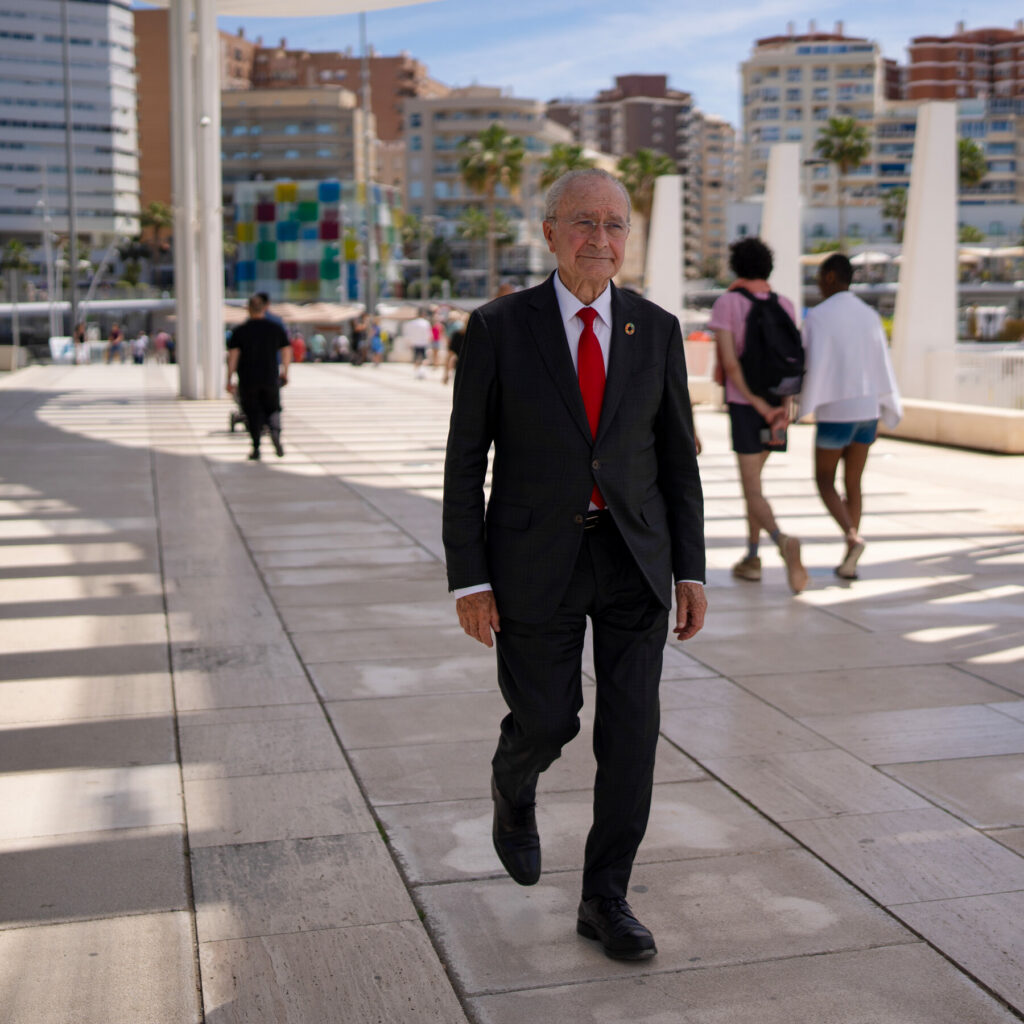
Over the past two decades, Málaga has experienced a striking transformation. Once a declining port city on Spain’s southern coast, it has become a dynamic hub for culture, technology, and tourism. This change is largely attributed to Mayor Francisco de la Torre, who has led the city since 2000. While many applaud his vision and initiatives for revitalizing Málaga, critics argue that rapid modernization has eroded the city’s traditional soul and identity. This article examines the multifaceted impact of de la Torre’s tenure, highlighting both the achievements and the controversies surrounding Málaga’s urban regeneration.
When Francisco de la Torre took office in 2000, Málaga faced economic decline, relying heavily on a port and industries losing ground amid global competition. The city’s infrastructure was neglected, cultural offerings were limited, and economic opportunities lacked diversity, restricting Málaga’s appeal beyond its region.
De la Torre launched an ambitious plan to reinvent Málaga as a cultural and technological beacon. Central to this was promoting arts and culture as engines for economic growth and urban renewal. The city invested in museums, galleries, and festivals, attracting tourists and creative professionals. Key projects included revitalizing the historic center—enhancing public spaces while preserving architectural heritage—and opening the Centre Pompidou Málaga, a satellite of the Paris museum, which brought international art to local audiences.
At the same time, Málaga positioned itself as a technology hub, developing tech parks like the Andalusia Technology Park and incentivizing startups, especially in digital and software sectors. This dual focus diversified the economy, lessening dependence on traditional industries and raising Málaga’s international profile. These efforts attracted entrepreneurs and professionals, fostering a vibrant, forward-looking urban environment.
De la Torre’s urban regeneration initiatives have produced clear economic benefits. Málaga’s unemployment rate has steadily declined, reflecting job growth in cultural institutions, tourism, and technology. The city has drawn significant foreign investment in infrastructure and business development. Tourism has surged, boosting local businesses and prompting improvements in transport and hospitality.
Beyond economics, the cultural revival has enhanced residents’ quality of life. New public spaces, pedestrian zones, and better transport have made the city more accessible and enjoyable. A thriving arts scene—including festivals, exhibitions, and performances—has enriched community life and fostered social cohesion. Málaga’s reputation as an innovation center has created new opportunities, especially for young professionals in emerging industries.
These developments have renewed civic pride among many residents, who see Málaga as a city on the rise. Supporters argue that the transformation has preserved the city’s heritage by blending history with contemporary needs and global trends, demonstrating how strategic urban planning can revitalize a city without losing its roots.
Despite these successes, critics argue Málaga’s rapid transformation has compromised its traditional character and identity. Longtime residents worry the city’s soul—the unique cultural identity shaped over generations—is being overshadowed by commercialization and gentrification. They contend that prioritizing tourists and tech companies favors economic growth over community well-being.
A key concern is rising property prices and living costs, attributed to the influx of visitors and new residents attracted by Málaga’s appeal. This has displaced lower-income families and altered neighborhood dynamics, especially in historically working-class areas. The social fabric has shifted, creating tensions between preserving local customs and catering to global trends and external interests.
Cultural purists also warn that focusing on high-profile museums and international events risks sidelining grassroots artistic expression and local traditions. They fear Málaga could become a sanitized showcase primarily for tourists, rather than a living community with diverse cultural voices. This critique highlights the challenge of balancing modernization with authentic cultural preservation.
These debates illustrate the complexities of urban regeneration, raising questions about who benefits from development and at what cost. They emphasize the need for careful management to avoid eroding the qualities that make a city unique.
Málaga’s experience offers insights into the challenges cities face when modernizing while preserving heritage. De la Torre’s leadership shows that investing strategically in culture and technology can drive economic revitalization and improve urban life, creating an attractive environment for residents and visitors.
However, social tensions reveal the importance of inclusive planning that addresses all residents’ needs. Ensuring affordable housing, supporting local artists, and fostering community engagement are vital to preserving identity amid rapid change. Without these measures, regeneration risks deepening inequalities and alienating long-standing communities.
Málaga also illustrates the role of leadership in shaping urban futures. De la Torre’s long tenure has provided continuity and vision, enabling sustained progress. Yet, concentrated decision-making calls for transparent governance and diverse stakeholder input to balance interests and mitigate negative effects.
For other cities pursuing similar transformations, Málaga offers both inspiration and caution. Sustainable urban regeneration requires a holistic approach valuing economic growth, cultural vitality, and social equity equally. Ongoing dialogue between policymakers, residents, and cultural actors is essential to ensure development enriches rather than diminishes the urban fabric.
Málaga’s transformation over the past two decades exemplifies the power of visionary urban leadership combined with strategic cultural and technological investment. Mayor Francisco de la Torre’s initiatives have revitalized the city’s economy and global standing, creating new opportunities and enhancing urban life. Yet, debates about authenticity and social impact remind us that regeneration brings challenges. Preserving a city’s soul while embracing progress demands inclusive approaches that honor both heritage and innovation. As Málaga continues to evolve, its story offers valuable lessons for cities worldwide striving to balance growth with identity.
Originally reported by nytimes.com. Adapted for our readers with AI assistance.
Keep reading
Business
Nigerian shoppers are increasingly turning to AI assistants like ChatGPT, Claude and Gemini for product ...
Business
The global developer workforce has undergone a transformative expansion over the past five years, fundam...
Business
Neighborhood Intelligence, the entity formed from Bed Bath & Beyond Inc.'s restructuring, has r...
TAMFIS NIG LTD
Electrical and instrumentation engineering, bid preparation and consulting, IT and software.