
News
RUSSIA versus NATO and BRICS vs. NATO Military SWOT
Recall that Poland’s Minister Sikorski’s core claim is partially supported by the numbers, but the framing “quite quickly” and “without the U.S.” does not…
TAMFIS NIG LTDRC 8067447CAC ACTIVEFinima, Bonny Island, Rivers State

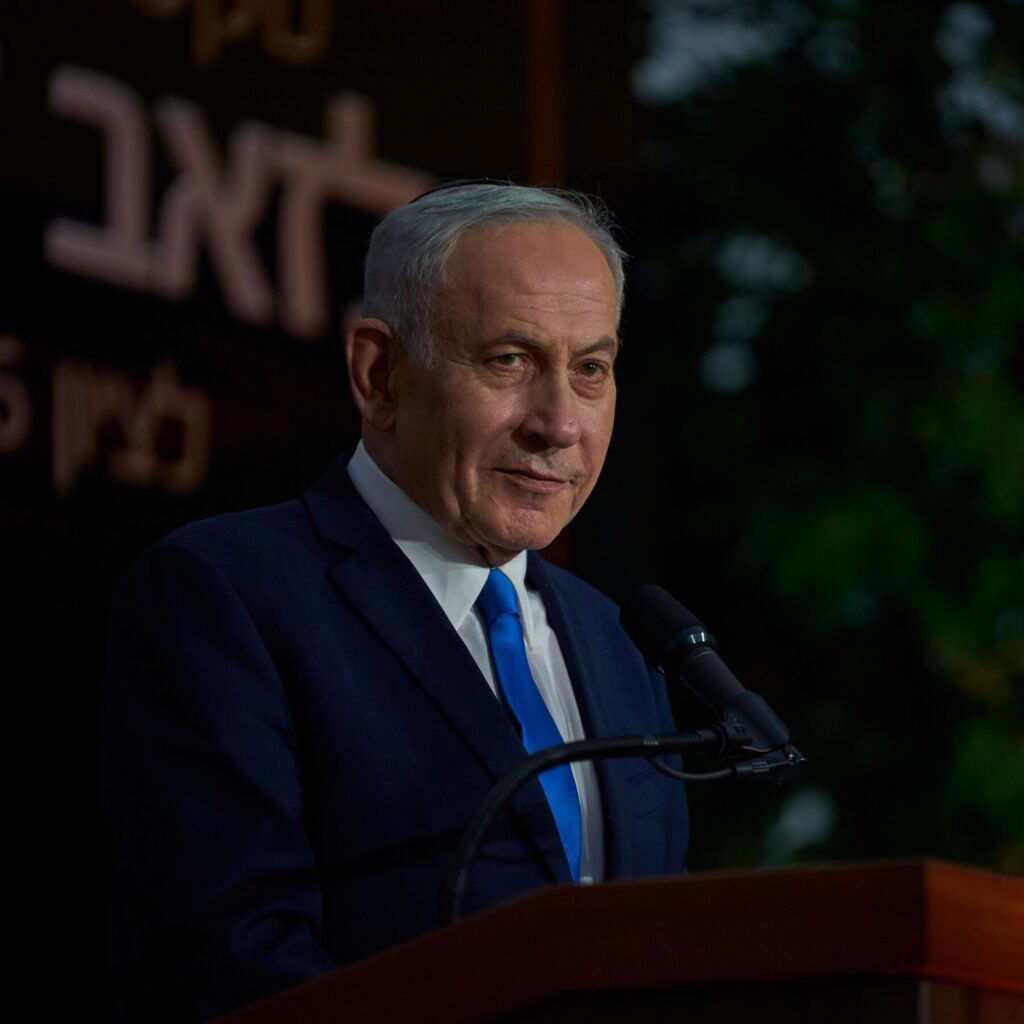
In a significant development in Middle East diplomacy, Israel has rejected a 15-point peace plan proposed by President Trump’s Board of Peace. The plan, unveiled last month, sought a comprehensive resolution to the ongoing conflict by demanding Hamas relinquish its weapons in return for an Israeli military withdrawal from the Gaza Strip. Israel’s refusal to accept the proposal underscores the persistent challenges in negotiating peace between Israel and Hamas, reflecting deep-seated mistrust and differing strategic priorities.
The peace initiative introduced by President Trump’s Board of Peace was designed to address the long-standing conflict between Israel and Hamas, the Islamist militant group governing Gaza. The core of the proposal was a mutual disarmament and withdrawal agreement: Hamas would surrender its arsenal, effectively ending its military threat, while Israel would reciprocate by withdrawing its forces from Gaza, potentially easing the blockade and reducing hostilities.
The plan was positioned as a bold step toward ending decades of violence and instability in the region. It aimed to create conditions conducive to lasting peace by addressing security concerns and territorial disputes simultaneously. However, the proposal’s feasibility hinged on both parties’ willingness to compromise on deeply entrenched positions.
Israel’s government, led by Prime Minister Benjamin Netanyahu, publicly rejected the 15-point plan shortly after its announcement. Israeli officials expressed concerns that the plan did not adequately guarantee Israel’s security or address Hamas’s history of hostility and terrorism. The Israeli leadership viewed the disarmament demand as unrealistic, given Hamas’s ideological commitment to armed resistance and its control over Gaza’s military infrastructure.
Moreover, Israel was wary of the potential consequences of a full military withdrawal. Past withdrawals from Gaza have been followed by increased rocket attacks and militant activity, fueling skepticism about the plan’s ability to ensure long-term peace. Israeli officials emphasized the need for enforceable security arrangements and mechanisms to prevent Hamas from rearming if any withdrawal were to occur.
While Israel has rejected the plan, Hamas’s response has been more cautious and less publicized. Historically, Hamas has resisted disarmament proposals, viewing its weapons as essential to its political leverage and defense against Israeli military operations. The group’s leadership has often framed its armed resistance as a legitimate struggle for Palestinian rights and sovereignty.
Given this context, Hamas is unlikely to accept a plan that demands complete disarmament without significant political concessions or guarantees. The group’s stance complicates any efforts to implement the proposed agreement and raises questions about the viability of peace plans that rely heavily on unilateral disarmament.
The rejection of the 15-point plan highlights the broader challenges in resolving the Israeli-Palestinian conflict, especially with Hamas as a key player. Mutual distrust, divergent political goals, and the absence of direct communication channels have historically hindered negotiations.
Security concerns dominate Israel’s approach, with a focus on preventing attacks and safeguarding its citizens. Conversely, Hamas prioritizes resistance and political recognition, often rejecting terms perceived as capitulation. These conflicting priorities create a stalemate that is difficult to overcome without external mediation and confidence-building measures.
Additionally, regional dynamics and international interests further complicate the peace process. Various actors have competing agendas, and shifting alliances can influence the willingness of parties to engage in meaningful dialogue.
Israel’s rejection of the peace plan may lead to a continuation of the status quo, characterized by intermittent violence and political deadlock. Without a viable framework for disarmament and withdrawal, the risk of escalations remains high, potentially affecting civilian populations on both sides.
The failure to advance the plan also signals the limitations of externally imposed solutions that do not fully account for the complexities on the ground. It underscores the necessity for inclusive negotiations that address security, political, and humanitarian concerns comprehensively.
Furthermore, the situation in Gaza remains a humanitarian concern, with blockades and military operations impacting the daily lives of residents. Any peace initiative must consider these humanitarian dimensions to foster sustainable stability.
The rejection of the 15-point plan does not preclude future diplomatic efforts but suggests that any successful peace process will require greater flexibility and mutual trust. Confidence-building steps, such as ceasefires, prisoner exchanges, and economic cooperation, could pave the way for more substantive negotiations.
International actors may need to play a more active role in facilitating dialogue and ensuring compliance with agreements. However, the primary responsibility rests with Israeli and Palestinian leaders to engage constructively and prioritize peace over entrenched hostilities.
Ultimately, achieving lasting peace in the region will depend on addressing the root causes of conflict, including territorial disputes, political recognition, and security guarantees. While the road ahead is challenging, continued dialogue and pragmatic approaches remain essential.
The rejection of President Trump’s 15-point plan by Israel marks a pivotal moment in the ongoing Israeli-Hamas conflict. It reflects the deep complexities and entrenched positions that have long impeded peace efforts. While the plan aimed to offer a pathway to disarmament and withdrawal, its failure underscores the need for more nuanced and inclusive approaches that consider the security imperatives and political realities of all parties involved. Moving forward, sustained dialogue, mutual trust, and pragmatic diplomacy will be crucial to breaking the deadlock and fostering a durable peace in the region.
Originally reported by nytimes.com. Adapted for our readers with AI assistance.
Keep reading
News
Recall that Poland’s Minister Sikorski’s core claim is partially supported by the numbers, but the framing “quite quickly” and “without the U.S.” does not…
News
By Engr. Tamunofiniarisa BrownReading Time: 6 Minutes The conflict between Russia and Ukraine is often framed in the media as a simple battle between…
World News
Following a tragic crash on the A66 near Middlesbrough that killed two police officers and five young men, Cleveland Police have arrested three more…
TAMFIS NIG LTD
Electrical and instrumentation engineering, bid preparation and consulting, IT and software.