News
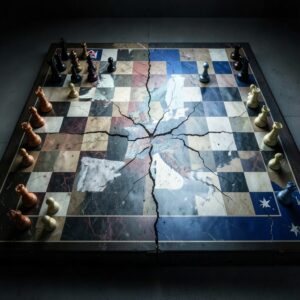
RUSSIA versus NATO and BRICS vs. NATO Military SWOT
Recall that Poland’s Minister Sikorski’s core claim is partially supported by the numbers, but the framing “quite quickly” and “without the U.S.” does not…
TAMFIS NIG LTDRC 8067447CAC ACTIVEFinima, Bonny Island, Rivers State

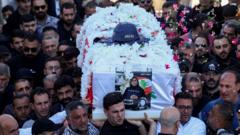
The killing of a Lebanese journalist amid escalating tensions between Israel and Lebanon has drawn sharp condemnation from human rights groups worldwide. Accusing the Israeli military of war crimes, these organizations highlight the dangers faced by journalists operating in conflict zones and call for accountability. This article delves into the circumstances surrounding the journalist’s death, the legal and ethical frameworks governing armed conflict, and the broader ramifications for media freedom and international justice.
The killing occurred during an intensified exchange of hostilities between Israeli forces and Lebanese factions, a conflict marked by complex geopolitical tensions and longstanding animosities. The Lebanese journalist was reportedly covering frontline developments when the fatal incident took place. Understanding the volatile environment is essential to grasp why media personnel remain vulnerable in these zones.
Reports indicate that the journalist was operating within a designated press area, clearly identifiable as a member of the media. Despite this, the Israeli military’s actions resulted in his death, sparking outrage and demands for a thorough investigation. The incident underscores the perils faced by journalists in war zones, where distinguishing combatants from civilians is often challenging but crucial.
This event is not isolated; it occurs against a backdrop of repeated confrontations where civilian casualties, including media workers, have been reported. The broader conflict dynamics contribute to an environment where international humanitarian law is frequently tested, raising urgent questions about compliance and enforcement.
Several prominent human rights organizations have publicly accused the Israeli military of committing a war crime by targeting or recklessly endangering a journalist. These accusations are grounded in international humanitarian law, particularly the Geneva Conventions, which protect civilians and non-combatants, including journalists, during armed conflict.
The groups argue that the Israeli military failed to take necessary precautions to avoid civilian harm and did not adequately distinguish between combatants and non-combatants. This breach, they contend, constitutes a violation of the principles of distinction and proportionality under international law, potentially amounting to a war crime.
Legal experts emphasize that journalists have a special protection status in conflict zones, as their work is vital for transparency and accountability. Targeting journalists or failing to safeguard their safety undermines freedom of the press and violates both international legal standards and ethical norms.
The Israeli military has issued statements asserting that their operations targeted militant positions and that civilian casualties, including the journalist’s death, were unintended consequences of legitimate military action. They emphasize efforts to minimize civilian harm, citing the complexity of urban warfare and the presence of armed groups within civilian areas.
Conversely, eyewitness accounts and investigations by independent media suggest the journalist was clearly marked and located away from armed combatants when struck. Such accounts challenge the military’s narrative and fuel calls for an impartial, transparent inquiry into the incident.
The conflicting narratives highlight the difficulties in establishing facts amid active conflict zones, where propaganda, misinformation, and restricted access complicate verification. Nonetheless, the fundamental question remains whether the Israeli military adhered to international legal obligations to protect civilians and journalists.
The killing has provoked international condemnation from governments, media organizations, and human rights advocates. Calls for independent investigations have been voiced by the United Nations, the International Federation of Journalists, and other global bodies committed to press freedom and human rights.
The UN Special Rapporteur on the promotion and protection of the right to freedom of opinion and expression urged all parties to respect journalists’ safety and to conduct prompt, impartial investigations into attacks on media workers. This incident adds to growing concerns about the erosion of protections for journalists worldwide.
Accountability measures are deemed essential not only to deliver justice for the victim but also to deter future violations. Human rights groups emphasize that impunity for such actions emboldens militaries and armed groups to disregard international law, perpetuating cycles of violence and repression.
The targeting and killing of journalists have a chilling effect on press freedom, particularly in conflict zones where information is critical for global awareness and humanitarian response. Journalists face heightened risks of injury, detention, or death, which can lead to self-censorship or withdrawal from frontline reporting.
Such incidents undermine the media’s role as watchdogs and truth-tellers, diminishing the public’s ability to receive accurate, timely information about humanitarian crises and military conduct. This erosion of press freedom weakens democratic accountability and obstructs efforts to uphold human rights.
Moreover, the psychological impact on journalists and their families is profound, contributing to a climate of fear and uncertainty. International organizations continue to advocate for stronger protections and safety protocols to support journalists operating in hazardous environments.
Investigating alleged war crimes in active conflict zones presents significant obstacles, including restricted access, security risks, and political interference. Independent investigators often face delays or denial of entry, complicating evidence collection and witness testimony.
The complex legal standards governing war crimes require meticulous documentation of intent, context, and circumstances, which can be difficult to establish amid ongoing hostilities. This complexity often results in protracted investigations and limited accountability.
Despite these challenges, international mechanisms such as the International Criminal Court and UN fact-finding missions play crucial roles in pursuing justice. Advocacy by human rights groups remains vital in maintaining pressure on states and militaries to cooperate with investigations and uphold legal responsibilities.
The killing of the Lebanese journalist and subsequent war crime allegations have intensified regional tensions, further complicating peace efforts between Israel and Lebanon. These developments risk escalating hostilities and undermining diplomatic initiatives aimed at conflict resolution.
On the international stage, the incident has sparked debates about the efficacy of existing protections for journalists and the enforcement of international humanitarian law. It highlights the urgent need for reforms to enhance accountability and safeguard vulnerable populations during armed conflicts.
Looking forward, sustained advocacy and international cooperation are essential to prevent similar tragedies. Strengthening legal frameworks, improving military training on the laws of armed conflict, and enhancing support for journalists are critical steps toward a safer and more just environment.
The killing of the Lebanese journalist and the subsequent war crime accusations against the Israeli military spotlight the perilous conditions under which journalists operate in conflict zones. This tragedy serves as a stark reminder of the importance of upholding international humanitarian law and protecting press freedom. Ensuring accountability through impartial investigations and reinforcing legal safeguards are vital to prevent future violations. As the international community grapples with these challenges, continued vigilance and advocacy remain essential to promote justice, transparency, and the protection of human rights in armed conflicts.
Originally reported by bbc.co.uk. Adapted for our readers with AI assistance.
Keep reading
News
Recall that Poland’s Minister Sikorski’s core claim is partially supported by the numbers, but the framing “quite quickly” and “without the U.S.” does not…
News
By Engr. Tamunofiniarisa BrownReading Time: 6 Minutes The conflict between Russia and Ukraine is often framed in the media as a simple battle between…
World News
Following a tragic crash on the A66 near Middlesbrough that killed two police officers and five young men, Cleveland Police have arrested three more…
TAMFIS NIG LTD
Electrical and instrumentation engineering, bid preparation and consulting, IT and software.