
News
Beyond the Rhetoric: A Neutral Analysis of the Russia-Ukraine Conflict
By Engr. Tamunofiniarisa BrownReading Time: 6 Minutes The conflict between Russia and Ukraine is often framed in the media as a simple battle between…
TAMFIS NIG LTDRC 8067447CAC ACTIVEFinima, Bonny Island, Rivers State

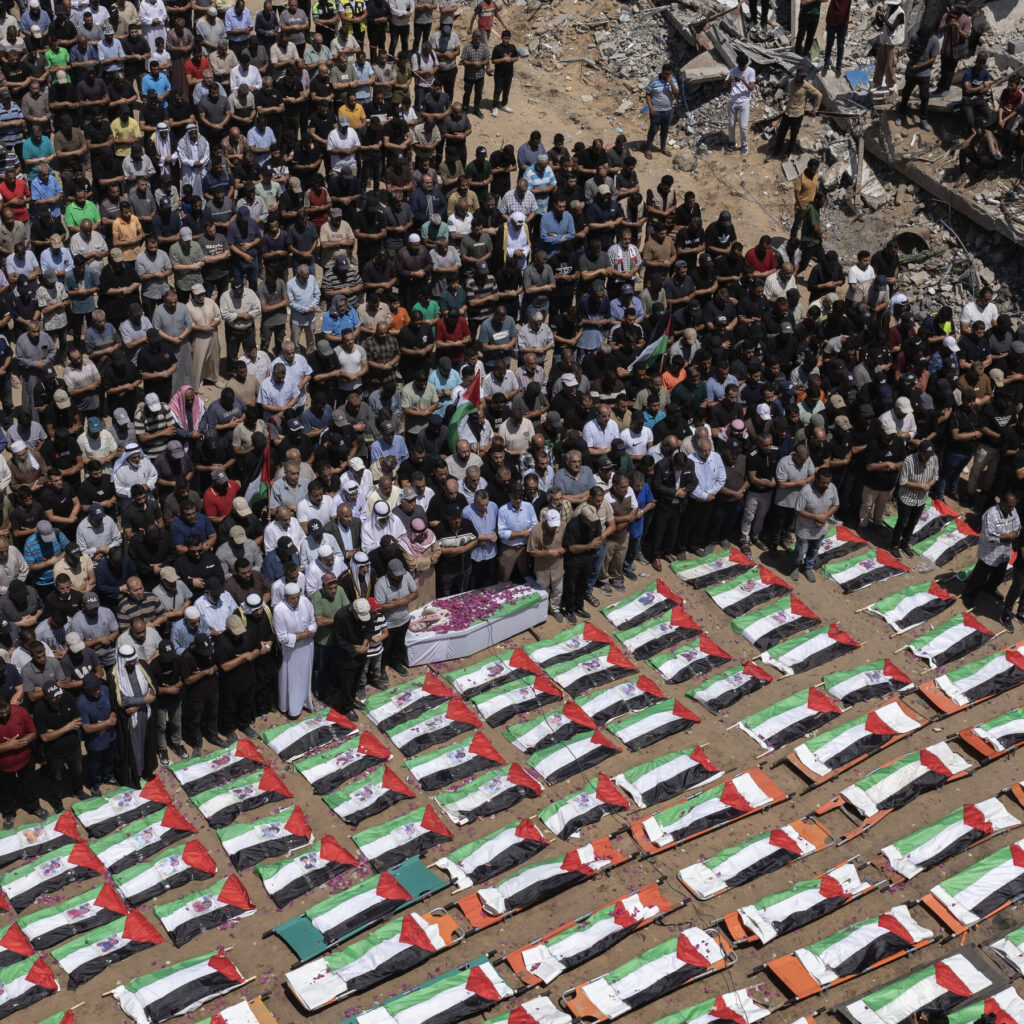
In a bid to resolve the longstanding conflict between Israel and the Palestinians in Gaza, President Trump unveiled a peace proposal focused on disarming Hamas and facilitating an Israeli withdrawal from the territory. However, recent escalations in Israeli military operations within Gaza threaten to complicate this vision. This article examines the dynamics of the current situation, the implications for the peace plan, and the broader prospects for stability in the region.
President Trump’s peace plan represents a significant diplomatic effort aimed at ending the cycle of violence in Gaza. Central to the proposal is the disarmament of Hamas, the Islamist group that controls the Gaza Strip and is considered a terrorist organization by Israel and much of the international community. The plan also calls for an Israeli military withdrawal from Gaza, envisioning a transition to a more peaceful and autonomous governance structure.
The proposal has been met with mixed reactions. Supporters argue that disarming Hamas is essential for long-term peace and security, as the group’s armed capabilities have been a major source of conflict and instability. Critics, however, question the feasibility of enforcing disarmament given Hamas’s entrenched military presence and the political complexities within Gaza. They also raise concerns about whether Palestinian factions are prepared to accept such terms without broader political concessions. The plan’s success hinges on cooperation from both sides, as well as broader regional and international support to create conditions conducive to lasting peace.
Following the announcement of the peace proposal, Israel has intensified its military operations in Gaza. These strikes primarily target Hamas infrastructure, including weapon storage sites, tunnels, and militant positions, aiming to degrade the group’s operational capabilities. This escalation reflects Israel’s determination to pressure Hamas into compliance with the terms of the peace plan, particularly regarding disarmament.
However, the increased military action carries significant risks. It may provoke further violence and lead to civilian casualties, which could erode public support for the peace process on both sides. The strikes also exacerbate humanitarian concerns in Gaza, where residents already endure hardships due to longstanding blockades, limited access to resources, and the aftermath of previous conflicts. The heightened military activity threatens to deepen the humanitarian crisis and complicate efforts to foster dialogue.
The intensification of Israeli strikes presents a complex challenge to the peace plan’s prospects. On one hand, sustained military pressure might compel Hamas to reconsider its stance and engage more constructively in negotiations. On the other hand, the violence risks entrenching hostility, hardening positions, and further eroding trust between the parties.
Disarmament of Hamas is particularly contentious. The group’s military wing is deeply embedded in Gaza’s social and political fabric, and many Palestinians view Hamas as a legitimate resistance movement against Israeli occupation. Efforts to forcibly disarm the group without addressing underlying political and social grievances risk sparking further unrest and destabilizing the region.
Moreover, the proposed Israeli withdrawal from Gaza requires a stable security environment to be viable. Escalating conflict undermines this stability, making withdrawal riskier and less feasible from Israel’s perspective. The ongoing cycle of attack and retaliation could delay or derail the implementation of the peace plan, prolonging the conflict and diminishing hopes for a peaceful resolution.
The Gaza conflict is deeply intertwined with regional dynamics. Key actors such as Egypt and Qatar have historically played influential roles in mediating ceasefires and facilitating dialogue between Israel and Palestinian factions. Other Middle Eastern countries also contribute to shaping the political landscape surrounding Gaza.
International stakeholders—including the United States, the United Nations, and the European Union—provide critical diplomatic and humanitarian support. Their involvement is essential for monitoring ceasefires, facilitating negotiations, and delivering aid to civilians affected by the conflict.
The recent escalation in violence may complicate these diplomatic efforts by heightening tensions and shrinking the space for constructive dialogue. It raises important questions about the international community’s capacity to enforce peace agreements and to coordinate humanitarian assistance effectively.
Sustained violence in Gaza has the potential to destabilize neighboring countries and impact broader geopolitical alliances in the Middle East. Therefore, the success of any peace initiative depends not only on Israeli and Palestinian actions but also on coordinated regional and global engagement to address security, political, and humanitarian challenges.
The intensification of Israeli strikes has immediate and severe humanitarian consequences for Gaza’s civilian population. Increased military activity raises the risk of injury, displacement, and loss of access to essential services such as healthcare, clean water, and electricity.
Humanitarian organizations have repeatedly highlighted the fragile conditions in Gaza, where blockades and previous conflicts have severely damaged infrastructure and depleted resources. The escalation of violence threatens to worsen these conditions, potentially leading to a full-scale humanitarian crisis.
Addressing these humanitarian needs is critical for maintaining any momentum toward peace. Without improvements in living conditions and robust measures to protect civilians, the cycle of violence is likely to continue, undermining efforts to achieve long-term stability and reconciliation in the region.
The recent escalation of Israeli strikes in Gaza presents a significant challenge to President Trump’s peace proposal, which relies on disarming Hamas and achieving an Israeli withdrawal. While increased military pressure may be intended to compel compliance, it also risks exacerbating the conflict, undermining trust, and worsening humanitarian conditions. For the peace plan to have a viable path forward, it will require not only a reduction in violence but also sustained diplomatic engagement from regional and international stakeholders, alongside efforts to address the humanitarian needs of Gaza’s population. The situation remains delicate, and the coming months will be critical in determining whether the vision of peace can be realized or if the cycle of conflict will persist.
Source: Israeli Strikes May Undermine Trump’s Peace Plan for Gaza via www.nytimes.com.
This article was curated with AI assistance.
Keep reading
News
By Engr. Tamunofiniarisa BrownReading Time: 6 Minutes The conflict between Russia and Ukraine is often framed in the media as a simple battle between…
World News
Following a tragic crash on the A66 near Middlesbrough that killed two police officers and five young men, Cleveland Police have arrested three more…
World News
When floodwaters surged toward a school in Nepal, Principal Rajendra Dawadi had mere minutes to act. His rapid response and evacuation plan ensured the…
TAMFIS NIG LTD
Electrical and instrumentation engineering, bid preparation and consulting, IT and software.