
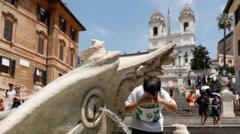
Italy is currently experiencing an intense heatwave, with temperatures reaching levels that pose significant risks to health and wellbeing. The Italian Ministry of Health has issued red alerts for all 27 major cities, including popular destinations like Rome, Milan, Naples, and Venice. As millions of tourists and locals contend with the soaring mercury during Europe’s holiday season, experts and residents offer practical advice on how to enjoy Italy’s rich cultural heritage while avoiding the dangers of extreme heat. This article explores effective ways to navigate the heatwave, from timing visits to popular attractions to embracing shaded retreats and local customs.
Understanding the Heatwave and Its Impact
Italy’s current heatwave is part of a broader global trend linked to climate change, marked by increasingly frequent and intense periods of extreme heat. The Ministry of Health’s red alert signals that temperatures are reaching levels that can threaten people’s health, particularly vulnerable groups such as the elderly, children, and those with pre-existing conditions.
Cities across Italy, including cultural hubs like Rome, Milan, Naples, and Venice, are under this alert, making it essential for both residents and visitors to adapt their routines. The heatwave is not only a challenge for personal comfort but also affects how people experience Italy’s outdoor attractions and daily life.
Timing Your Visits to Avoid the Hottest Hours
One of the most critical strategies to cope with the heat is to avoid outdoor activities during the hottest hours, typically after lunchtime until early evening. Simone Quilici, director of the Archaeological Park of the Colosseum, advises against visiting outdoor sites during peak heat, describing it as a “big mistake.”
To accommodate this, some of Italy’s major attractions have extended their opening hours into the evening. For example, the Colosseum in Rome is open late on Fridays and Saturdays, while the Pantheon and Milan’s Sforza Castle also offer evening visits. These adjustments allow visitors to explore comfortably when temperatures are cooler.
Additionally, some tour operators have introduced early morning and late-night tours to help tourists avoid the midday heat. Mateo Medina, director of operations at Vivicos International Travel, notes increased demand for tours starting at 8:00 AM and even after 10:00 PM, providing alternatives to the traditional daytime schedules.
Seeking Shelter in Air-Conditioned and Shaded Spaces
Air-conditioned museums and churches offer welcome relief from the heat while providing cultural enrichment. Italy’s numerous historic churches are not only spiritual landmarks but also cool refuges from the sun. Museums, often equipped with modern climate control, are increasingly popular during heatwaves.
Cooking classes and wine tasting sessions, usually held indoors, have gained traction as enjoyable, climate-controlled alternatives to walking tours. Parks such as Villa Borghese in Rome or Parco degli Acquedotti provide shaded green spaces to relax and escape direct sunlight.
For those interested in unique experiences, visiting underground sites like the Catacombs of San Sebastian and San Callisto in Rome offers both a cultural journey and a cooler environment. Similarly, Naples’ National Archaeological Museum is recommended for its extensive Roman, Egyptian, and Greek collections, all accessible in an air-conditioned setting.
Exploring Alternative Routes and Off-the-Beaten-Path Destinations
Travel expert Alessia Armenise encourages visitors to explore beyond the well-trodden tourist paths. She highlights supermarkets as underrated spots for cooling down and grabbing fresh, affordable food without the crowds. This practical tip also helps avoid long queues at popular eateries.
For those near natural bodies of water, planning activities around these features can provide both scenic and cooling benefits. Armenise suggests opting for boat trips instead of coastal hikes, allowing visitors to enjoy views inaccessible by land while benefiting from the cooling effect of water.
In Florence, art historian Dr. Agata Chrzanowska recommends escaping the heat by visiting nearby hills and mountainous areas like the Garfagnana region, which offers cooler temperatures and beautiful landscapes. Such day trips provide a refreshing contrast to the city’s heat.
Booking tickets in advance for major landmarks like the Vatican is crucial during the heatwave. This strategy helps avoid long lines under the scorching sun, ensuring a more comfortable and efficient visit.
Adopting Local Practices to Stay Comfortable
Embracing local habits can enhance the experience of Italy during extreme heat. Many Italians adjust their daily schedules to avoid the hottest times, favoring early morning or late evening activities.
In smaller towns and cities, local galleries, museums, and cafes offer cooler environments and fewer crowds. Armenise shares how a visit to a cinema in Bologna provided a pleasant, air-conditioned respite while also connecting her to the city’s cultural history.
In Verona, attending an evening concert at the historic Verona Arena combines entertainment with relief from the daytime heat. Similarly, Florence’s Odeon cafe and bookstore, a modernized art-nouveau cinema turned bookshop, offers a cool and relaxing atmosphere surrounded by books and art.
Venetian tour guide Fiona Giusto emphasizes practical measures such as staying hydrated, wearing hats and sunscreen, and planning routes around shaded spots. She also recommends indoor cultural venues like Teatro La Fenice and the Ca’ Rezzonico art museum to enjoy Venice’s heritage without overheating.
What this means
Italy’s current heatwave presents challenges but also opportunities to experience the country in new and thoughtful ways. By adjusting schedules, seeking shaded and air-conditioned spaces, and embracing local customs, both residents and visitors can enjoy Italy’s rich cultural and natural offerings safely. Planning ahead, staying hydrated, and being mindful of the heat’s impact are essential steps to make the most of Italy during this intense summer period. As climate change continues to influence weather patterns, these adaptive strategies will become increasingly important for travel and daily life.
Source: How Italians are avoiding the worst of the heat this summer via www.bbc.co.uk.
This article was curated with AI assistance and reviewed according to Tamfis editorial settings.