
News
Beyond the Rhetoric: A Neutral Analysis of the Russia-Ukraine Conflict
By Engr. Tamunofiniarisa BrownReading Time: 6 Minutes The conflict between Russia and Ukraine is often framed in the media as a simple battle between…
TAMFIS NIG LTDRC 8067447CAC ACTIVEFinima, Bonny Island, Rivers State

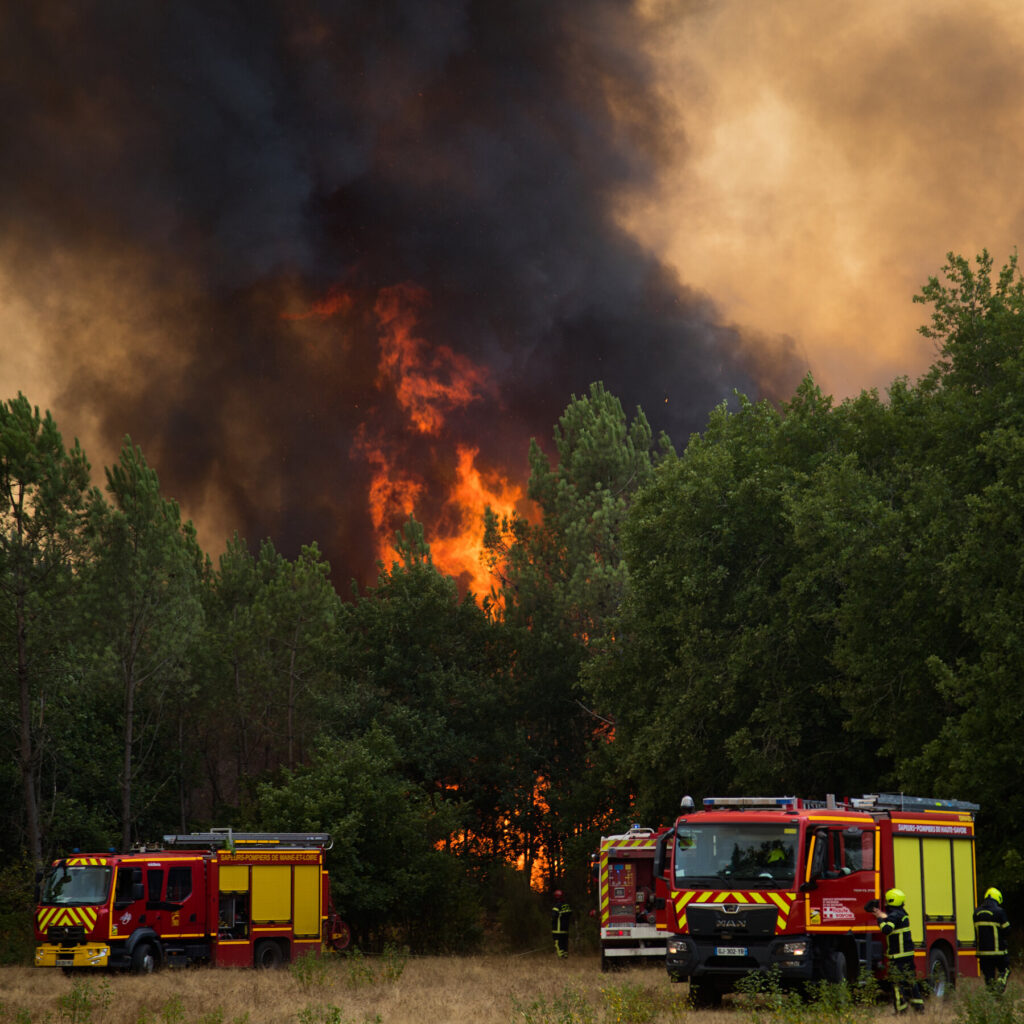
Europe is confronting an unprecedented convergence of crises that challenge its capacity to shape its own future. The ongoing conflicts in Iran and Ukraine, devastating wildfires across the continent, and increasing migration flows are exerting immense pressure on European nations. These forces, largely beyond Europe's immediate control, are reshaping the continent’s political, social, and environmental landscape. This article examines how these intertwined challenges test Europe's sovereignty and resilience, and what they imply for its role on the global stage.
The conflicts in Iran and Ukraine have intensified geopolitical tensions, placing considerable strain on Europe's political stability and security frameworks. The war in Ukraine, now in its extended phase, has drawn in NATO and European Union countries, compelling them to recalibrate diplomatic and military strategies to support Ukraine while managing the risks of escalation. This conflict remains a central focus of European foreign policy, influencing defense spending and alliance dynamics.
Simultaneously, tensions with Iran, including proxy conflicts in the Middle East and diplomatic standoffs over nuclear activities, complicate Europe's foreign relations and energy security. European countries are caught between maintaining sanctions, engaging in dialogue, and managing regional instability that indirectly affects their interests.
Countries such as Britain, France, and Spain find themselves navigating this complex geopolitical landscape where their influence is tested amid competing global powers. Balancing sanctions, humanitarian aid, and defense commitments requires delicate coordination, often revealing divisions within the continent on priorities and approaches.
The economic repercussions of these conflicts are significant. Energy supply disruptions, particularly in natural gas and oil, have contributed to inflationary pressures and economic uncertainty across Europe. These challenges complicate domestic governance, fuel public discontent, and underscore Europe's dependence on external energy sources, further limiting its strategic autonomy.
Europe has endured a brutal summer marked by widespread and severe wildfires, especially in southern countries like Spain and France. These fires have destroyed vast areas of forest, forced evacuations, and overwhelmed emergency response systems. The scale and intensity of these wildfires are unprecedented in recent memory.
These environmental disasters are symptomatic of broader climate change impacts. Rising temperatures, prolonged droughts, and shifting weather patterns have created conditions conducive to more frequent and intense wildfires. Traditional firefighting and prevention methods are increasingly inadequate in the face of these evolving challenges.
Beyond immediate destruction, the wildfires have far-reaching economic and social consequences. Agriculture suffers from damaged land and disrupted supply chains, tourism declines due to affected natural sites and safety concerns, and public health is threatened by smoke and heatwaves. These factors place additional burdens on governments already managing multiple crises.
In response, European governments face mounting pressure to accelerate climate adaptation and mitigation strategies. This includes investing in sustainable land management, enhancing disaster preparedness, and committing to emissions reductions. The wildfires have thus become a stark reminder of Europe's vulnerability to climate change and the urgent need for coordinated action.
Migration continues to be a persistent and complex challenge for Europe, intensified by conflicts and environmental degradation in neighboring regions. Increasing numbers of migrants and refugees seeking safety and better opportunities have strained Europe’s border controls, asylum systems, and social integration policies.
Countries such as Britain, France, and Spain are on the frontline of managing these flows, often facing political backlash and social tensions domestically. The migration issue exposes underlying fractures within the European Union, particularly regarding burden-sharing and coordinated humanitarian responses.
Efforts to develop cohesive migration policies are ongoing but complicated by divergent national interests and varying public opinions. Some countries advocate for stricter border controls and security measures, while others emphasize humanitarian obligations and integration efforts.
This situation demands a delicate balance between ensuring security, upholding human rights, and addressing long-term demographic and economic factors. The migration challenge highlights the need for comprehensive, unified strategies that can manage immediate pressures while fostering social cohesion and economic vitality.
The convergence of geopolitical conflicts, environmental disasters, and migration pressures has exposed the limits of Europe’s control over its own destiny. Despite its significant economic and diplomatic power, Europe faces vulnerabilities in governance, coordination, and strategic autonomy.
Europe’s reliance on external energy sources, proximity to unstable regions, and the accelerating impacts of climate change collectively constrain its sovereignty. Internal political divisions further complicate efforts to mount unified responses to these multifaceted threats.
Nevertheless, these challenges also present opportunities. They underscore the necessity for enhanced cooperation among European nations, increased investment in resilience-building measures, and a redefinition of Europe’s role on the global stage.
Europe’s future stability and influence will depend on its ability to adapt and respond effectively. Strengthening multilateral institutions, fostering innovation in policy and technology, and reaffirming shared values are critical steps toward navigating this complex landscape.
The harsh realities of this summer have underscored Europe’s delicate position in a rapidly evolving global environment. External conflicts, climate crises, and migration pressures limit the continent’s autonomy but simultaneously call for renewed solidarity and strategic foresight. Europe’s future will hinge on its capacity to collectively navigate these challenges, balancing immediate needs with long-term resilience and cooperation. Pragmatic leadership, innovative policy solutions, and a commitment to shared values are essential to sustaining the continent through these turbulent times.
Source: Europe’s Control of Its Fate Is Tested by Iran and Ukraine Wars, Wildfires and Migration via www.nytimes.com.
This article was curated with AI assistance.
Keep reading
News
By Engr. Tamunofiniarisa BrownReading Time: 6 Minutes The conflict between Russia and Ukraine is often framed in the media as a simple battle between…
World News
Following a tragic crash on the A66 near Middlesbrough that killed two police officers and five young men, Cleveland Police have arrested three more…
World News
When floodwaters surged toward a school in Nepal, Principal Rajendra Dawadi had mere minutes to act. His rapid response and evacuation plan ensured the…
TAMFIS NIG LTD
Electrical and instrumentation engineering, bid preparation and consulting, IT and software.