
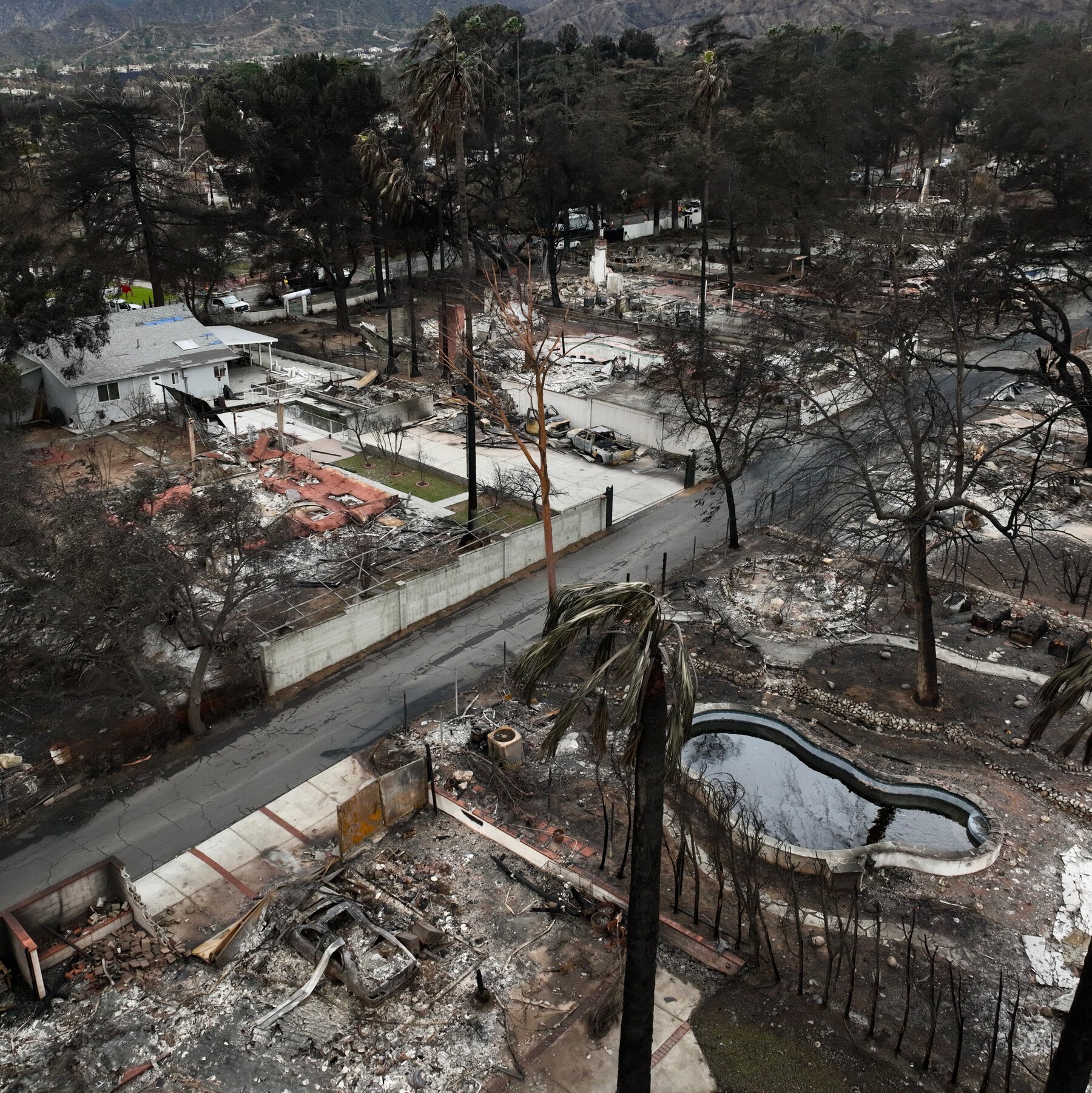
In 2025, the Eaton fire swept through the Altadena community in Los Angeles County, leaving a trail of destruction and tragedy. The fire resulted in 19 fatalities and widespread property loss. Recent investigations have pinpointed the origin of the fire to an inactive transmission tower owned by Southern California Edison. This revelation has sparked renewed discussions about utility infrastructure safety, wildfire prevention strategies, and accountability in high-risk fire zones. This article examines the causes behind the Eaton fire, its consequences, and the lessons that can be drawn to prevent similar disasters in the future.
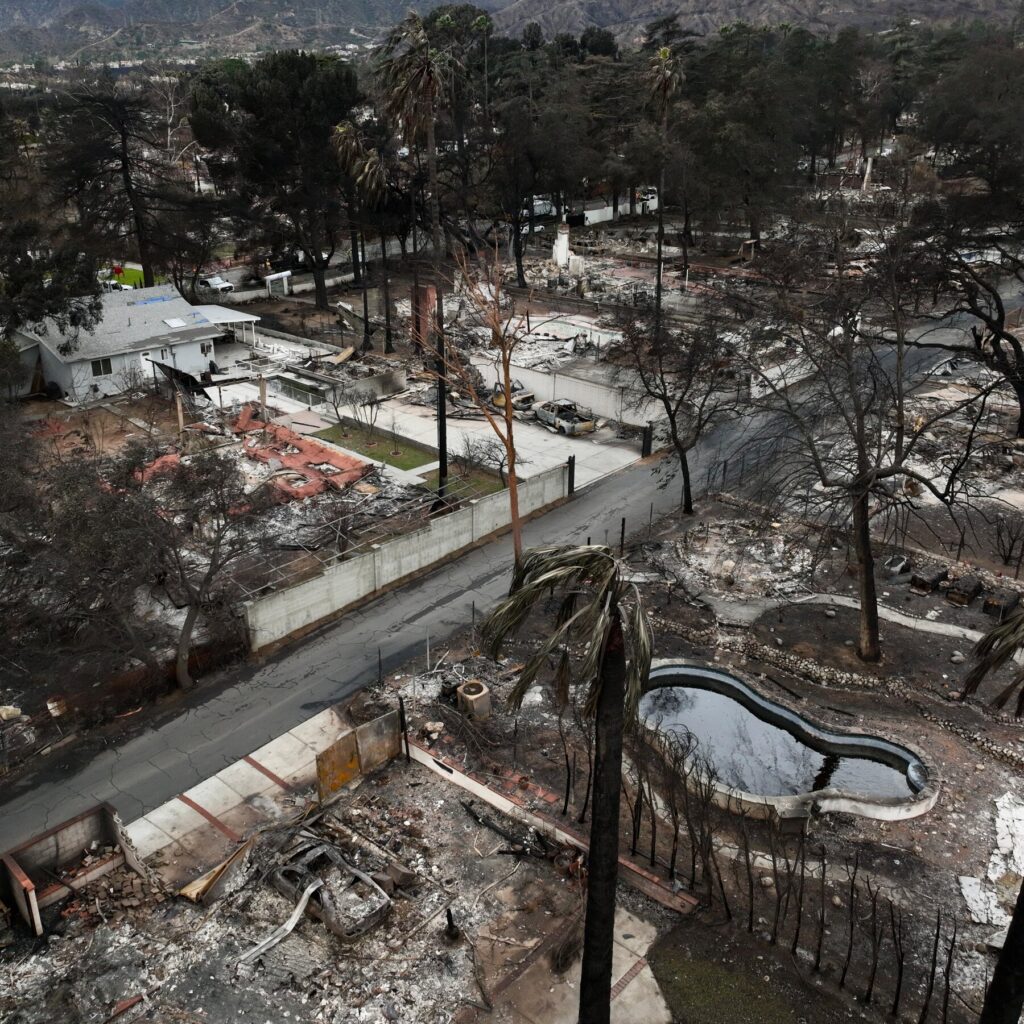
The Origin of the Eaton Fire: Transmission Tower Failure
According to official reports, the Eaton fire started at an inactive transmission tower owned by Southern California Edison. Transmission towers are critical components of the electrical grid, carrying high-voltage power lines across vast distances. While these structures are generally designed with safety in mind, they can become significant fire hazards under certain conditions, particularly if they are aging or not properly maintained.
In this case, the tower was not actively carrying current at the time the fire ignited, which adds complexity to understanding the exact cause. Preliminary investigations suggest that equipment failure or structural issues with the tower may have contributed to the ignition. These findings highlight the risks posed by aging infrastructure, especially in regions prone to wildfires where environmental conditions can exacerbate hazards.
This incident underscores the need for rigorous inspection and maintenance protocols for all utility equipment, including those components not currently in active use, to prevent similar catastrophic events.
Impact on the Altadena Community and Surrounding Areas
The Eaton fire had a devastating impact on the Altadena community, a residential area in Los Angeles County known for its scenic landscapes and close-knit neighborhoods. The fire destroyed numerous homes and businesses, as well as natural areas, displacing thousands of residents and causing extensive economic damage.
Tragically, 19 people lost their lives in the blaze, a stark reminder of the deadly potential of wildfires, especially when fueled by utility infrastructure failures. The rapid spread of the fire was exacerbated by the region’s dry conditions and challenging terrain, which complicated firefighting efforts.
Emergency response teams mobilized quickly, but evacuation efforts were hampered by the fire’s speed, leaving some residents with little time to escape. This situation highlighted critical gaps in community preparedness and emergency communication systems, emphasizing the importance of improving these areas to better protect vulnerable populations in future incidents.
Utility Infrastructure and Wildfire Risks: A Broader Perspective
The Eaton fire is part of a broader and troubling pattern of wildfires linked to utility infrastructure in California and other fire-prone states. Over the past decade, transmission towers, power lines, and related equipment have been implicated in several major fires, raising serious concerns about the adequacy of current safety measures and maintenance practices.
Utilities face the complex challenge of balancing the demands of an expanding electrical grid with the imperative to minimize wildfire risks. Aging equipment, extreme weather events such as high winds and drought, and the presence of vegetation near power lines all contribute to the vulnerability of the system.
In response, regulatory agencies and utility companies are under increasing pressure to implement more rigorous inspection protocols, invest in infrastructure modernization, and adopt advanced technologies. These include insulated conductors that reduce the chance of sparks, real-time monitoring systems that detect faults early, and automated shutoff mechanisms during high-risk conditions.
Accountability and Legal Implications for Southern California Edison
The identification of Southern California Edison’s transmission tower as the origin point of the Eaton fire raises significant questions about the company’s accountability. Utility companies have faced numerous lawsuits and regulatory penalties when their equipment has been found responsible for wildfires, often centered on allegations of negligence, inadequate maintenance, or failure to implement proper safety protocols.
Southern California Edison is expected to undergo thorough scrutiny from regulators, legal authorities, and affected communities. Investigations will focus on whether the company complied with mandated safety standards and took sufficient measures to mitigate fire risks in high-danger areas.
The outcomes of these investigations and any resulting legal actions could have far-reaching implications, influencing future regulatory frameworks and setting important precedents for utility liability in wildfire incidents across the state and potentially nationwide.
Preventive Measures and Future Directions
Preventing another tragedy like the Eaton fire requires a comprehensive, multifaceted approach. Utilities must prioritize the maintenance and upgrading of transmission infrastructure, particularly in wildfire-prone regions. This includes replacing aging towers, enhancing vegetation management around power lines, and utilizing fire-resistant materials to reduce ignition risks.
Technological innovations offer promising avenues for improving safety. For instance, installing sensors that detect equipment faults or environmental conditions conducive to fires can enable faster responses and potentially prevent ignition. Additionally, utilities can implement strategic power shutoffs during extreme weather events to reduce the likelihood of sparks, though these measures must be carefully balanced against the impact on customers who rely on electricity for essential needs.
Equally important is community preparedness. Public education on evacuation plans, early warning systems, and fire-resistant building practices can save lives and reduce property damage. Building resilience against wildfires requires collaboration among utilities, government agencies, and residents to develop coordinated response strategies and ensure clear communication during emergencies.
What this means
The Eaton fire serves as a stark reminder of the critical role utility infrastructure plays in wildfire risk management. While Southern California Edison’s transmission tower was identified as the fire’s starting point, the broader challenge lies in ensuring that all components of the electrical grid are resilient against the growing threat of wildfires. Addressing this issue demands coordinated efforts among utilities, regulators, and communities to implement robust safety measures, invest in modern technologies, and foster preparedness. Only through such comprehensive action can future disasters be mitigated, protecting lives and property from the devastating impact of wildfires.
Source: Eaton Fire Caused by Utility’s Transmission Tower, Report Says via www.nytimes.com.
This article was curated with AI assistance and reviewed according to Tamfis editorial settings.