
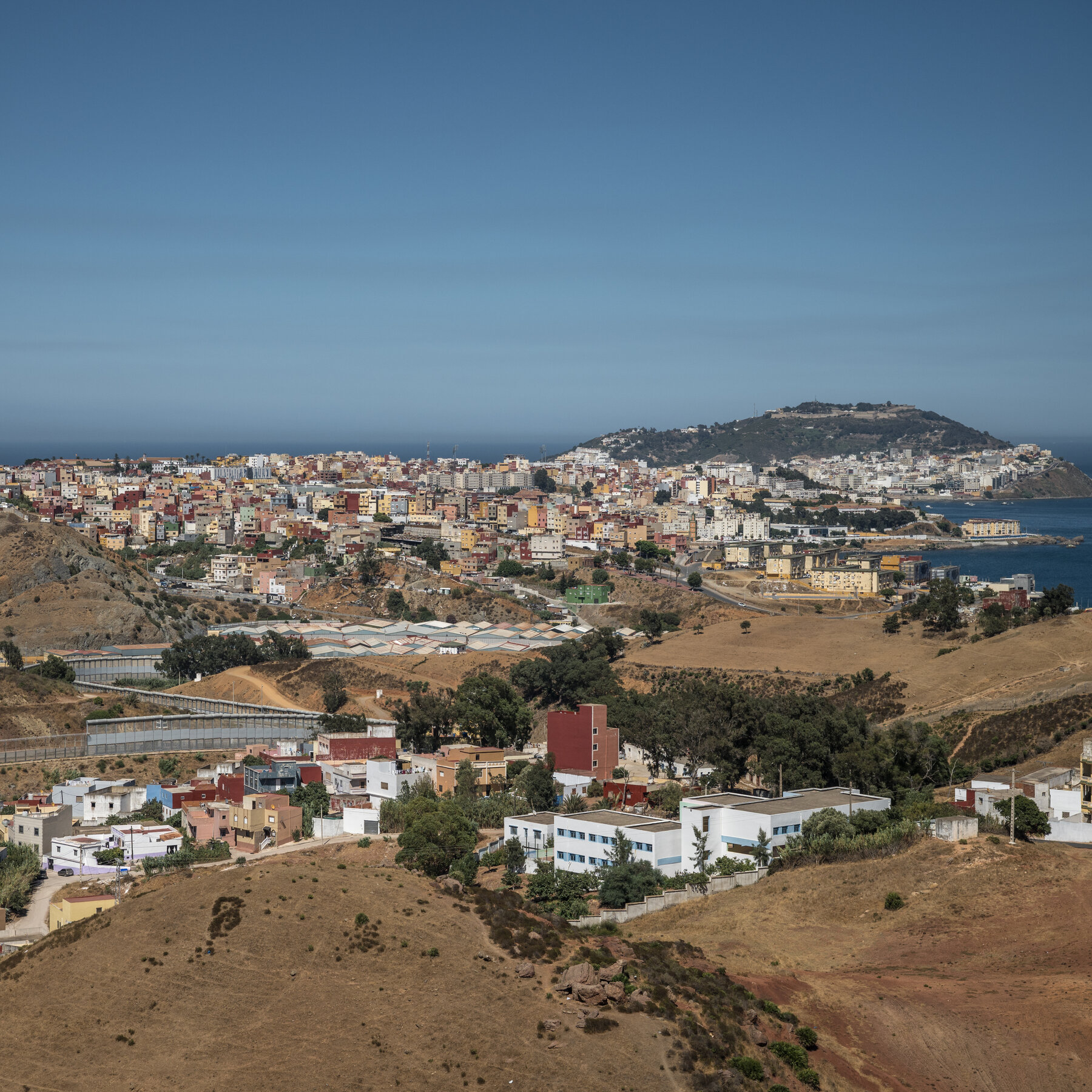
Ceuta, a Spanish enclave located on the northern coast of Africa, and Fnideq, its Moroccan neighbor just a mile away, represent a unique border dynamic shaped by centuries of history, intertwined families, and vibrant trade. Despite their close proximity, these two communities navigate ongoing challenges amid recent border crises that have brought migration issues and diplomatic tensions sharply into focus. To fully grasp the nature of their relationship, it is essential to explore their shared historical roots, the social bonds that cross the border, their economic interdependence, and the political complexities that influence their coexistence.
A Border Defined by History and Geography
Ceuta is one of two Spanish territories on the African continent, alongside Melilla, both remnants of Spain’s colonial past. Situated strategically on the Strait of Gibraltar, Ceuta has historically served as a military outpost and a hub for maritime trade. Its location, less than a mile from the Moroccan town of Fnideq, creates a unique geographical and political interface where European and African, Spanish and Moroccan identities converge and interact daily.
The border between Ceuta and Fnideq is more than a mere political boundary; it is a living space where cultures, histories, and communities overlap. This area has long been a crossroads of civilizations, influenced by Phoenicians, Romans, Arabs, and Europeans over millennia. These layers of history contribute to the complex identities of both Ceuta and Fnideq, shaping their contemporary social fabric and interactions. The border’s physical presence is a reminder of colonial legacies and ongoing geopolitical realities, making it a focal point for broader discussions about sovereignty and cultural exchange.
Interwoven Families and Communities
Despite the international border, many families have relatives on both sides, reflecting generations of cross-border marriages and kinship ties. These familial connections create a social fabric that transcends political boundaries, fostering a sense of shared identity and community. Residents of Fnideq often have family members living in Ceuta, and vice versa, enabling frequent personal interactions that defy the strictness of the border.
These close social ties facilitate daily exchanges, from visiting relatives to participating in cultural and religious events. However, they also complicate border enforcement, as authorities must navigate the delicate balance between maintaining security and respecting the realities of people’s lives that do not conform neatly to national borders. The human dimension of the border is thus a critical factor in how policies are implemented and experienced on the ground.
Economic Interdependence Through Trade
Trade forms a vital link between Ceuta and Fnideq, with goods and services crossing the border daily. Ceuta’s status as a Spanish territory with distinct tax regulations creates economic opportunities for Moroccan traders and consumers. Many residents of Fnideq depend on the markets and employment available in Ceuta, while Ceuta benefits from goods and labor sourced from Morocco, fostering a mutually reliant economic relationship.
This economic interdependence supports livelihoods on both sides but also generates challenges. The disparities in price and regulation encourage smuggling and informal trade, which are widespread and difficult to control. Authorities on both sides face the complex task of managing legal commerce while curbing illicit activities, all without disrupting the fragile economic balance that sustains many families and businesses in the region.
Recent Border Crisis and Migration Challenges
In recent years, the Ceuta-Fnideq border has become a critical flashpoint for migration issues. As one of the few land borders between Africa and Europe, Ceuta serves as a gateway for migrants seeking entry into the European Union. This has led to periodic border crises, with large groups attempting to cross into Ceuta, sometimes overwhelming local resources and security forces.
These migration surges reflect broader geopolitical tensions between Spain and Morocco, as well as the complex realities of migration driven by economic hardship, political instability, and conflict in the region. At times, both countries have used the border as leverage in diplomatic disputes, further complicating efforts to manage migration in a humane and effective manner.
The impact of these crises is felt deeply by local communities on both sides. In Ceuta, residents contend with increased security measures and social pressures, while in Fnideq, the economic and social consequences of migration flows and border closures affect everyday life. These challenges highlight the urgent need for coordinated policies that address root causes of migration while respecting human rights and supporting community resilience.
Balancing Security and Human Connections
The Ceuta-Fnideq border exemplifies the tension between national security priorities and the enduring human connections that transcend borders. While Spain and Morocco must maintain control over migration and trade to safeguard their interests, they also need to recognize the deep social and economic ties that bind their border communities.
Efforts to improve cross-border cooperation have included joint patrols, enhanced information sharing, and community engagement initiatives. While these measures have yielded some progress, lasting solutions require addressing broader issues such as economic development, comprehensive migration policies, and diplomatic relations between the two countries.
For residents of Ceuta and Fnideq, the border is far more than a line on a map; it shapes their identities, opportunities, and daily realities. Policies that acknowledge and incorporate this complexity stand a better chance of fostering stability, prosperity, and peaceful coexistence in the region.
What this means
The relationship between Ceuta and Fnideq embodies the complexities common to many border regions worldwide, where history, family, and commerce intertwine across political divides. Recent crises at the border underscore the challenges of managing migration and security while respecting the human realities of cross-border life. Moving forward, enhanced cooperation between Spain and Morocco that embraces the social and economic fabric of these communities will be crucial. Such an approach can transform the border from a point of tension into a space of shared opportunity, stability, and mutual benefit.
Source: Two Cities With a Tangled History via www.nytimes.com.
This article was curated with AI assistance and reviewed according to Tamfis editorial settings.