
News
Beyond the Rhetoric: A Neutral Analysis of the Russia-Ukraine Conflict
By Engr. Tamunofiniarisa BrownReading Time: 6 Minutes The conflict between Russia and Ukraine is often framed in the media as a simple battle between…
TAMFIS NIG LTDRC 8067447CAC ACTIVEFinima, Bonny Island, Rivers State

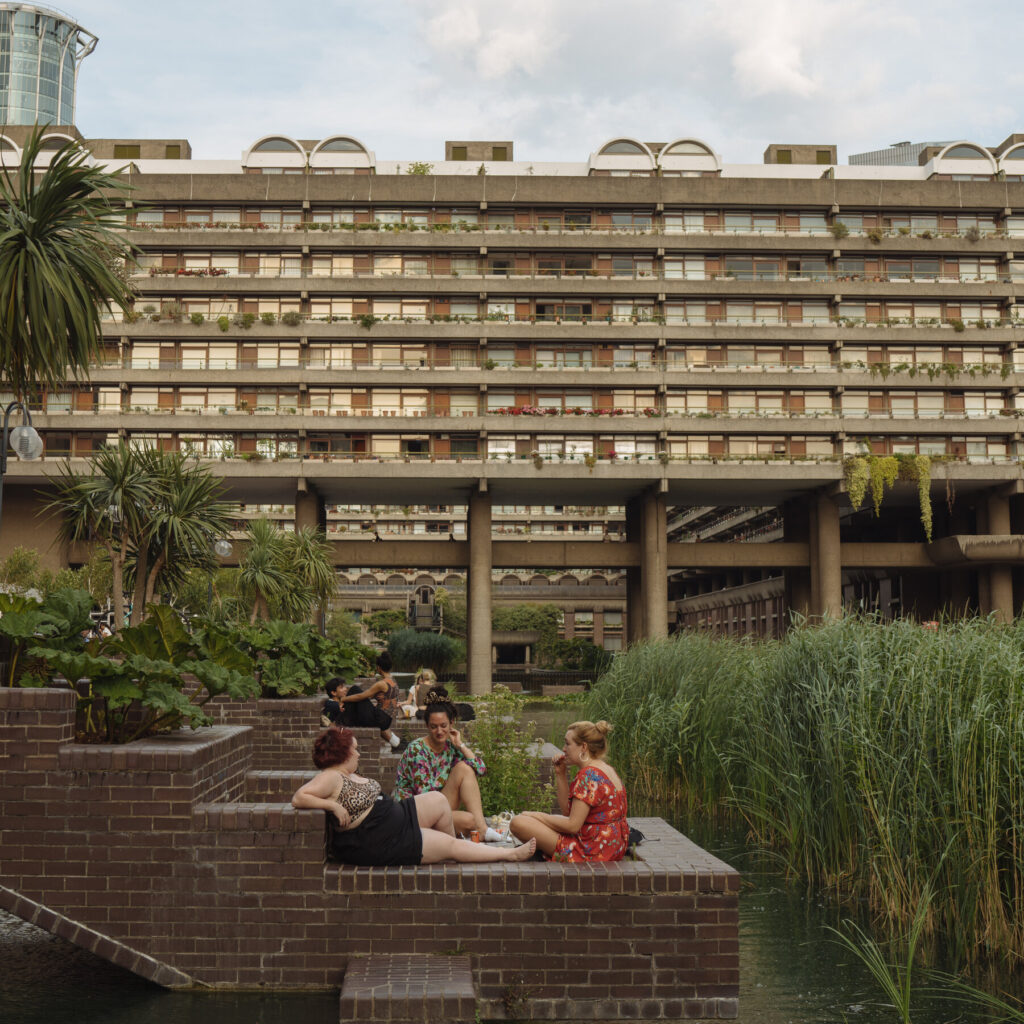
The Barbican estate in central London, once a controversial housing project, has evolved into a revered architectural landmark known for its distinctive Brutalist design. Now, the community faces a fresh challenge: a proposed 20-story tower set to rise next to the historic complex. Residents are mobilizing to oppose the development, citing concerns about the impact on the Barbican's character, light, and views. This article explores the background of the Barbican, the details of the new proposal, and the broader implications for urban planning and heritage conservation in London.
Constructed during the 1960s and 1970s, the Barbican estate was initially met with mixed reactions. Its Brutalist style, characterized by raw concrete and bold geometric forms, was divisive among Londoners and critics alike. Many found the aesthetic harsh and uninviting, while others appreciated its modernist ambitions.
Over time, however, the Barbican has gained recognition as a masterpiece of post-war architecture and urban design. It is celebrated for its innovative integration of residential living, cultural venues, and green spaces within a dense urban environment. The estate includes residential towers, arts venues such as the Barbican Centre, and carefully designed public spaces that foster a unique urban community.
The design philosophy behind the Barbican prioritized dense urban living balanced with open communal areas, a concept that has influenced city planning worldwide. Its distinct appearance and thoughtful layout have transformed it into a cherished landmark, symbolizing a bold vision of city life that combines culture, nature, and residential comfort.
The latest development proposal involves constructing a 20-story building immediately adjacent to the Barbican estate. The new tower aims to provide additional housing and commercial space in central London, addressing the city's ongoing demand for urban density and economic growth.
Despite these intentions, residents and preservationists have raised alarms about the potential effects of the new structure. Key concerns include the overshadowing of the Barbican's open spaces and gardens, which are vital to the estate's character and residents' quality of life.
Additionally, the new tower threatens to disrupt sightlines that contribute to the Barbican’s aesthetic appeal, potentially diminishing the visual harmony of the area. There is also apprehension that the scale and design of the tower could clash with the Barbican’s established Brutalist character, undermining the architectural integrity of this historic site.
Residents worry that the new building could lead to increased congestion and alter the community’s atmosphere, which has been carefully cultivated over decades. The proposal thus raises broader questions about how new developments can coexist with and respect iconic heritage sites.
In response to the proposal, Barbican residents have organized to voice their opposition. They are actively engaging with local authorities, heritage organizations, and the media to highlight their concerns and advocate for the preservation of the estate’s unique environment.
Community groups emphasize the importance of safeguarding the Barbican’s architectural and cultural significance. They argue for development approaches that respect the historical context and maintain the quality of life for current and future residents.
This resistance is part of a broader trend seen in urban centers worldwide, where communities seek greater influence over development projects that affect their neighborhoods. The Barbican case exemplifies how residents can mobilize effectively to protect heritage sites while balancing the need for urban growth.
Through petitions, public meetings, and collaboration with preservation experts, the community is pushing for a development process that is transparent, inclusive, and sensitive to the estate’s legacy.
London faces an ongoing challenge in accommodating population growth and housing demand while safeguarding its rich architectural heritage. The dispute over the Barbican tower proposal underscores the complexities involved in balancing these sometimes competing priorities.
Urban planners and policymakers must carefully weigh the benefits of new developments against their potential impacts on historic sites. This requires employing strategies such as design review panels, heritage impact assessments, and comprehensive community consultations to ensure that new projects complement rather than compromise existing landmarks.
The Barbican situation serves as a valuable case study in how cities can navigate tensions between modernization and conservation. It highlights the necessity of thoughtful, context-sensitive planning that respects the cultural and architectural significance of established neighborhoods.
Achieving this balance is crucial not only for preserving heritage but also for fostering sustainable urban environments that meet the needs of diverse populations.
The outcome of the Barbican tower proposal remains uncertain as local authorities carefully review feedback from residents, heritage experts, and developers. Possible scenarios include revising the tower’s design to address community concerns or, in some cases, rejecting the project altogether.
Regardless of the decision, this episode highlights the importance of early and meaningful engagement between developers, residents, and heritage bodies. Such collaboration can lead to urban projects that honor both progress and preservation.
Future developments in historic areas will likely benefit from the lessons learned in the Barbican case, promoting approaches that are collaborative, transparent, and sensitive to context.
For the Barbican community, the fight transcends a single building; it is about protecting a living piece of London’s architectural legacy for current and future generations. Their efforts underscore the vital role that community voices play in shaping the future of cities.
The conflict surrounding the proposed tower adjacent to the Barbican estate encapsulates the broader challenges faced by cities like London as they evolve. While the demand for new housing and commercial space is undeniable, it must be reconciled with the imperative to preserve architectural heritage that defines the city's identity. The Barbican residents’ resistance underscores the value of community voices in shaping urban futures. Moving forward, collaborative planning that respects both development goals and cultural significance will be crucial to sustaining vibrant, livable cities.
Originally reported by nytimes.com. Adapted for our readers with AI assistance.
Keep reading
News
By Engr. Tamunofiniarisa BrownReading Time: 6 Minutes The conflict between Russia and Ukraine is often framed in the media as a simple battle between…
World News
Following a tragic crash on the A66 near Middlesbrough that killed two police officers and five young men, Cleveland Police have arrested three more…
World News
When floodwaters surged toward a school in Nepal, Principal Rajendra Dawadi had mere minutes to act. His rapid response and evacuation plan ensured the…
TAMFIS NIG LTD
Electrical and instrumentation engineering, bid preparation and consulting, IT and software.