
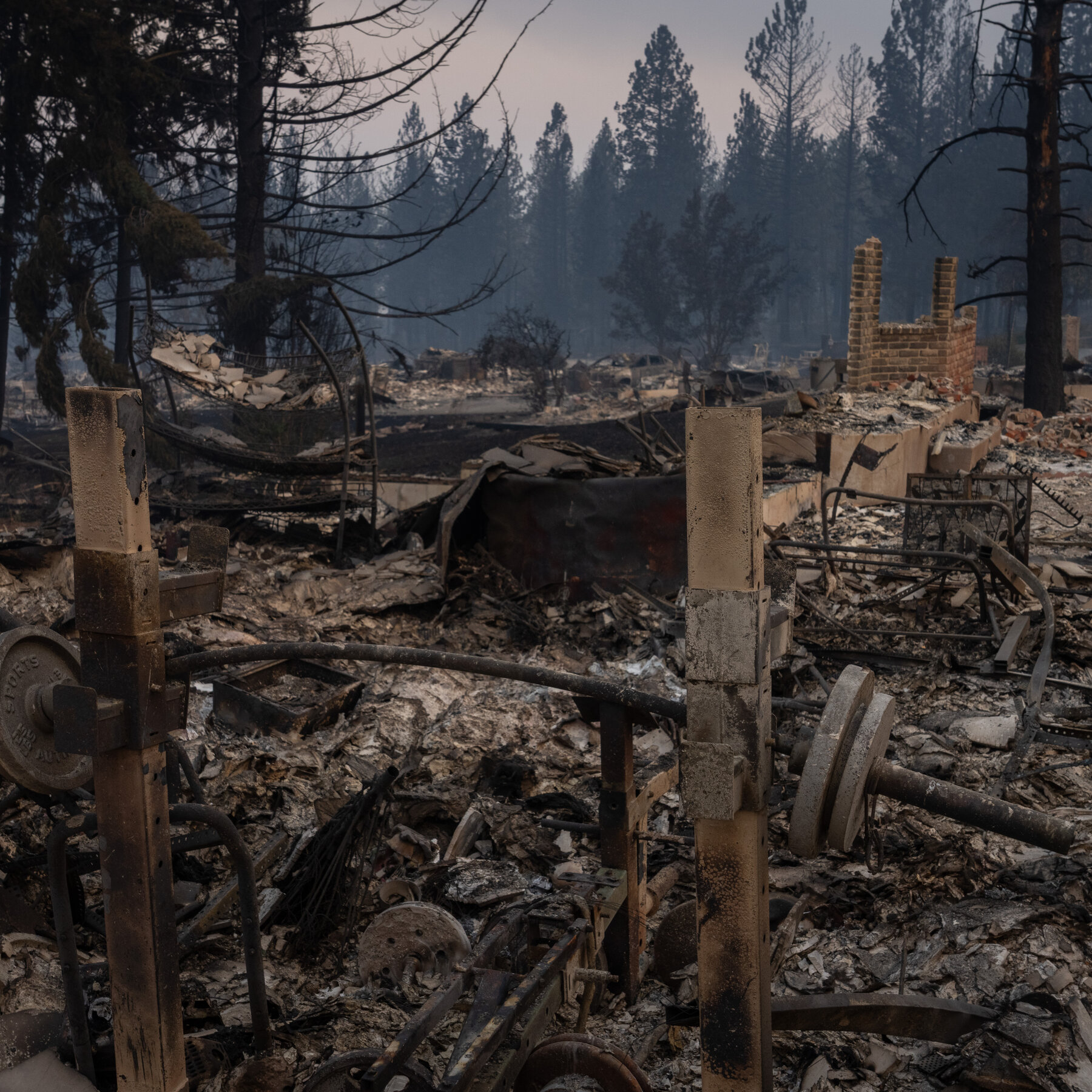
A major wildfire near Spokane, Washington, has taken a troubling turn with the arrest of a 37-year-old man on suspicion of arson. Aaron Farinacci was detained after a witness reported seeing him near the fire's ignition point. This development highlights the ongoing challenges authorities face in preventing and investigating wildfires, especially in regions increasingly vulnerable to such disasters. Understanding the details of this case and its broader context is crucial for communities, policymakers, and individuals alike.
Details of the Arrest and Investigation
Authorities arrested Aaron Farinacci, 37, following a report from a witness who observed him kneeling near the location where the wildfire began. Law enforcement officials have identified this eyewitness account as a key piece of evidence linking Farinacci to the fire's ignition site.
While specific motives behind the alleged arson have not been publicly disclosed, the arrest underscores the significant role that human activity can play in wildfire outbreaks. Investigators are continuing to gather evidence to build a comprehensive case, which may include forensic analysis of the ignition site, additional witness testimonies, and other investigative techniques.
The prompt reporting by the witness was instrumental in enabling authorities to act quickly, potentially preventing further spread of the fire. This case illustrates the critical importance of community vigilance and timely communication in wildfire-prone areas, where early intervention can make a substantial difference in mitigating damage.
The Spokane Wildfire: Scope and Impact
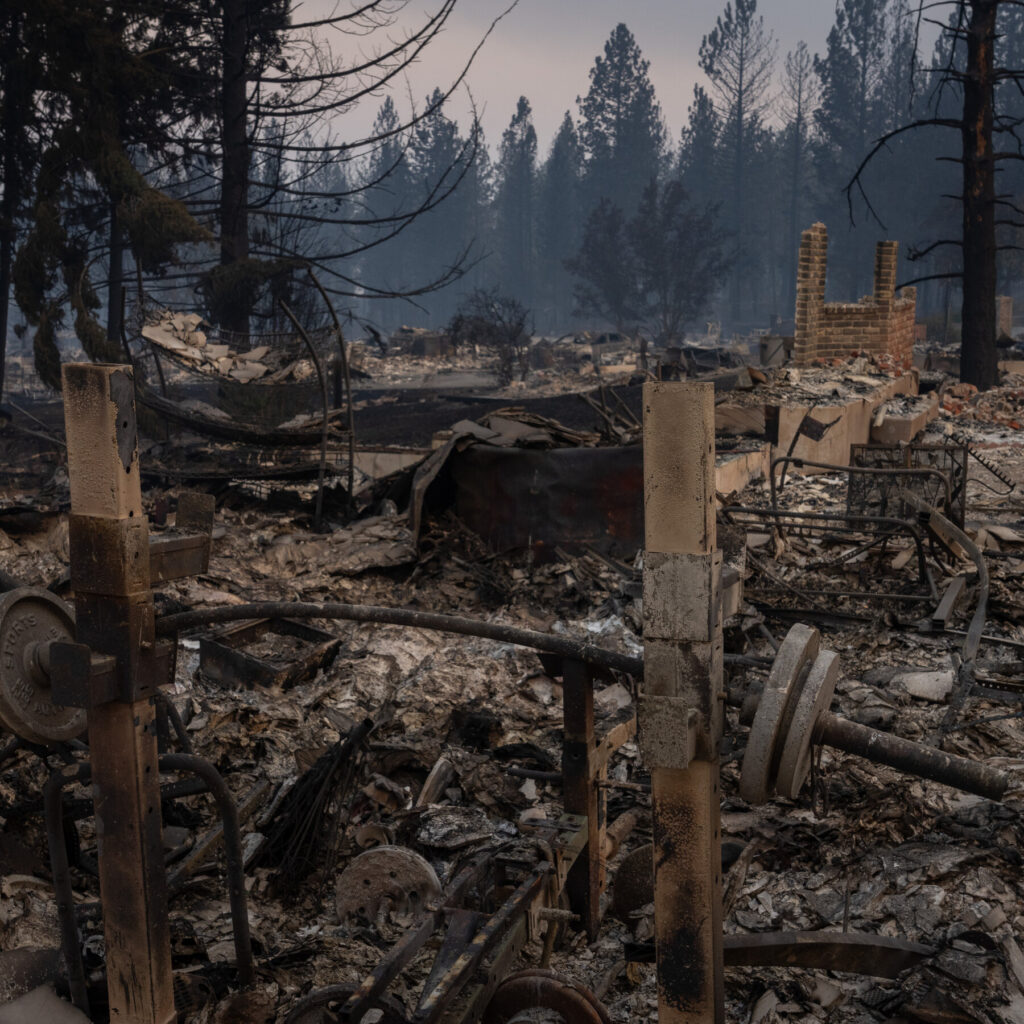
The wildfire near Spokane has caused significant concern due to its rapid spread and potential for damage. Although exact figures on acreage burned and property affected have not yet been released, emergency responses included evacuations and the deployment of extensive firefighting resources.
Washington State has experienced an increase in both the frequency and intensity of wildfires over recent years. This trend is driven by a combination of factors, including climate change, prolonged drought conditions, and human activities such as accidental ignitions and, in some cases, deliberate arson. The Spokane fire adds to a growing list of incidents that strain firefighting resources and threaten communities across the region.
Local authorities have been working tirelessly to contain the fire, protect residents, and assess environmental damage. Recovery efforts are expected to extend over several months, depending on the fire's final impact on ecosystems, infrastructure, and local economies. The long-term consequences may include soil degradation, loss of wildlife habitat, and economic challenges for affected communities.
Understanding Arson in Wildfire Contexts
Arson—the deliberate setting of fires—represents a serious and complex challenge in wildfire management. Unlike accidental fires caused by natural events such as lightning or negligence, arson involves intentional harm, complicating both prevention and response strategies.
Investigations into wildfire arson require meticulous evidence collection, including gathering witness accounts, reviewing surveillance footage, and conducting forensic examinations of ignition sites. Establishing clear intent and causation is essential for successful prosecution, which can be a lengthy and resource-intensive process.
Communities affected by arson-related wildfires often experience heightened fear and uncertainty, as these fires are perceived as avoidable and malicious. In response, law enforcement agencies typically increase patrols, launch public awareness campaigns, and collaborate with fire departments to deter potential arsonists and reassure residents. These measures aim to reduce the risk of future incidents and promote community resilience.
Preventive Measures and Community Roles
Preventing wildfires, whether accidental or intentional, involves a combination of public education, enforcement of fire safety regulations, and environmental management practices. Residents in wildfire-prone areas are encouraged to maintain defensible space around their properties by clearing flammable vegetation, properly disposing of yard waste, and adhering to local fire codes.
Local governments and fire departments often collaborate to implement early warning systems and rapid response protocols. Community engagement is vital to these efforts, as timely sharing of information and reporting of suspicious activities can prevent small ignitions from escalating into large-scale disasters.
The Spokane case reinforces the need for vigilance and cooperation between citizens and authorities. Encouraging a culture of responsibility and awareness can significantly reduce the incidence of human-caused wildfires, which remain a leading cause of fire outbreaks in many regions. Educational programs, neighborhood watch initiatives, and accessible reporting channels empower residents to play an active role in wildfire prevention.
Broader Implications for Wildfire Management
The arrest in Spokane highlights the intersection of criminal justice and environmental protection in wildfire contexts. Addressing arson requires coordinated efforts among law enforcement, fire agencies, and community organizations to effectively prevent, detect, and respond to such incidents.
As climate change continues to exacerbate wildfire risks by creating hotter, drier conditions, understanding human factors in fire ignition becomes increasingly important. Strategies must evolve to incorporate prevention, rapid detection, and effective prosecution of arson cases to mitigate overall wildfire impacts.
Investing in technology such as remote sensing, surveillance drones, and data analytics can enhance detection capabilities and improve response times. Simultaneously, supporting community education and resilience initiatives can empower residents to contribute actively to wildfire prevention and recovery. A holistic approach combining these elements is essential to address the growing wildfire threat.
What this means
The arrest of Aaron Farinacci in connection with the Spokane wildfire serves as a stark reminder of the human role in wildfire outbreaks, particularly when fires are intentionally set. While natural factors contribute significantly to wildfire risks, arson presents a preventable threat that demands vigilance and swift action. Communities, law enforcement, and fire management agencies must work together to detect, deter, and respond to such incidents effectively. As wildfires become more frequent and destructive due to changing climate conditions, a balanced approach combining technology, education, and enforcement will be essential to safeguarding lives, property, and the environment.
Source: Man Arrested on Suspicion of Arson in Spokane Wildfire via www.nytimes.com.
This article was curated with AI assistance and reviewed according to Tamfis editorial settings.