
News
RUSSIA versus NATO and BRICS vs. NATO Military SWOT
Recall that Poland’s Minister Sikorski’s core claim is partially supported by the numbers, but the framing “quite quickly” and “without the U.S.” does not…
TAMFIS NIG LTDRC 8067447CAC ACTIVEFinima, Bonny Island, Rivers State

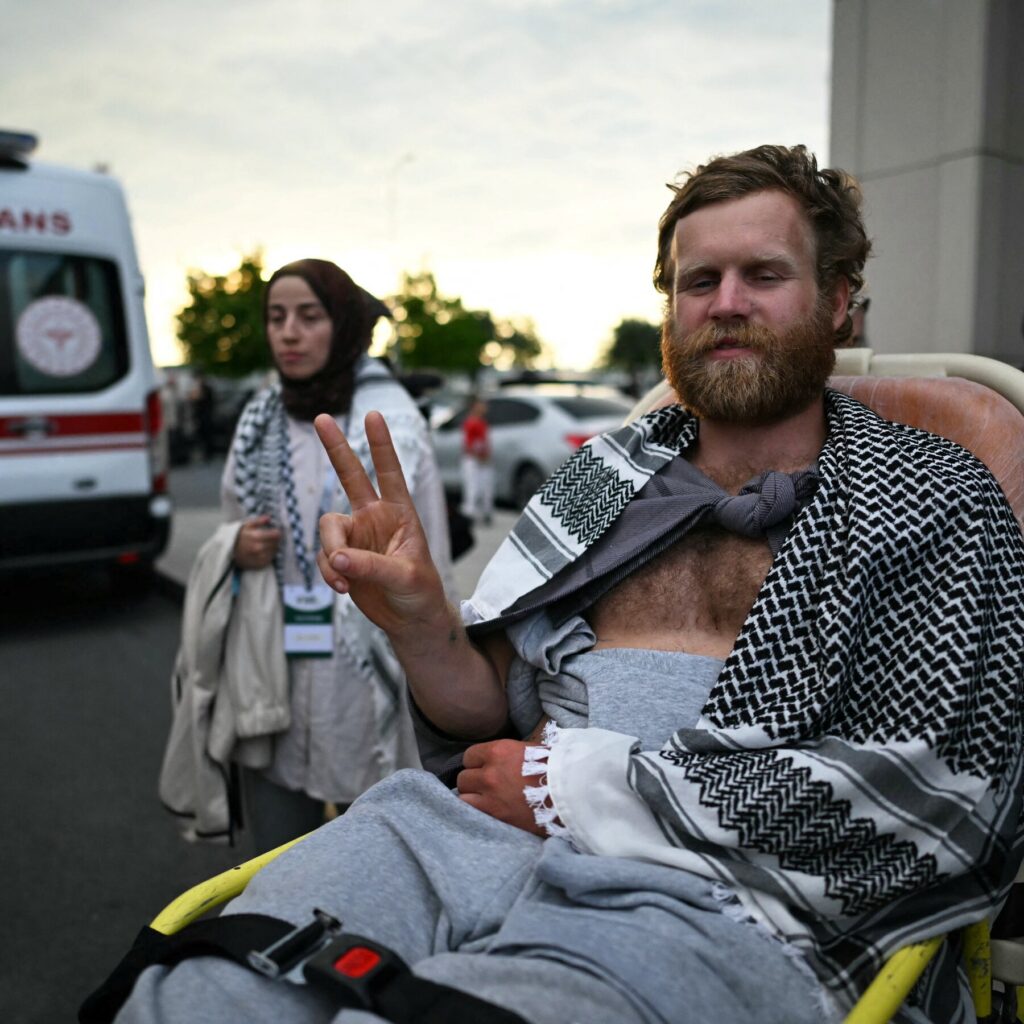
In a recent series of interviews, over twenty activists who attempted to break the Israeli naval blockade of Gaza have come forward with disturbing accounts of physical abuse and mistreatment while in Israeli custody. These allegations include beatings, electric shocks, and other forms of harsh treatment. The Israeli government has categorically denied these claims, setting the stage for a contentious debate about the blockade’s enforcement and the human rights of detainees. This article explores the activists’ testimonies, the Israeli response, and the broader context of the Gaza blockade, shedding light on the complex humanitarian and political issues at stake.
Since 2007, the Gaza Strip has been subjected to a stringent Israeli naval blockade. This blockade aims to prevent the smuggling of weapons and materials that could be used by Hamas and other armed groups for military purposes. While Israel asserts that the blockade is a critical security measure, it has been a source of intense international controversy. Critics argue that the blockade imposes collective punishment on Gaza’s civilian population, severely restricting the flow of goods, medical supplies, and humanitarian aid.
In response to the blockade, activists from various countries have organized flotillas attempting to breach the naval restrictions. These flotillas seek to deliver humanitarian aid and draw global attention to the blockade’s impact. Such efforts have frequently led to confrontations with Israeli naval forces, resulting in the seizure of vessels and detention of participants. These incidents have become symbolic flashpoints in the broader Israeli-Palestinian conflict, highlighting the tension between security concerns and humanitarian advocacy. The repeated attempts by activists underscore the persistent international opposition to the blockade and the desire to challenge its legitimacy through direct action.
More than twenty activists who were intercepted while trying to reach Gaza by sea have provided detailed testimonies describing severe physical abuse after their capture. According to these accounts, detainees experienced beatings, electric shocks, and other forms of harsh treatment during their time in Israeli custody. Some activists reported being blindfolded and tightly handcuffed, subjected to prolonged periods of stress and discomfort.
These descriptions suggest rough handling and potential violations of detainees’ rights under international human rights law. Human rights organizations have expressed deep concern over these allegations, emphasizing the importance of safeguarding the dignity and well-being of all individuals in detention. The activists’ testimonies add to a growing body of reports that question the treatment of those detained under the blockade enforcement, raising urgent questions about compliance with international human rights standards and the need for transparent investigations.
The Israeli government has firmly rejected all allegations of abuse, maintaining that its forces operate in full compliance with international law and uphold high standards of conduct. Israeli officials emphasize that the naval blockade is a necessary security measure designed to protect Israeli citizens from threats posed by militant groups in Gaza.
Israel’s Ministry of Defense has stated that all claims of mistreatment are thoroughly investigated and that the military adheres to strict rules of engagement. The government highlights the challenges posed by activists attempting to breach the blockade, framing these actions as security threats that justify robust enforcement. According to Israeli authorities, detainees are treated humanely and receive appropriate care while in custody. This official stance reflects the broader Israeli narrative that security imperatives necessitate firm measures, even as they acknowledge the sensitivity surrounding detainee treatment.
The allegations of abuse have drawn significant attention from international human rights organizations. Groups such as Amnesty International and Human Rights Watch have previously criticized the blockade and the treatment of detainees, calling for independent investigations into reported abuses and greater transparency from Israeli authorities.
Several governments and international bodies have also expressed concern about the humanitarian impact of the blockade and the treatment of those attempting to challenge it. The blockade remains a contentious issue within the international community, with debates focusing on its legality, humanitarian consequences, and the rights of activists. These concerns underscore the broader complexities of the Israeli-Palestinian conflict and its implications for regional stability and diplomatic relations. The international calls for accountability reflect a growing demand for adherence to human rights norms even amid security challenges.
The activists’ testimonies underscore the significant risks faced by those who seek to challenge the blockade through direct action. While the blockade aims to prevent arms smuggling and enhance Israeli security, it also restricts the movement of goods and people, contributing to economic hardship and humanitarian challenges within Gaza.
The recurring cycle of attempts to breach the blockade, followed by interception and detention, highlights the deep divisions and unresolved conflicts in the region. These incidents fuel international debate about the legality and morality of the blockade, the rights of activists, and the broader quest for peace and security. They also emphasize the urgent need for diplomatic efforts to address the underlying issues driving the conflict and to alleviate the suffering of Gaza’s civilian population. The situation reveals how security policies intersect with human rights concerns, making resolution complex but essential for lasting peace.
The accounts of abuse from activists detained while attempting to breach the Gaza blockade bring renewed scrutiny to the enforcement of this long-standing security measure. While Israel maintains that its actions are lawful and necessary, the allegations raise important questions about detainee treatment and the broader humanitarian impact of the blockade. As the international community continues to grapple with these issues, balancing security concerns with human rights remains a complex and urgent challenge. The situation underscores the need for transparent investigations and dialogue aimed at resolving the underlying conflict and alleviating the suffering of Gaza’s population, highlighting the critical importance of pursuing peace and justice in the region.
Originally reported by nytimes.com. Adapted for our readers with AI assistance.
Keep reading
News
Recall that Poland’s Minister Sikorski’s core claim is partially supported by the numbers, but the framing “quite quickly” and “without the U.S.” does not…
News
By Engr. Tamunofiniarisa BrownReading Time: 6 Minutes The conflict between Russia and Ukraine is often framed in the media as a simple battle between…
World News
Following a tragic crash on the A66 near Middlesbrough that killed two police officers and five young men, Cleveland Police have arrested three more…
TAMFIS NIG LTD
Electrical and instrumentation engineering, bid preparation and consulting, IT and software.