
Travel
Why Young Brits Are Flocking to Japan: Social Media, Affordable Travel, and Cultural Allure
Japan has emerged as a highly sought-after destination for young British travelers, with visitor numbers...
TAMFIS NIG LTDRC 8067447CAC ACTIVEFinima, Bonny Island, Rivers State

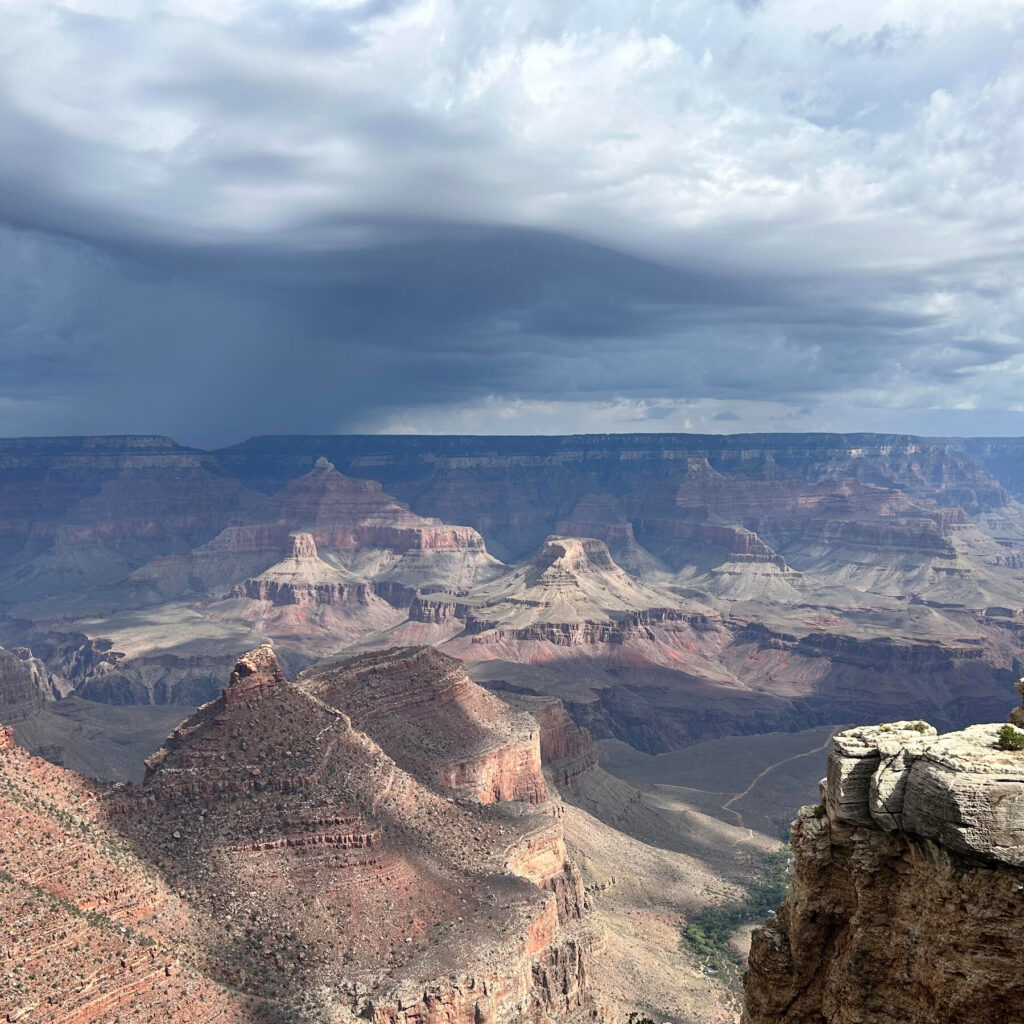
The Grand Canyon, one of America’s most iconic natural landmarks, recently experienced severe flooding that disrupted park operations and prompted extensive search efforts for missing visitors. While much of the park remains closed, officials have begun reopening select areas to the public. This article provides a clear overview of the current situation, what parts of the park are accessible, and important considerations for prospective visitors.
In the wake of unprecedented flooding, the Grand Canyon National Park faced significant challenges. Torrential rains caused flash floods that inundated trails, campsites, and lodging facilities, leading to widespread closures. The flooding not only damaged infrastructure but also created hazardous conditions that necessitated a temporary shutdown of major portions of the park.
Beyond the physical damage, the floods triggered an urgent search for visitors who were reported missing during the storm. Park officials, rescue teams, and volunteers coordinated efforts to locate and assist those affected, underscoring the severity of the situation and the risks posed by extreme weather in such rugged terrain.
In response to these events, the National Park Service took the precautionary step of shutting down hotels and large sections of the park’s terrain to ensure visitor safety while recovery and search operations were underway. These measures highlight the unpredictable nature of flash floods in the canyon and the importance of swift action in emergency situations.
Despite the extensive damage, the National Park Service has announced a phased reopening. Visitors can now enter the park, but with significant limitations. Most hotels and lodges within the park remain closed as repairs continue and safety assessments are ongoing.
Trails and terrain in flood-affected areas are still off-limits to prevent accidents and allow for restoration work. However, some visitor centers and designated viewpoints have reopened, providing opportunities for day visits and limited exploration. It is crucial for visitors to check the official park website or contact park authorities before planning their trip to confirm which areas are accessible.
Transportation within the park is also affected. Shuttle services may be reduced or rerouted, and certain roads could be closed or restricted. Visitors should prepare for potential delays and altered travel plans.
While the park remains partially closed, visitors retain the ability to enter and experience some of its grandeur, albeit with restricted access. This limited reopening balances public interest in visiting the canyon with the necessity of ongoing recovery efforts.
Given the recent floods and ongoing recovery efforts, safety remains a top priority. Visitors are advised to stay informed about weather conditions and heed all warnings issued by park officials. Flash floods can occur suddenly, especially during monsoon season, and can be life-threatening.
Hiking and backcountry activities should be approached with caution. Many trails have been compromised, and unstable terrain may pose risks. It is recommended to stick to designated open areas and avoid venturing into closed or restricted zones.
Visitors should also be prepared with adequate supplies, including water, food, and emergency gear. Cell phone reception can be unreliable in the park, so having a plan for communication and emergencies is essential.
For those planning overnight stays, it is important to verify the status of accommodations and camping sites. Many facilities remain closed, and alternative lodging options outside the park may be necessary.
The recent flooding has highlighted the vulnerability of even the most iconic natural sites to extreme weather events. As climate patterns shift, parks like the Grand Canyon may face increasing challenges related to preservation and visitor safety.
The National Park Service is actively working on restoration and resilience projects to mitigate future flood impacts. This includes repairing damaged infrastructure, improving drainage systems, and enhancing emergency response protocols.
For visitors, these changes may translate to ongoing adjustments in access and amenities over the coming months and years. Staying informed and flexible will be key to enjoying the Grand Canyon safely and responsibly during this recovery period.
The floods also serve as a reminder of the importance of respecting natural forces and preparing adequately when exploring wilderness areas. The Grand Canyon’s awe-inspiring beauty comes with inherent risks that require careful attention and respect.
Before visiting the Grand Canyon, check the official National Park Service website for the latest updates on park conditions, closures, and safety advisories. This will help ensure a smooth and safe experience.
Consider visiting less affected areas or exploring nearby attractions if certain parts of the canyon remain closed. Local tourism offices can provide guidance on alternative activities and accommodations.
Booking accommodations well in advance is advisable, especially given the limited availability within the park. Many visitors may seek lodging in nearby towns such as Flagstaff or Williams.
Pack appropriately for the conditions, including sturdy footwear, sun protection, and sufficient hydration. Weather can be unpredictable, so layering and rain gear are also recommended.
Respect all posted signs and instructions from park personnel. These measures are in place to protect both visitors and the natural environment during this sensitive recovery phase.
The Grand Canyon’s reopening after devastating floods marks a hopeful step toward recovery, but visitors must remain cautious and well-informed. While the park’s breathtaking vistas remain accessible in part, ongoing repairs and safety concerns limit full access. By staying updated on conditions and following safety guidelines, travelers can still experience the grandeur of this natural wonder responsibly. The recent events underscore the importance of preparedness and respect for nature’s power in ensuring that the Grand Canyon remains a treasured destination for generations to come.
Originally reported by nytimes.com. Adapted for our readers with AI assistance.
Keep reading
Travel
Japan has emerged as a highly sought-after destination for young British travelers, with visitor numbers...
Travel
Europe is experiencing unprecedented environmental changes as soaring temperatures, widespread wildfires...
Travel
In 2026, England celebrated the official opening of the King Charles III England Coast Path, a continuou...
TAMFIS NIG LTD
Electrical and instrumentation engineering, bid preparation and consulting, IT and software.