
China’s Deep Blue Aerospace reveals suborbital tourism plans
Top Stories

China’s Deep Blue Aerospace reveals suborbital tourism plans

Top Stories Tamfitronics Render of suborbital tourism systems from Deep Blue Aerospace. Credit: Deep Blue AerospaceHELSINKI — Chinese launch startup Deep Blue Aerospace targets providing suborbital tourism flights starting in 2027.Deep Blue Aerospace is currently developing its Nebula-1 reusable orbital rocket and is preparing for a new vertical takeoff, vertical landing (VTVL) test in November. A full orbital flight and recovery is planned for 2025. The company lost a first stage in the final moments of a 179-second VTVL test flight in September.While looking to secure contracts for satellite launches, Deep Blue Aerospace will soon look to space tourism.“After the Nebula-1 rocket will undergo multiple recovery and reuse tests in 2025, the Deep Blue Aerospace crew spacecraft-rocket combination will also undergo dozens of tests in 2026 to ensure the safety and reliability of suborbital manned...
Continue reading
Blue Origin conducts first flight of second human-rated New Shepard
Top Stories

Blue Origin conducts first flight of second human-rated New Shepard

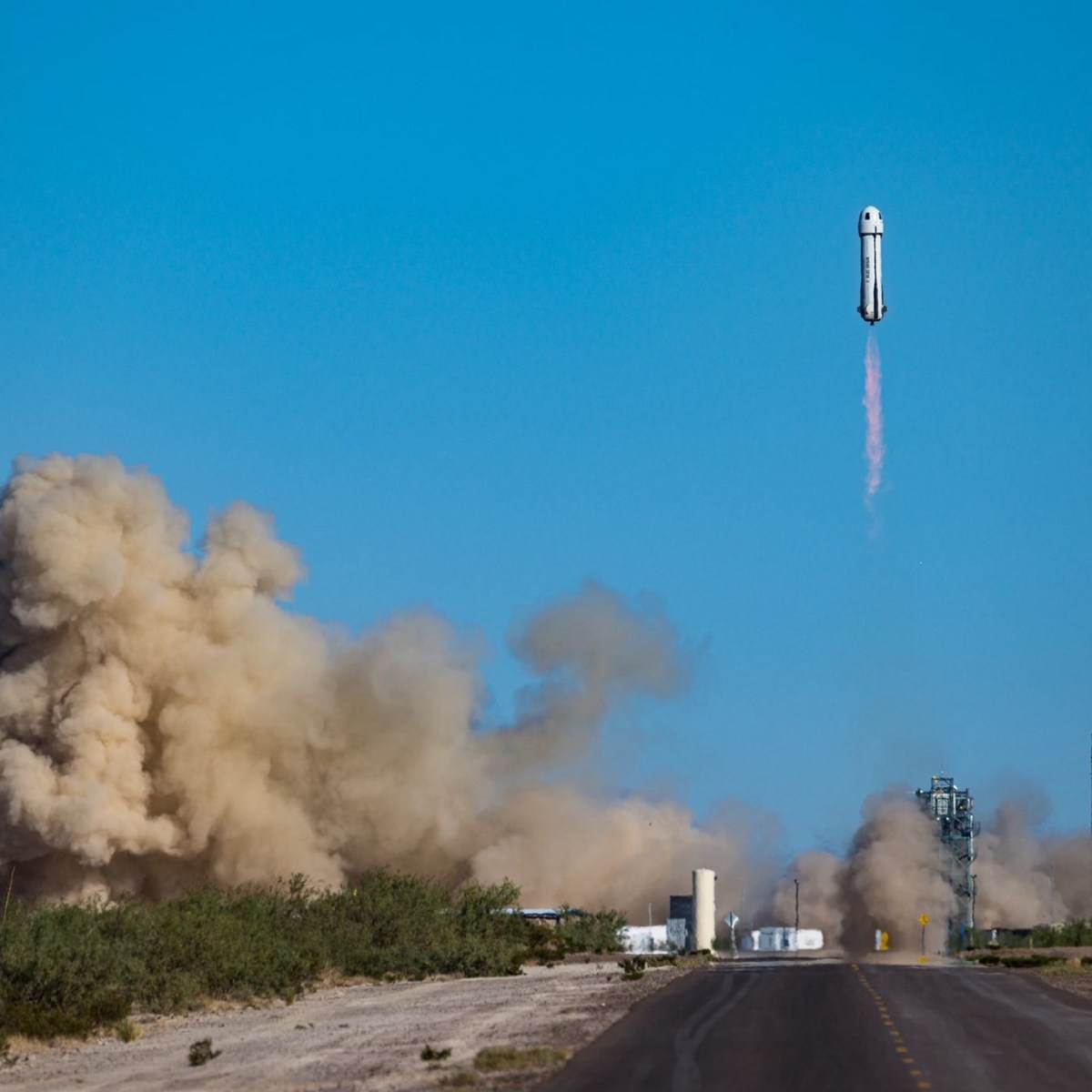
Top Stories Tamfitronics WASHINGTON — Blue Origin carried out the first flight of a new model of its New Shepard suborbital vehicle Oct. 23, a mission the company called “nominal and on target” despite going to a slightly lower altitude than past flights.The uncrewed NS-27 mission lifted off from Blue Origin’s Launch Site One in West Texas at 11:26 a.m. Eastern. The company had scrubbed an initial launch attempt Oct. 7 for unspecified technical issues that could not be resolved before the launch window closed, and Blue Origin called off a second attempt Oct. 13 “to troubleshoot a GPS issue.”Unlike past New Shepard flights, the company did not publicly release statistics about the flight, including peak altitude and speed. The webcast of the flight followed the booster, not the capsule, after separation, showing it appear...
Continue reading
Boeing losses on Starliner increase by $250 million
Top Stories

Boeing losses on Starliner increase by $250 million

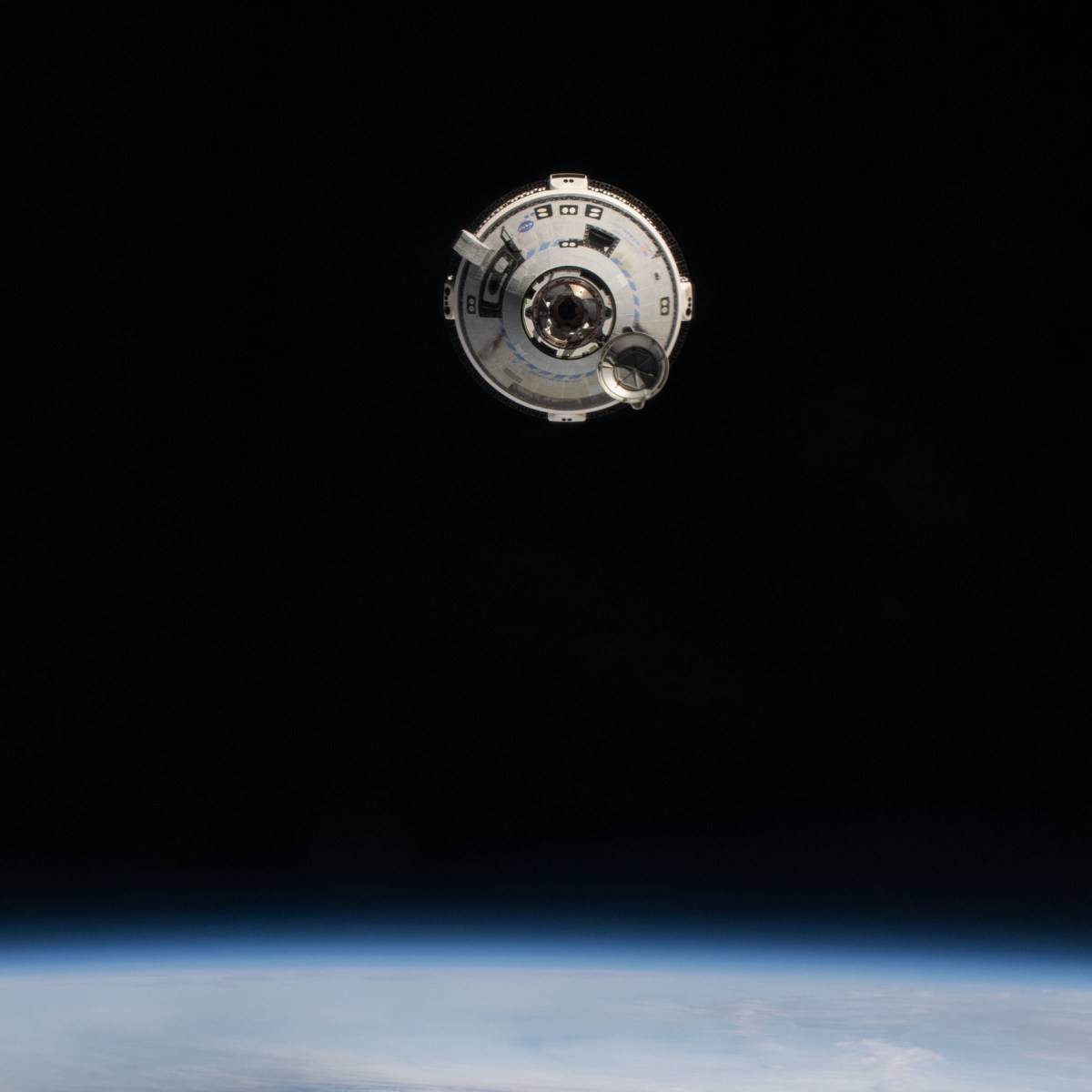
Top Stories Tamfitronics Boeing's CST-100 Starliner approaching the ISS before docking on the Crew Flight Test mission June 6. Credit: NASAWASHINGTON — Boeing is taking another charge against earnings of $250 million on its CST-100 Starliner commercial crew program as the company’s new leader vowed it will not walk away from troubled programs like it.In a filing with the U.S. Securities and Exchange Commission Oct. 23, Boeing disclosed it took the charge in its fiscal third quarter “primarily to reflect schedule delays and higher testing and certification costs.” This is in addition to a $125 million loss the company recorded in the second quarter.The company had warned Oct. 11 that it would take a total of $2 billion in charges in the third quarter on four fixed-price programs in its Defense, Space and Security, or...
Continue reading
SES-Intelsat combination’s far-reaching impact on deal-making
Top Stories

SES-Intelsat combination’s far-reaching impact on deal-making

Top Stories Tamfitronics Armand Musey, a satellite industry analyst and founder of Summit Ridge Group, speaking at Satellite Innovation Oct. 22 in Mountain View, California. Credit: Satellite Innovation 2024 webcastTAMPA, Fla. — The ripples from Intelsat’s $3.1 billion sale to rival satellite operator SES are disrupting and delaying deals for suppliers and other companies further downstream, according to finance experts on an Oct. 22 Satellite Innovation panel.“Intelsat and SES are the two largest geostationary satellite operators in the world,” noted Armand Musey, a satellite industry analyst and founder of Summit Ridge Group, driving a large portion of satellite manufacturing and launch orders.“And so those markets have come under pressure,” he continued, affecting “some of the downstream suppliers to each of those players, and suppliers to those suppliers.“I mean, the ripple effect downstream is enormous.”Suppliers risk...
Continue reading