An International Space Station Leak Is Getting Worse—and Keeping NASA Up at Night
Science & Technology

An International Space Station Leak Is Getting Worse—and Keeping NASA Up at Night

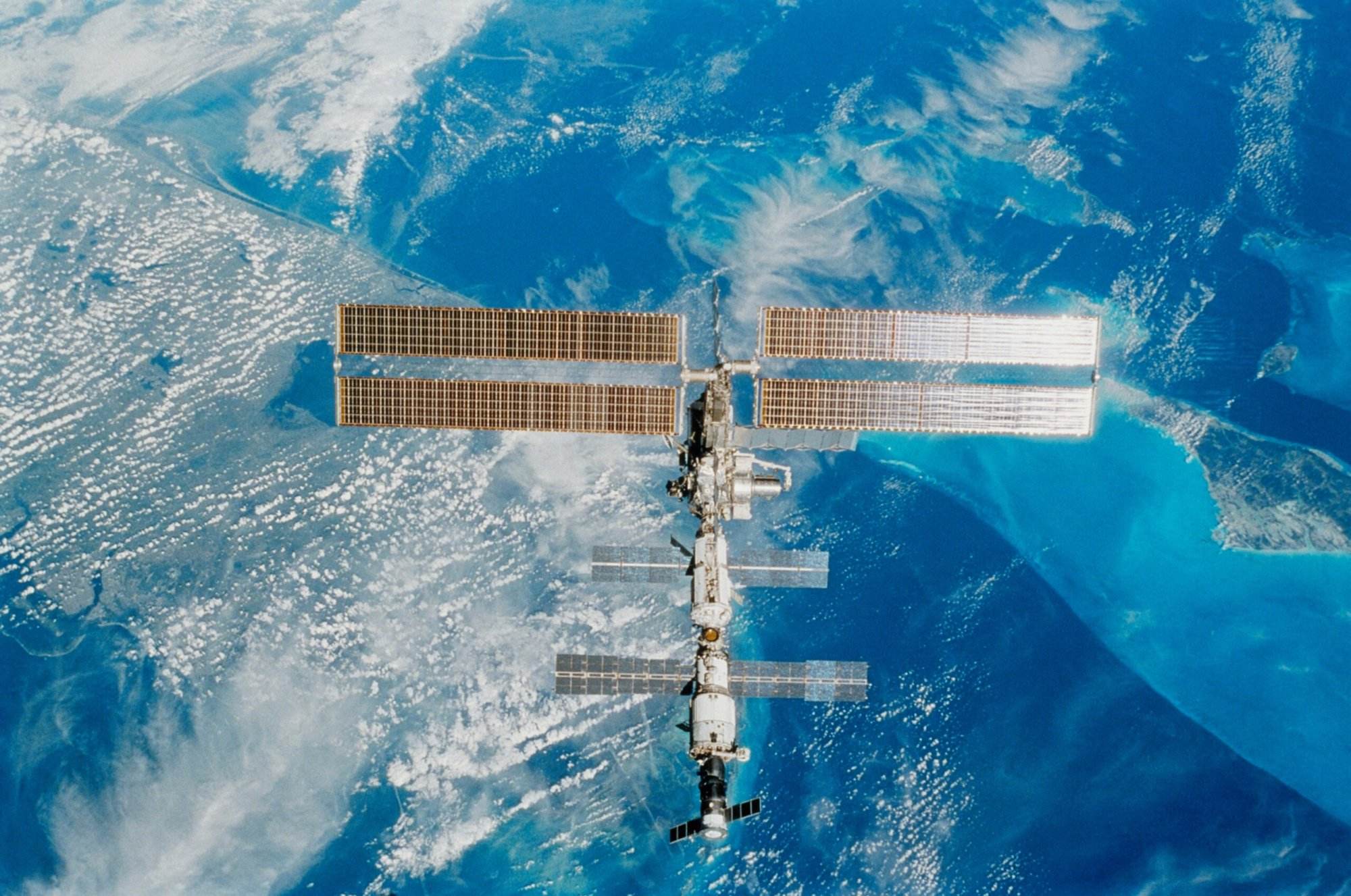
NASA Space Technology US space officials do not like to talk about the perils of flying astronauts on the aging International Space Station, elements of which are now more than a quarter of a century old.However, a new report confirms that NASA managers responsible for operating the space station are seriously concerned about a small Russian part of the station, essentially a tunnel that connects a larger module to a docking port, which is leaking.Russian and US officials have known that this small PrK module, which lies between a Progress spacecraft airlock and the Star module, has been leaking since September 2019. A new report, published Thursday by NASA's inspector general, provides details not previously released by the space agency that underline the severity of the problem.NASA Space Technology New Details About the LeakFor example,...
Continue reading
What to Know About the Leak at the International Space Station: ‘A Top Safety Risk’
Science & Technology

What to Know About the Leak at the International Space Station: ‘A Top Safety Risk’

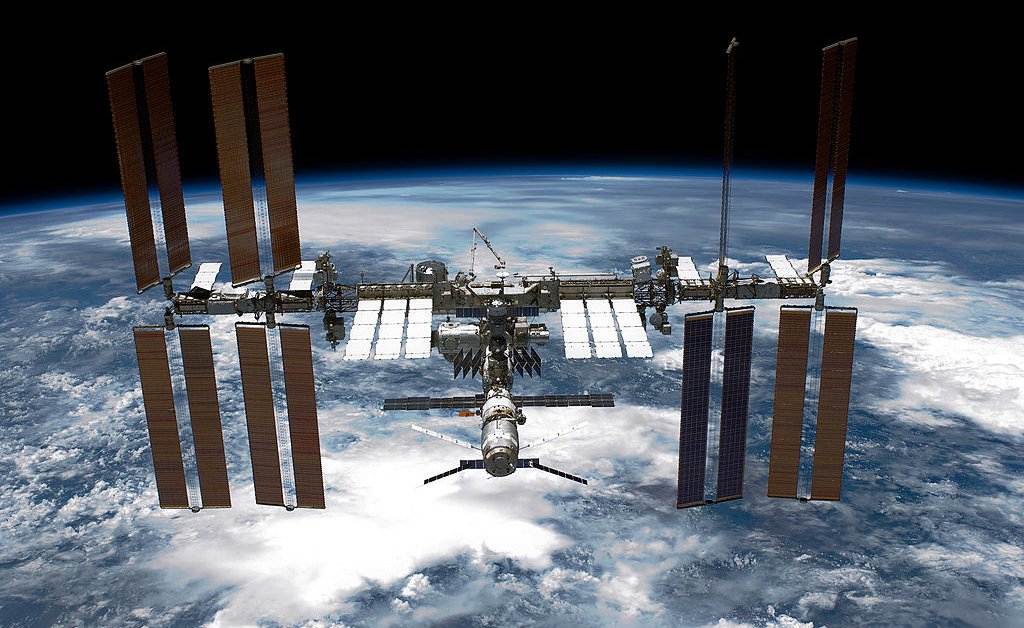
NASA Space Technology ScienceSpaceWhat to Know About the Leak at the International Space Station: ‘A Top Safety Risk’September 28, 2024 3:36 PM EDTA new report from NASA details how ongoing air leaks at the International Space Station (ISS) are “a top safety risk.” The report, published from NASA’s Office of Inspector General on Sept. 26 and signed by Deputy Inspector General George A. Scott, states the leak is in a tunnel connecting the ISS’ Russian segment to a docking port. Per the report, NASA and Russia’s space agency Roscosmos are continuing to “work together to address structural issues with the Russian Service Module Transfer Tunnel."“According to NASA, Roscosmos is confident they will be able to monitor and close the hatch to the Service Module prior to the leak rate reaching an untenable level," the report...
Continue reading
Weird striped rock ‘unlike any seen on Mars’ found by Perseverance rover.  Here’s why NASA’s excited
Science & Technology

Weird striped rock ‘unlike any seen on Mars’ found by Perseverance rover. Here’s why NASA’s excited

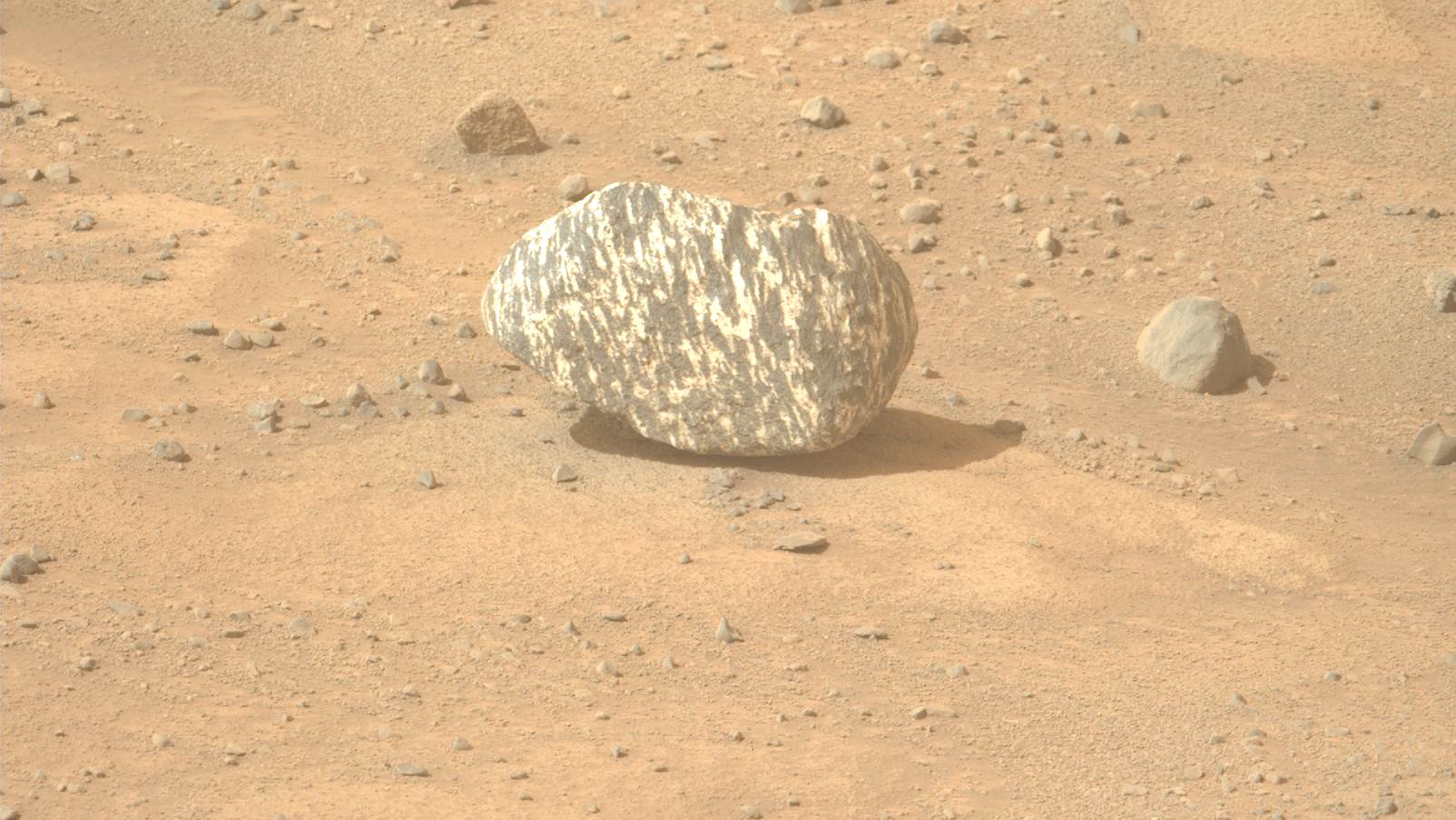
NASA Space Technology The Mount Washburn boulder field imaged earlier this year, with the bright rock Atoko Point near the middle.(Image credit: NASA/JPL–Caltech/ASU)A striped rock that looks out of place in its surroundings on the slopes of the inner wall of Jezero crater has scientists excited about what it may reveal about the Red Planet's history.NASA's Perseverance Mars rover spotted the striped rock, and the rover's initial measurements suggest it could be volcanic in origin. The rock, which has been nicknamed 'Freya Castle,' may originate from an outcropping of more of this strange material further up the slopes of Jezero.Freya Castle looks quite unlike any rock seen on Mars before. But Perseverance could not stick around at Freya Castle to examine it for long before continuing its journey up the inner wall of the mighty...
Continue reading
Leidos replaces Lockheed Martin on Artemis rover team
Science & Technology

Leidos replaces Lockheed Martin on Artemis rover team

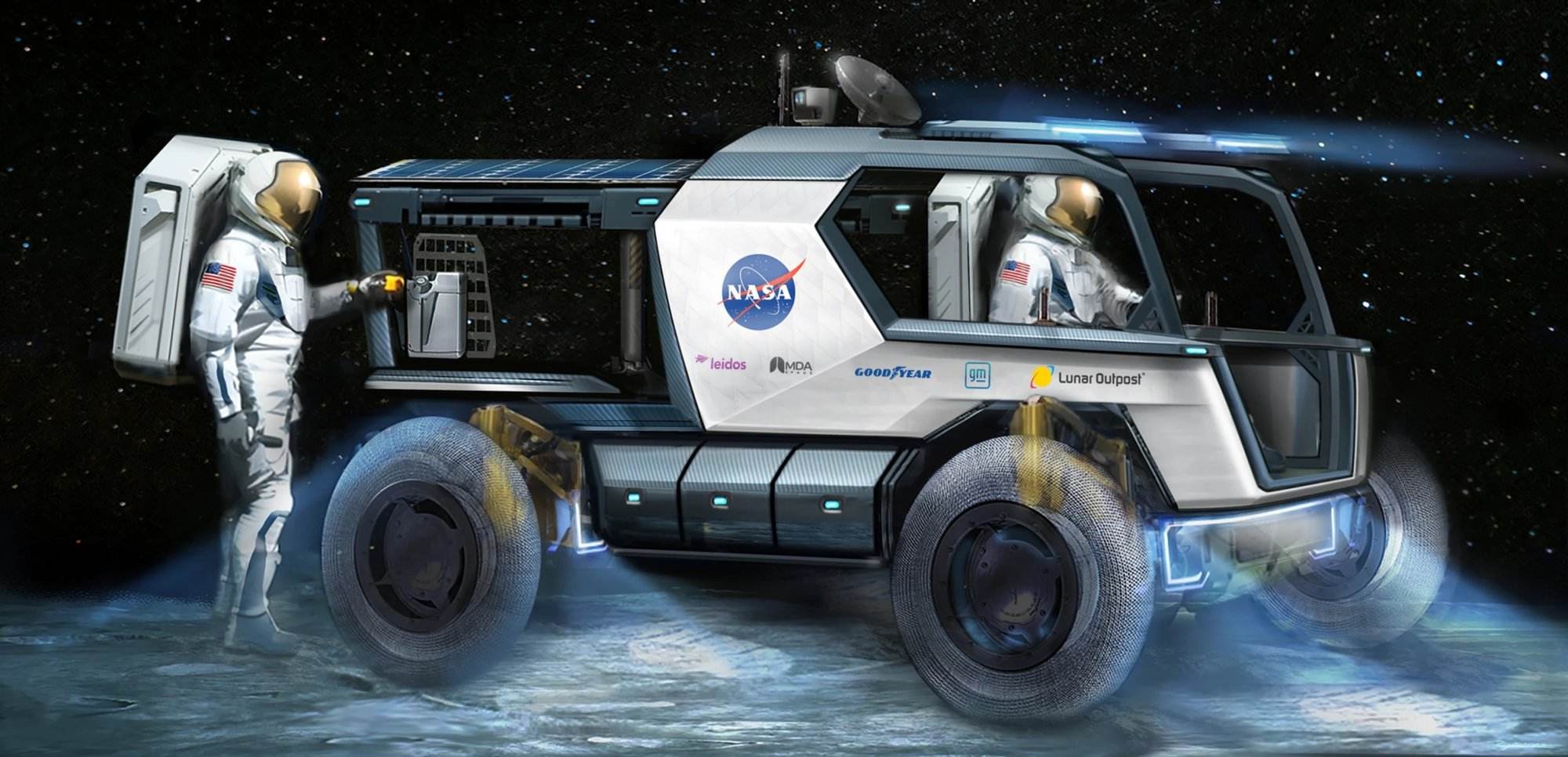
NASA Space Technology Lunar Outpost has revised the design of the Lunar Dawn rover it is developing for NASA after Lockheed Martin left the team working on it. Credit: Lunar OutpostWASHINGTON — Lunar Outpost, one of three companies that won NASA contracts earlier this year to begin design work on Artemis lunar rovers, has added Leidos to its team after parting ways with Lockheed Martin.Colorado-based Lunar Outpost announced Sept. 24 that Leidos had joined its Lunar Dawn team that is designing a rover for NASA’s Lunar Terrain Vehicle (LTV) Services program. Lunar Outpost was one of three companies, alongside Astrolab and Intuitive Machines, selected for contracts by NASA in April for the first phase of the program.Leidos will provide its expertise in human factors as well as areas like mission assurance and systems engineering. “Astronaut...
Continue reading