NASA Invites Media to Discuss Exploration Science Program Update
Science & Technology

NASA Invites Media to Discuss Exploration Science Program Update

NASA Space Technology Tiernan P. DoyleJul 16, 2024NASA will hold a media teleconference at 4 p.m. EDT, Wednesday, July 17, to provide an update on a program within NASA’s Exploration Science Strategy and Integration Office.Audio of the teleconference will stream live on the agency’s website at:https://www.nasa.gov/nasatvParticipants in the teleconference include:Nicola Fox, associate administrator, Science Mission Directorate, NASA HeadquartersJoel Kearns, deputy associate administrator for exploration, Science Mission Directorate, NASA HeadquartersTo ask questions during the teleconference, media must RSVP no later than two hours before the event to Erin Morton at: erin.morton@nasa.gov. NASA’s media accreditation policy is available online.The Exploration Science Strategy Integration Office in NASA’s Science Mission Directorate ensures science is infused into all aspects of lunar exploration. Through researching the Moon and its environment, and by using the Moon as an observation platform, NASA strives...
Continue reading
NASA Ships Moon Rocket Stage Ahead of First Crewed Artemis Flight
Science & Technology

NASA Ships Moon Rocket Stage Ahead of First Crewed Artemis Flight

NASA Space Technology NASA rolled out the SLS (Space Launch System) rocket’s core stage for the Artemis II test flight from its manufacturing facility in New Orleans on Tuesday for shipment to the agency’s spaceport in Florida. The rollout is key progress on the path to NASA’s first crewed mission to the Moon under the Artemis campaign.Using highly specialized transporters, engineers maneuvered the giant core stage from inside NASA’s Michoud Assembly Facility in New Orleans to the agency’s Pegasus barge. The barge will ferry the stage more than 900 miles to NASA’s Kennedy Space Center in Florida, where engineers will prepare it in the Vehicle Assembly Building for attachment to other rocket and Orion spacecraft elements.“With Artemis, we’ve set our sights on doing something big and incredibly complex that will inspire a new generation, advance...
Continue reading
NASA Deputy Administrator Holds First Bilateral Engagement with KASA
Science & Technology

NASA Deputy Administrator Holds First Bilateral Engagement with KASA

NASA Space Technology Dacia MassengillJul 16, 2024NASA Deputy Administrator Pam Melroy conducted the first bilateral meeting on Monday with Dr. Young-bin Yoon, administrator of the newly established KASA (Korea AeroSpace Administration), which opened on May 27. The creation of KASA underscores the Republic of Korea’s commitment to advancing space exploration.The bilateral meeting marks a pivotal moment for a NASA’s relationship with KASA, building upon decades of bilateral ties with several Korean ministries and institutions. Melroy emphasized enhancing cooperation under the Artemis program and expanding science collaboration during discussions with Yoon. Looking ahead, NASA and KASA are exploring a wide range of opportunities and fostering innovation in new areas.Over the past year, the U.S.-Korea space relationship has seen significant progress, highlighted by increased engagements and collaborative initiatives across various space disciplines. These efforts include sharing data...
Continue reading
NASA Celebrates 20 Years of Earth-Observing Aura Satellite
Science & Technology

NASA Celebrates 20 Years of Earth-Observing Aura Satellite

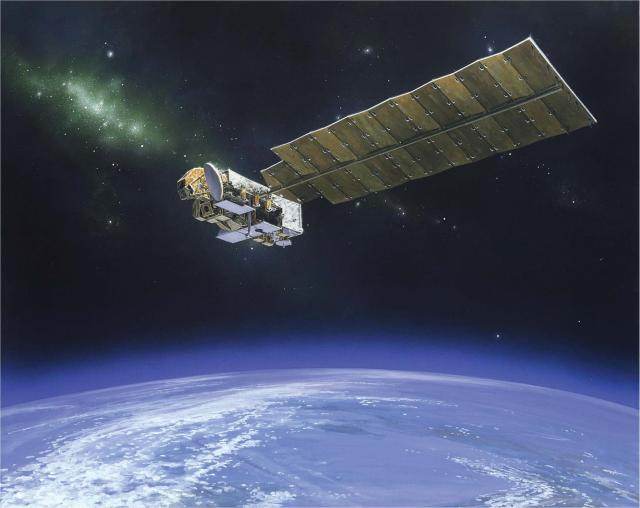
NASA Space Technology The Aura spacecraft, shown in this artist’s concept, is a NASA atmospheric chemistry mission that monitors Earth’s protective atmosphere. From monitoring the hole in the ozone above the Antarctic to studying air quality around the entire planet, NASA’s Aura satellite has provided scientists with essential measurements during its two decades in orbit.“The Aura mission has been nothing short of transformative for scientific research and applied sciences,” said Bryan Duncan, project scientist for NASA’s Aura satellite mission. “The mission’s data have given scientists and applied scientists an unparalleled view of air pollution around the world.”Aura has revealed the effects of industrialization, environmental regulations, wildfires, the COVID-19 pandemic, and many other aspects of the air we breathe. The satellite paved the way for recent missions to study the atmosphere and its inner workings, including...
Continue reading