
Blue Origin scrubs New Glenn’s second flight due to bad weather
Science & Technology

Blue Origin scrubs New Glenn’s second flight due to bad weather

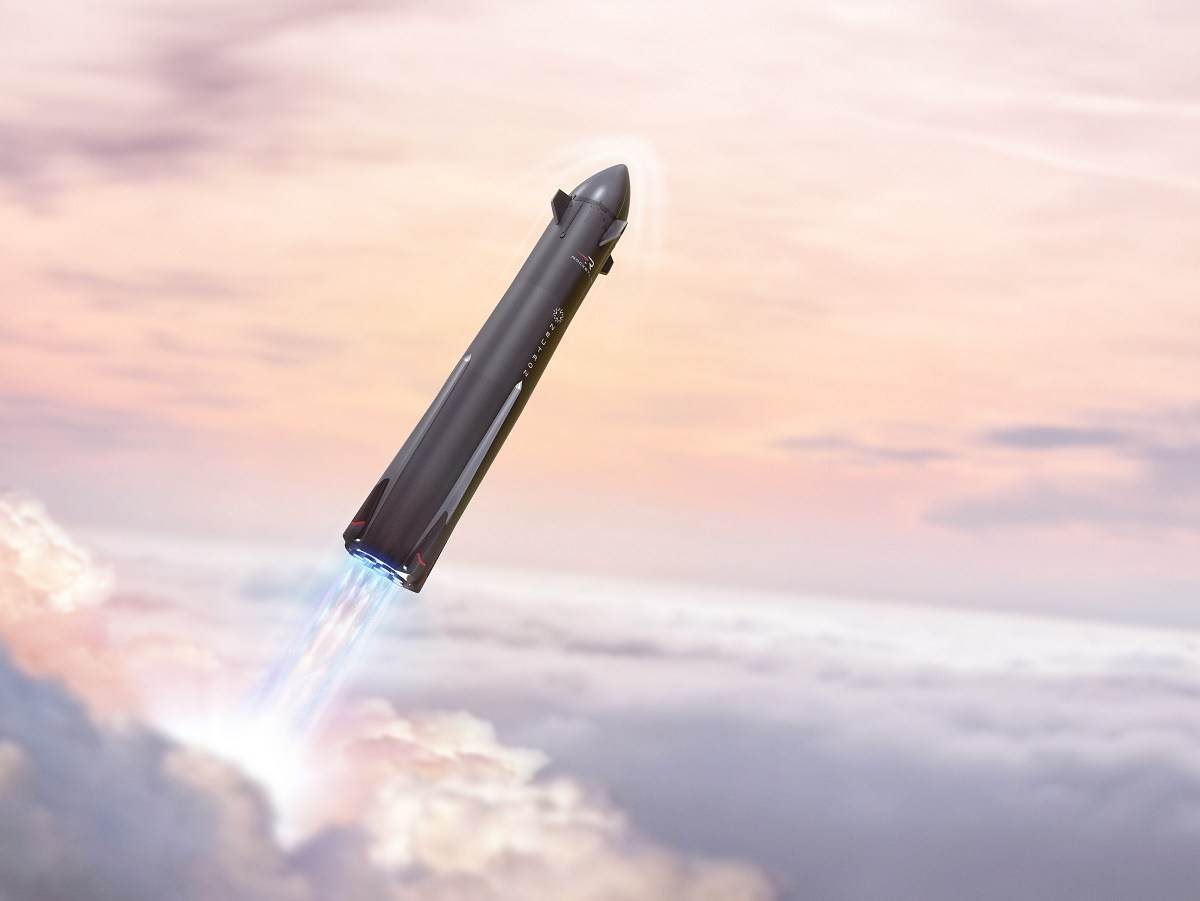
Blue Origin has postponed the second flight of its New Glenn rocket, which was slated to send a pair of NASA spacecraft on the first step of their journey to Mars on Sunday afternoon. The heavy-lift launch vehicle was scheduled to take off from Cape Canaveral Space Force Station in Florida at 2:45PM ET., but multiple holds were issued during the under-two-hour launch window due to inclement weather. Blue Origin called off the launch attempt around 4:13PM. The next launch opportunity is as yet unclear. Blue Origin was previously given a backup opportunity set for Monday afternoon, but the FAA has since issued an emergency order restricting commercial launches for the time being due to the government shutdown. As of November 10, commercial space launches can only take place between 10:00PM and 6:00AM. Blue Origin said...
Continue reading
NASA awards Rocket Lab study contract for Mars Sample Return
Science & Technology

NASA awards Rocket Lab study contract for Mars Sample Return

NASA Space Technology WASHINGTON — NASA has awarded a contract to Rocket Lab to study alternative concepts for Mars Sample Return (MSR), joining several other efforts to improve the cost and schedule of the program.Rocket Lab said Oct. 7 that it received a contract to study what it called “a simplified, end-to-end mission concept” for MSR that would deliver samples being collected by the Perseverance rover to Earth for a “fraction” of currently projected costs, estimated to be as high as $11 billion, and several years earlier than 2040.NASA solicited concepts for industry studies to look at alternative architectures for MSR or key elements of it, like the Mars Ascent Vehicle (MAV) rocket that will launch the collected samples into orbit around Mars. NASA selected seven companies in June for those studies, but Rocket Lab...
Continue reading
‘I think it was hard not to watch that rocket lift off without thinking, That’s my rocket and that’s my crew.’ How the NASA astronauts bumped from SpaceX’s Crew-9 watched their ride launch without them
Science & Technology

‘I think it was hard not to watch that rocket lift off without thinking, That’s my rocket and that’s my crew.’ How the NASA astronauts bumped from SpaceX’s Crew-9 watched their ride launch without them

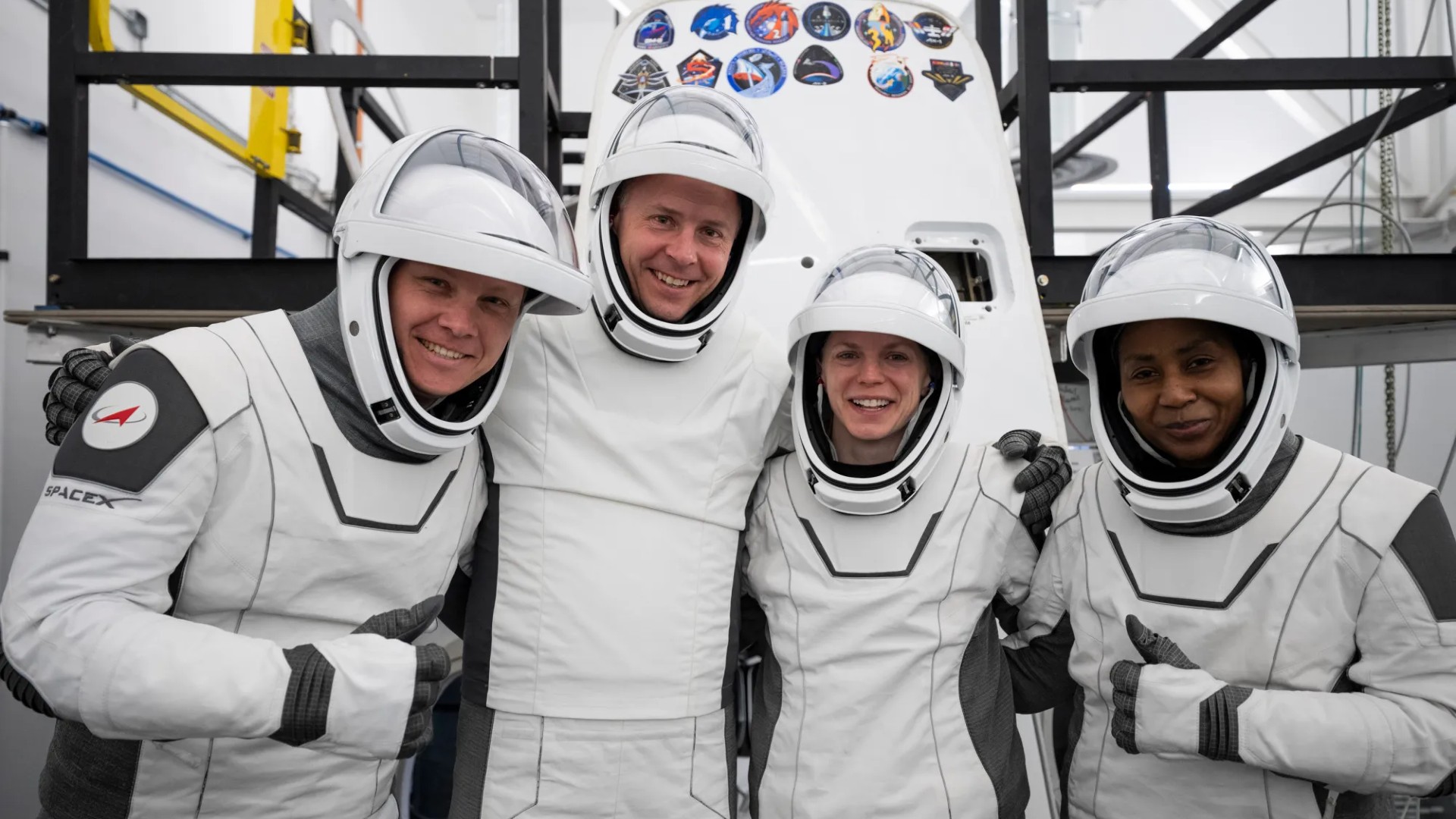
NASA Space Technology Two astronauts who were supposed to be in space right now say they are still glad to be part of the ground team.Until recently, NASA astronauts Zena Cardman and Stephanie Wilson were assigned to SpaceX's Crew-9 mission. But their Crew Dragon spacecraft left without them on Saturday (Sept. 28) after their seats had to be reassigned in August to bring home two other NASA astronauts currently living on the International Space Station (ISS)."I think it was hard not to watch that rocket lift off without thinking, 'That's my rocket and that's my crew,'" Cardman said during the launch broadcast on NASA+, formerly NASA Television, of the Crew-9 astronauts who did leave Earth: NASA's Nick Hague and Aleksandr Gorbunov of the Russian space agency Roscosmos."It makes me feel very connected to this...
Continue reading
NASA Rocket Discovers New Energization Process in Upper Atmosphere
Science & Technology

NASA Rocket Discovers New Energization Process in Upper Atmosphere

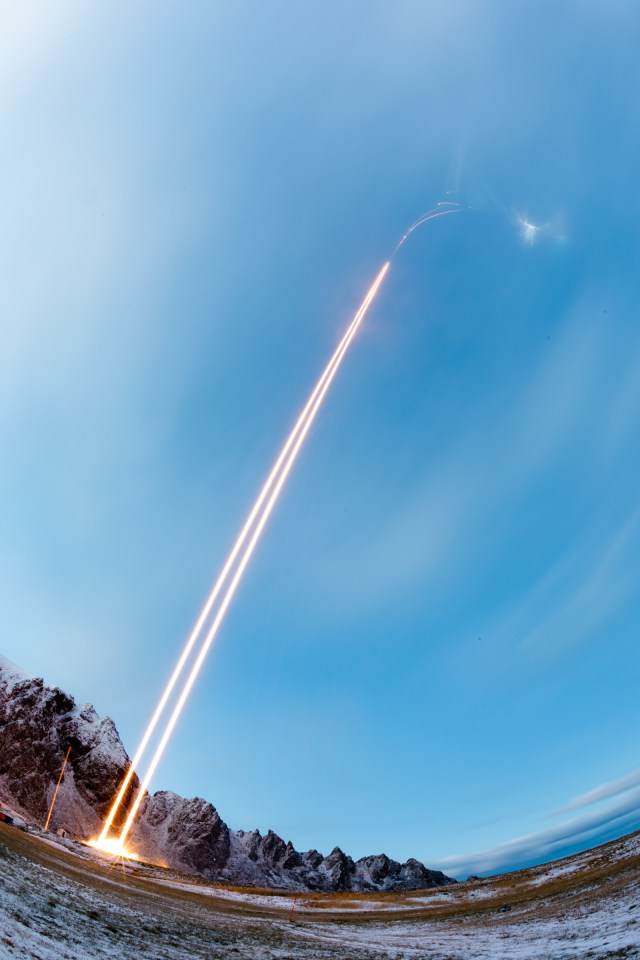
NASA Space Technology When it comes to discoveries about our upper atmosphere, it pays to know your surroundings.Using data from the Twin Rockets to Investigate Cusp Electrodynamics (TRICE-2) rocket launch, NASA scientist Francesca Di Mare and Gregory Howes from the University of Iowa studied waves traveling down Earth’s magnetic field lines into the polar atmosphere. These waves were known to accelerate electrons, which pick up speed as they “surf” along the electric field of the wave. But their effect on ions — a more heterogenous group of positively charged particles, which exist alongside electrons — was unknown.By estimating the ion mixture they were flying through — predominantly protons and singly-charged oxygen ions — the scientists discovered that these waves were accelerating protons as they circle about the Earth’s magnetic field lines as well as electrons...
Continue reading