
Editor’s note: The following is AI-generated commentary and context on this topic, not original reporting.
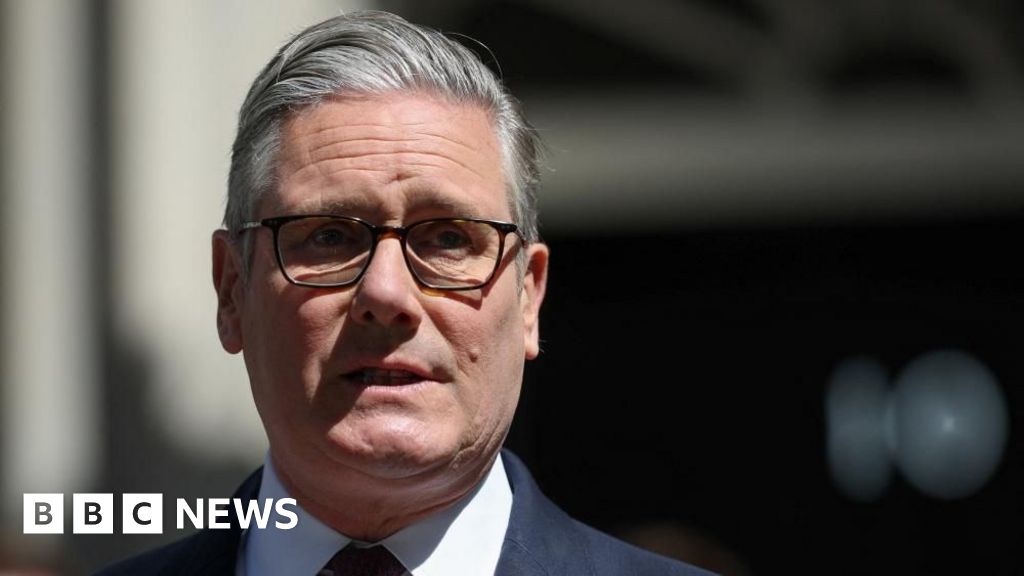
Watch: Sir Keir Starmer’s last speech as prime minister in full is one of the developments that has followed the change of leadership at 10 Downing Street, and it illustrates the scale of the in-tray facing the new government.
Watch: Sir Keir Starmer’s last speech as prime minister in full sits at the heart of a fast-moving period in British politics, where a change of prime minister has reset the terms of debate on almost every major policy area.
In the specific case of “Watch: Sir Keir Starmer’s last speech as prime minister in full,” the details below place the story in a wider frame rather than repeating claims that have not been independently verified.
A change of prime minister in the UK typically triggers a wave of policy reviews, as an incoming leader seeks to distinguish their government’s priorities from their predecessor’s while still working within the constraints of existing legislation, departmental budgets and civil service capacity.
Public expectations after a leadership change tend to be high, particularly around cost-of-living pressures, public services and questions of fiscal responsibility, all of which are frequently in tension with one another.
Cabinet reshuffles and early policy announcements are closely watched as indicators of a new administration’s priorities. Commentators and opposition parties alike scrutinise the language used in first speeches and early statements for signs of continuity or departure from previous governments.
The machinery of Whitehall means that even popular policy commitments can take considerable time to translate into legislation, funding allocations and implementation on the ground.
Why It Matters
Early decisions made by a new government tend to set the tone for how it will be judged over the following months and years. Voters, opposition parties and the media alike look to these initial moves as signals of governing style, priorities and credibility, particularly on issues like the cost of living that directly affect households.
Who Is Affected
- Households directly affected by cost-of-living and public service policy.
- Civil servants responsible for turning announcements into implementable policy.
- Opposition parties and backbenchers, who will use this as a point of political contrast.
- Businesses and investors, who weigh policy stability when making decisions.
Factors Shaping the Government’s Approach
- The state of the public finances inherited from the previous administration.
- Polling and public opinion on cost-of-living and public service priorities.
- The parliamentary arithmetic and the government’s working majority.
- Pressure from within the governing party over the pace and direction of reform.
Reaction and Context
Political reaction to government announcements typically splits along familiar lines, with the governing party emphasising delivery and urgency, and opposition parties questioning funding, feasibility or the speed of implementation. Independent commentators and think tanks often provide additional analysis on the practical and fiscal implications.
- Government ministers typically frame new measures as a direct response to public concerns.
- Opposition politicians often question the costing and long-term sustainability of new commitments.
- Independent economists and policy analysts tend to weigh the announcement against the wider state of public finances.
The Bigger Picture for the Government
How this specific announcement is received will likely feed into the broader narrative the public and media build around the new government’s competence and priorities. Governments are often judged not just on individual policies but on the coherence of their overall programme, and early missteps or successes can shape perceptions that prove difficult to reverse later in a parliamentary term. Civil servants and departmental officials will also be working through the practical detail of implementation, a process that rarely receives the same level of public attention as the initial announcement but that ultimately determines whether a policy delivers its intended effect.
Long-Term Considerations
Over a longer horizon, the credibility of any government’s economic and social policy programme is typically judged by outcomes rather than announcements: whether living standards improve, whether public services function reliably, and whether fiscal commitments prove sustainable. Those judgements tend to solidify over years rather than the weeks immediately following any single announcement.
Understanding the Wider Policy Debate
Individual government announcements are best understood as part of a much longer-running debate about the size and role of the state, the sustainability of public finances, and the trade-offs between taxation, borrowing and spending. Independent fiscal watchdogs and economic commentators continue to scrutinise these trade-offs closely, and their analysis is often a useful complement to the political framing offered by government and opposition alike.
Outlook
The credibility of any new government’s early agenda is generally tested not by the announcements themselves but by follow-through: whether commitments are funded, whether timelines are met, and whether the promised benefits are felt by the households and communities the policies are aimed at. That process typically unfolds over months rather than days, and it is likely to remain a focus of political and media scrutiny for some time.
What Happens Next
The coming weeks are likely to bring further detail on implementation, funding and timelines, as well as continued scrutiny from Parliament, the media and independent watchdogs over whether the government’s stated ambitions translate into concrete outcomes.
How Policy Announcements Are Usually Tested
New government commitments are typically tested in three stages: initial announcement, detailed legislative or budgetary follow-through, and eventual delivery on the ground. Independent bodies such as the Office for Budget Responsibility and various parliamentary committees often play a significant role in scrutinising whether the numbers behind a given policy add up.
A Note on This Coverage
This piece provides background and analysis rather than original political reporting, so specific policy figures, quotes from ministers, and procedural detail are left to primary parliamentary and press sources. Hansard, official government publications and established political journalism remain the most reliable references for exact statements and figures.
In Short
Watch: Sir Keir Starmer’s last speech as prime minister in full is, at its core, a story about how a specific event connects to larger, ongoing questions in its field. The details above are offered as background rather than a substitute for primary reporting, and readers wanting the fullest, most current picture should keep an eye on official statements and established news coverage as the story continues to unfold in the days ahead.
For now, Watch: Sir Keir Starmer’s last speech as prime minister in full stands as a snapshot of a moment that is still unfolding, and it is one worth revisiting as further details come to light. It is a useful illustration of how quickly a single event can generate wider debate about the issues surrounding it.
As with most stories of this kind, the full picture will likely become clearer with time, as more information emerges and the immediate reaction gives way to more considered analysis. Readers who want to follow the story closely should expect further updates as circumstances develop and official responses are issued.
Ultimately, how this story is remembered will depend on what follows in the days and weeks ahead, and readers are encouraged to look out for further reporting as the situation develops. Context like this is often just as important as the headline itself in understanding what actually happened and why it matters.