News
RUSSIA versus NATO and BRICS vs. NATO Military SWOT
Recall that Poland’s Minister Sikorski’s core claim is partially supported by the numbers, but the framing “quite quickly” and “without the U.S.” does not…
TAMFIS NIG LTDRC 8067447CAC ACTIVEFinima, Bonny Island, Rivers State

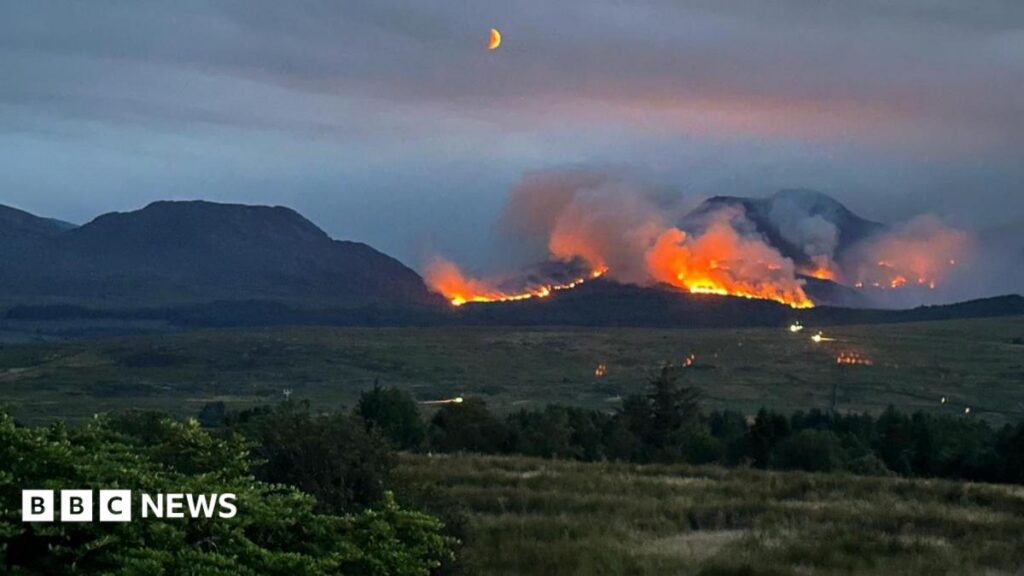
Wales is grappling with an unprecedented wave of wildfires spreading across both northern and southern regions. The Welsh government has declared a state of crisis management in response to the escalating situation. While ground firefighting teams are working tirelessly, the lack of available aerial firefighting resources such as helicopters has drawn criticism from residents and environmental advocates. This article examines the current wildfire situation in Wales, the government’s response, the challenges posed by the absence of aerial support, and the implications for future wildfire management.
Multiple wildfires have erupted across Wales, affecting diverse landscapes from the mountainous regions of Trawsfynydd and Rhinogydd to grasslands near Wrexham and the industrial town of Blaenavon. Some fires have persisted for several days, with the blaze near Blaenavon entering its third day, sending smoke plumes up to 30 miles away and impacting air quality in surrounding communities.
The scale of these fires has prompted widespread concern among residents, many of whom have reported distress over the intensity and duration of the blazes. In particular, the fire near Trawsfynydd has drawn attention due to its spread into Coed y Brenin forest in Conwy county, prompting a petition with over 4,000 signatures calling for aerial firefighting assistance.
In light of the widespread fires, the Welsh government has activated 'crisis management arrangements' to coordinate a multi-agency response. This includes the deployment of additional ground resources such as extra fire crews and equipment to the most affected areas, notably in North Wales where the North Wales Fire and Rescue Service has received reinforcements.
Welsh government officials have emphasized the dedication and skill of firefighters combating the blazes on the ground. Minister Sian Gwenllian acknowledged the ongoing challenges, noting that the Blaenavon fire is expected to continue for several days. She also confirmed that extra staff and fire appliances have been allocated to support firefighting efforts in northern regions.
A significant point of contention has been the unavailability of aerial firefighting support across the UK, including Wales. Helicopters, which can access remote and rugged terrain to drop water or fire retardant directly onto critical fire zones, have not been deployed due to a lack of available resources nationwide.
This gap has led to public frustration and calls for urgent action. Ecologist Angharad Owen, who initiated the petition for aerial assistance, highlighted the effectiveness of helicopters in swiftly managing wildfires, especially in challenging landscapes like the Rhinogydd mountains. She stressed the environmental damage caused by prolonged fires and the risks posed to human health and safety.
The Welsh government has indicated that urgent discussions are underway at both the Welsh and UK government levels to explore solutions for securing aerial support in the future.
Firefighters continue to tackle wildfires using ground-based methods, which remain the primary strategy in Wales. Crews are working in difficult conditions, often in remote and rugged areas, to contain and extinguish fires. This includes managing blazes near Capelulo, Sychnant Pass, and multiple locations in Wrexham and Flintshire counties.
The multi-agency response also involves coordination with local farmers and national park authorities. For example, in South Wales, Natural Resources Wales and representatives from Bannau Brycheiniog National Park are supporting firefighting efforts by providing water storage containers and logistical assistance while maintaining safety protocols.
Despite these efforts, ground firefighting has limitations, especially in inaccessible areas where fire spread can be rapid and unpredictable. The ongoing fires have also affected local communities, with advisories issued to keep windows and doors closed due to smoke and poor air quality.
The wildfires have had a tangible impact on residents’ daily lives. In areas affected by the Blaenavon fire, smoke has caused a persistent acrid smell and a fog-like haze stretching several miles. Residents have been advised to minimize outdoor activities, keep windows and doors closed, and limit washing to reduce exposure to smoke particles.
Local voices reflect the anxiety and disruption caused by the fires. Caroline Mason from a campsite near Trawsfynydd described the distress of witnessing the mountain ablaze and the relentless advance of the fire. Fire services have urged the public to avoid affected areas to ensure safety and allow emergency crews to operate effectively.
South Wales Fire and Rescue Service has expressed gratitude for public offers of help but stressed the importance of prioritizing crew welfare and operational efficiency.
The current wildfire crisis in Wales underscores the need for enhanced preparedness and resource allocation, particularly regarding aerial firefighting capabilities. The unavailability of helicopters during this emergency has highlighted a critical vulnerability in the UK’s wildfire response infrastructure.
As climate change continues to increase the frequency and intensity of wildfires, governments at all levels may need to reassess their strategies and invest in versatile firefighting resources capable of rapid deployment in diverse terrains.
The ongoing discussions between Welsh and UK authorities aim to address these challenges, but the timeline and outcomes remain uncertain. Meanwhile, ground crews will continue to play a vital role in managing and mitigating wildfire risks.
The ongoing wildfires in Wales represent a significant challenge for emergency services and communities alike. While ground crews continue to demonstrate commendable dedication and effectiveness, the absence of aerial firefighting resources has exposed critical gaps in the current response framework. As the Welsh government mobilizes additional support and engages in urgent talks with UK counterparts, the crisis underscores the importance of investing in comprehensive wildfire management strategies. Enhancing aerial firefighting capabilities and strengthening multi-agency coordination will be essential to better protect Wales’ natural landscapes, wildlife, and residents from increasingly frequent and severe wildfires in the future.
Originally reported by bbc.co.uk. Adapted for our readers with AI assistance.
Keep reading
News
Recall that Poland’s Minister Sikorski’s core claim is partially supported by the numbers, but the framing “quite quickly” and “without the U.S.” does not…
News
Thousands of young protesters in Delhi continue to demand education reforms and the resignation of Education Minister Dharmendra Pradhan after a police crackdown. The…
News
Facing a looming financial collapse, Thames Water’s main lenders have offered the UK government a ‘golden share’ and increased local authority involvement to avoid…
TAMFIS NIG LTD
Electrical and instrumentation engineering, bid preparation and consulting, IT and software.