UK’s Driest Regions Face Worsening Conditions as New Heatwave Approaches
UK’s Driest Regions Face Worsening Conditions as New Heatwave Approaches
Editor’s note: The following is AI-generated commentary and context on this topic, not original reporting.
When a story like “UK’s Driest Regions Face Worsening Conditions as New Heatwave Approaches” breaks, the initial facts are often only part of what makes it significant — the surrounding context matters just as much.
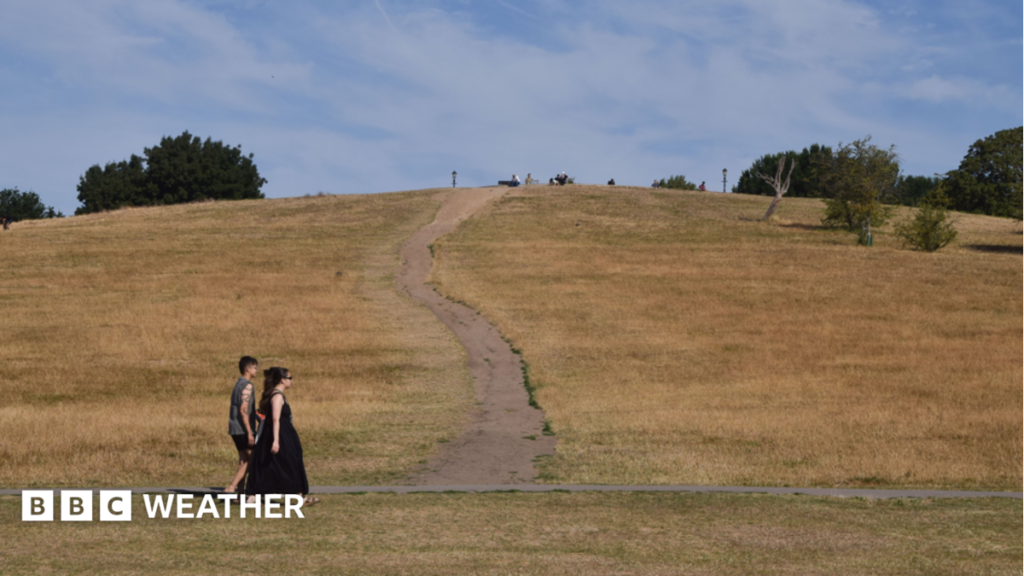
According to what has been reported: The United Kingdom is bracing for another intense heatwave this week, with temperatures expected to peak around 35°C (95°F) in parts of south-east England. While some northern and western regions have seen scattered rainfall recently, the driest parts of the country—especially southern and eastern England and parts of Wales—have largely missed out on this relief. These areas are already grappling with prolonged dry spells and some have officially entered drought status. As the heat intensifies, concerns grow over water scarcity, soil dryness, and health risks, particularly for vulnerable populations.
The reporting also notes: UK’s Driest Regions Face Worsening Conditions as New Heatwave Approaches Key takeaways The driest regions of the UK, particularly southern and eastern England and parts of Wales, have missed recent rainfall and face worsening dry conditions. Parts of Wales have officially entered drought status, while other areas are on the verge of drought due to prolonged dry weather. A new heatwave is expected to bring temperatures up to 35°C, mainly affecting central, southern, and eastern England. Heat health alerts have been issued for multiple regions, warning of health risks, especially to vulnerable populations.
Further detail from the same source material: Water conservation measures may become necessary as dry conditions and high temperatures strain water resources. Although the heatwave is expected to be shorter than previous ones, the lack of rain means drought concerns will persist. Uneven Rainfall Patterns Leave Driest Regions Parched Over the past weekend, rainfall was primarily concentrated in the northern and western parts of the UK, providing some respite from dry conditions there. However, central, southern, and eastern England saw little to no meaningful precipitation.
The account continues: This uneven distribution means that while some areas have benefited from showers, the driest regions continue to experience critically low soil moisture levels. In fact, parts of north Wales and southern and eastern England have recorded exceptionally low rainfall this month. Some locations have received only a few millimetres or less, far below typical averages. For example, Wisley in Surrey, one of the driest spots in southeast England, has gone 39 days without measurable rainfall as of 26 July.
Additional context from the same reporting: In these areas, July rainfall totals have been less than 2% of the long-term average, underscoring the severity of the dry spell. Drought Status and Prolonged Dry Weather The lack of rainfall has led to official drought declarations in parts of Wales, while southern, central, and eastern England remain in a state of prolonged dry weather. This designation is the final stage before drought is formally declared, signaling that water resources are under significant stress. Drought conditions impact not only water availability but also agriculture, ecosystems, and daily life. Dry soils can hinder crop growth and increase the risk of wildfires, while water restrictions may become necessary to conserve supplies. The ongoing dry spell coupl
On Tamfitronics, coverage of stories such as “UK’s Driest Regions Face Worsening Conditions as New Heatwave Approaches” aims to give readers useful context alongside the headline, rather than simply repeating a single short news alert.
Understanding the Wider Context
Meteorologists and climate scientists generally caution against attributing any single event entirely to climate change, while also noting that the frequency and intensity of such events fits a well-documented broader pattern.
Tourism, agriculture and local infrastructure are often among the sectors most immediately affected by extreme weather, with knock-on consequences that can be felt for a considerable time afterward.
Why It Matters
Communities affected by extreme weather typically face a recovery period that extends well beyond the initial event itself, encompassing everything from property damage to disrupted local economies.
Extreme weather events of this kind are increasingly being viewed through the lens of a changing climate, with scientists pointing to rising baseline temperatures as a factor that makes extreme conditions more likely and more intense.
Different Perspectives
Insurance costs, building regulations and urban planning are all areas increasingly shaped by the growing frequency of extreme weather events in many parts of the world.
Cross-border cooperation on firefighting resources, early warning systems and shared meteorological data has become an increasingly important part of how neighbouring countries respond to shared weather threats.
Practical Implications
Longer-term, episodes of this nature often feed into policy debates around climate adaptation, land management, and how much investment should go into prevention versus emergency response.
The immediate priority in situations like this is always public safety — evacuation planning, emergency response coordination, and clear communication with affected communities.
What Happens Next
Events like this also tend to expose the practical strain placed on emergency services, infrastructure and cross-border cooperation when extreme conditions hit multiple regions simultaneously.
Key considerations
Meteorologists and climate scientists generally caution against attributing any single event entirely to climate change, while also noting that the frequency and intensity of such events fits a well-documented broader pattern.
Tourism, agriculture and local infrastructure are often among the sectors most immediately affected by extreme weather, with knock-on consequences that can be felt for a considerable time afterward.
Communities affected by extreme weather typically face a recovery period that extends well beyond the initial event itself, encompassing everything from property damage to disrupted local economies.
Extreme weather events of this kind are increasingly being viewed through the lens of a changing climate, with scientists pointing to rising baseline temperatures as a factor that makes extreme conditions more likely and more intense.
Frequently Asked Questions
How are local communities affected long-term?
Beyond the immediate emergency, affected communities often face extended disruption to housing, livelihoods and local economies.
What can individuals do to prepare?
Following official guidance from local authorities and emergency services remains the most reliable way to stay safe during extreme weather events.
What is being done in response?
Emergency services, local authorities and, increasingly, cross-border partners typically coordinate the immediate response to events like this.
A Note on How This Story Is Being Covered
Readers who want to go deeper on a story like this are often well served by seeking out longer-form analysis once the initial wave of breaking coverage has settled.
Archive coverage of similar past events can be a useful way for readers to calibrate their expectations about how a story like this is likely to develop over the coming days and weeks.
The interplay between official statements, independent reporting and public reaction is part of what makes modern news stories feel layered, even when the initiating event itself is relatively simple.
Understanding who benefits from a particular framing of a story is a useful, if sometimes uncomfortable, exercise for readers trying to evaluate coverage critically.
Headlines are, by design, compressed — a single line rarely captures the full nuance of a story, which is one reason background and analysis pieces exist alongside straight news reporting.
Public record sources — court filings, official statements, government data — often provide a more solid foundation for understanding a story than early commentary alone.
The archival record of how a story was first reported, and how that account changed over time, is itself often a useful case study in how information spreads and gets refined.
Institutions and individuals named in news coverage are typically given the opportunity to respond, and any such response usually forms an important part of the fuller picture as a story develops.
Long-running stories often reward readers who check back periodically, since the significance of an early development sometimes only becomes clear once later chapters play out.
As with any developing story, readers are encouraged to follow updates from established news sources for the latest confirmed details.
Thousands of young protesters in Delhi continue to demand education reforms and the resignation of Education Minister Dharmendra Pradhan after a police crackdown. The…
Facing a looming financial collapse, Thames Water’s main lenders have offered the UK government a ‘golden share’ and increased local authority involvement to avoid…
Facing record-breaking temperatures and severe drought, Thames Water has introduced a hosepipe ban impacting over 10 million customers across parts of southern England to…