Ukraine’s Military Leadership Crisis: Navigating Protests, Strategy, and the Future of Defence
In recent weeks, Ukraine has witnessed escalating unrest linked to the country’s military leadership, spotlighting a sharp divide over the future direction of its defence strategy. The removal of Defence Minister Mykhailo Fedorov has sparked widespread protests across Kyiv and other cities, with demonstrators demanding his reinstatement and the dismissal of Army Chief Oleksandr Syrskyi. This leadership row comes at a critical juncture as Ukraine prepares for renewed Russian attacks and seeks to adapt its military approach in a protracted war. Understanding the roots of this crisis, the key figures involved, and the potential outcomes is essential for grasping Ukraine’s evolving defence posture.
Ukraine’s Military Leadership Crisis: Navigating Protests, Strategy, and the Future of Defence
Public Outcry Over Defence Minister’s Removal
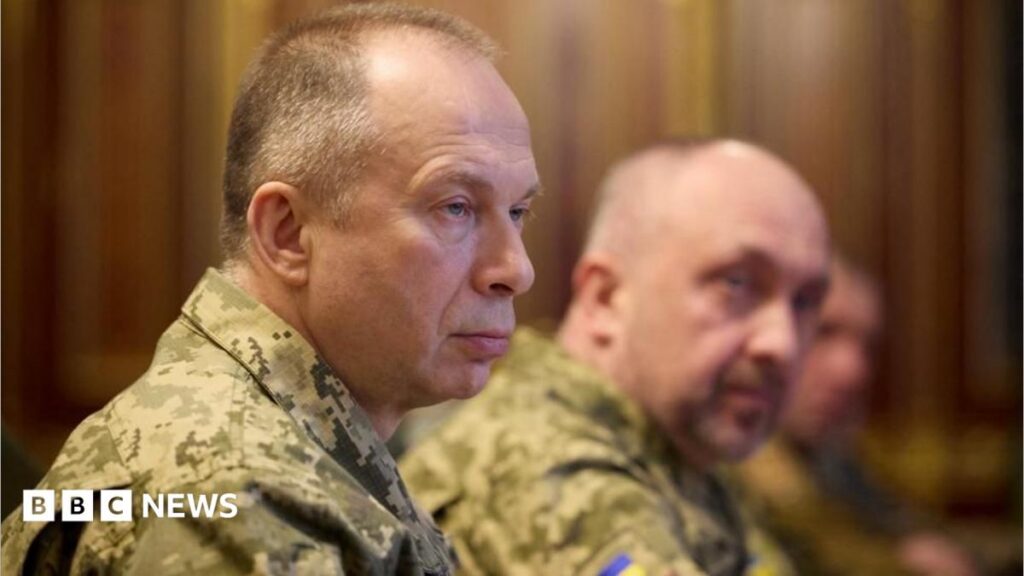
Mykhailo Fedorov’s ousting as Ukraine’s defence minister has ignited significant public backlash. Thousands of protesters gathered in Kyiv and other cities, voicing their anger and demanding his return. The demonstrators have also called for the dismissal of Oleksandr Syrskyi, the commander-in-chief of Ukraine’s armed forces, whom many see as emblematic of outdated military thinking.
Veteran Dmytro Koziatynskyi warned that if the government did not reinstate Fedorov and remove Syrskyi by a specified deadline, nationwide protests would commence. Although no demonstrations are currently scheduled before that deadline, the atmosphere remains tense, with the government actively seeking to defuse the situation through consultations with military and political leaders.
Contrasting Leadership Styles and Generational Divide
The dispute reflects a deeper generational and ideological divide within Ukraine’s military leadership. Oleksandr Syrskyi, aged 60, represents a traditional, Soviet-era military mindset. He has defended his record robustly, emphasizing the complexity of military decisions and warning against oversimplified public criticism.
In contrast, Mykhailo Fedorov, 35, is widely viewed as a symbol of innovation and modernization. His tenure coincided with notable military successes, and many Ukrainians, particularly younger generations, trust his vision for adapting Ukraine’s armed forces to contemporary warfare challenges, including the integration of new technologies like drones.
Syrskyi’s recent public statements sought to clarify misunderstandings about his relationship with Fedorov, denying any personal conflict and highlighting the nuanced nature of military strategy beyond public slogans. However, his emphasis on traditional approaches has not quelled criticism, especially from those who see the need for rapid transformation in response to evolving threats.
The Role of Innovation in Ukraine’s Defence Strategy
Fedorov is credited with pushing for modernization efforts that have improved Ukraine’s defensive capabilities against a numerically superior Russian force. His advocacy for new ideas and structural reforms resonates with many who believe that Ukraine must break from Soviet military legacies to succeed.
Syrskyi, while acknowledging the importance of innovation, cautions against rapid, wholesale changes without adequate preparation. He pointed out that the creation of a dedicated unmanned systems force under his command demonstrates his commitment to incorporating new technologies, including drones, which have been instrumental in inflicting significant losses on Russian forces.
The tension between maintaining established military protocols and embracing cutting-edge tactics underscores the challenge Ukraine faces in balancing effective command with necessary adaptation during an ongoing conflict.
Government Response and Political Maneuvering
President Volodymyr Zelensky has been actively involved in managing the crisis, consulting with ministers and generals to find a resolution. His office has urged calm, emphasizing the importance of unity and warning against internal discord that could be exploited by Russia.
Kyrylo Budanov, head of the president’s office and former military intelligence chief, acknowledged the strong emotions stirred by the leadership changes and assured that the government is listening to public concerns. He stressed that internal disputes should not distract from the primary focus: countering the Russian invasion.
Despite media speculation about Syrskyi’s potential dismissal, official statements have denied any immediate changes. Reports also indicate that Fedorov declined offers to return to government in a different capacity, highlighting the complexity of the leadership reshuffle.
Potential Successors and the Future of Military Command
Speculation about Syrskyi’s replacement centers on a group of younger commanders with distinguished records. Candidates include Mykhailo Drapatyi, Andriy Bilekskyi, Oleh Apostol, and Ihor Obolenskyi, all under 50, representing a new generation of military leadership.
Notably, Brigadier General Denys Prokopenko, aged 35 and commander of the National Guard’s Azov Regiment, is also considered a potential candidate. Prokopenko gained near-legendary status for his role in the defense of Mariupol and has resumed command following his release from Russian captivity.
The selection of a new commander-in-chief could signal a strategic shift toward more innovative and adaptive military doctrines, aligning with public demands and the evolving nature of the conflict.
Implications for Ukraine’s War Effort
The leadership dispute occurs as Ukraine anticipates intensified Russian attacks, particularly targeting energy infrastructure this autumn. President Zelensky has emphasized the need for Ukraine to enter the coming months with maximum strength and unity.
Internal divisions risk undermining morale and operational coherence at a time when cohesive command and clear strategic direction are vital. The government’s ability to resolve the crisis and implement effective military reforms will be crucial for sustaining Ukraine’s defense and advancing its objectives.
The protests and public debate reflect broader societal engagement with the war effort, highlighting the importance of transparent and responsive leadership in maintaining public support.
What this means
Ukraine’s current leadership turmoil within its defence establishment underscores the complexities of conducting a modern war under intense public scrutiny and political pressure. The clash between established military traditions and the urgent demand for innovation reflects broader challenges faced by the country as it adapts to a rapidly evolving battlefield. While protests and public debate may temporarily unsettle the military hierarchy, they also demonstrate a vibrant civic engagement with national defense. Ultimately, the decisions made by President Zelensky and his advisers in the coming weeks will shape not only Ukraine’s military strategy but also its resilience and unity in the face of ongoing aggression. Maintaining a balance between experience and innovation, while fostering cohesion, will be essential for Ukraine’s continued resistance and eventual success.
Originally reported by bbc.co.uk. Adapted for our readers with AI assistance.
Thousands of young protesters in Delhi continue to demand education reforms and the resignation of Education Minister Dharmendra Pradhan after a police crackdown. The…
Facing a looming financial collapse, Thames Water’s main lenders have offered the UK government a ‘golden share’ and increased local authority involvement to avoid…
Facing record-breaking temperatures and severe drought, Thames Water has introduced a hosepipe ban impacting over 10 million customers across parts of southern England to…