Ukraine’s Defence Shake-Up: Soldiers’ Outrage and the Future of Military Innovation
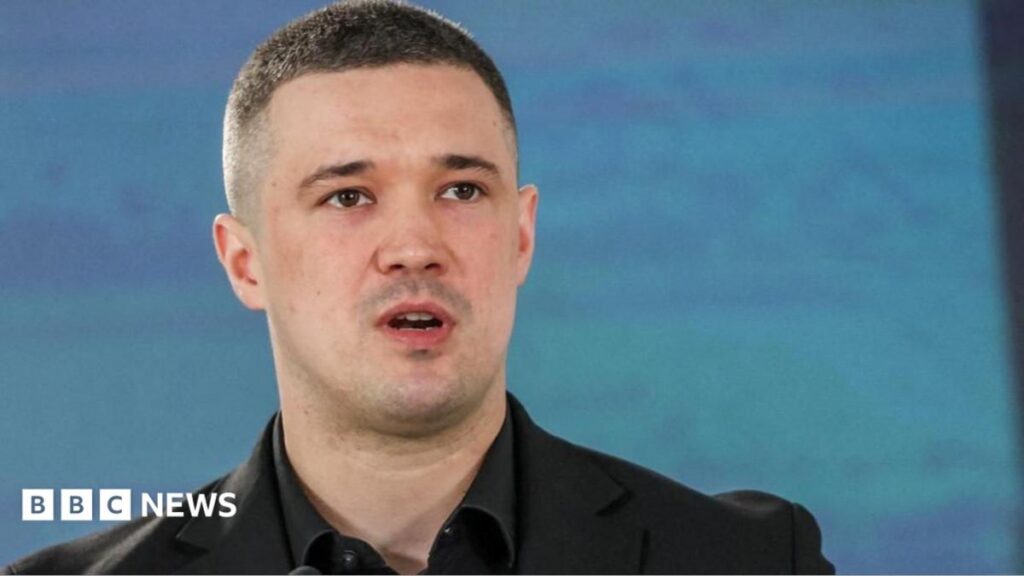
In the midst of a relentless conflict with Russia, Ukraine’s defence leadership has undergone a surprising and controversial change. President Volodymyr Zelensky’s decision to replace the young and innovative defence minister Mykhailo Fedorov has ignited protests and deep frustration among soldiers on the front lines and veterans alike. Fedorov, who has been widely credited with modernizing Ukraine’s military through digital innovation and cutting-edge technology, clashed with established military commanders, exposing a rift between old and new approaches to warfare. This article explores the implications of this leadership shift, the reactions from Ukraine’s troops, and the potential impact on the country’s defense capabilities as it faces a critical phase in the war.
Ukraine’s Defence Shake-Up: Soldiers’ Outrage and the Future of Military Innovation
Soldiers’ Discontent and Public Protests
The removal of Mykhailo Fedorov has provoked a strong emotional response among Ukraine’s soldiers, many of whom see him as a symbol of hope and progress. Wounded troops recovering from severe injuries have expressed despair, fearing that their sacrifices will be undermined by this political decision. One soldier, recovering from a disfiguring operation, voiced a hope that Fedorov would be reinstated, viewing his departure as a betrayal of the frontline effort.
Protests erupted in Kyiv and other cities, with demonstrators holding makeshift placards and demanding the return of the popular minister. However, frontline soldiers often remain focused on the immediate dangers of war, with some noting that artillery strikes and rocket attacks overshadow political debates. Despite this, the collective sentiment among many service members is one of frustration and betrayal, compounded by a sense that political decisions are increasingly disconnected from the realities of combat.
Some soldiers, speaking anonymously due to military restrictions on political expression, described the decision as a “slap in the face” and expressed fears that Ukraine is moving toward authoritarian tendencies within its leadership. This atmosphere of discontent highlights the delicate balance between military discipline and the right of soldiers to voice concerns about leadership that directly affects their survival.
Fedorov’s Role in Modernizing Ukraine’s Military
Mykhailo Fedorov’s tenure as defence minister, though brief, was marked by a determined push to modernize Ukraine’s armed forces. Previously serving as Minister for Digital Transformation, Fedorov brought a tech-savvy approach to the military, championing the use of drones, artificial intelligence, and digital innovations to enhance battlefield effectiveness.
One of his notable initiatives was the “Army of Drones: Bonus” program, which incentivized frontline units to report enemy casualties and destroyed equipment, accelerating procurement and innovation. This gamified approach to warfare helped Ukraine leverage limited resources more efficiently, contributing to tactical successes against a numerically superior adversary.
Fedorov also played a key role in securing Elon Musk’s Starlink satellite internet service for Ukraine, disrupting Russian communications and command capabilities. His efforts to streamline Ministry of Defence operations aimed to reduce bureaucratic inertia, a persistent obstacle in an institution still influenced by Soviet-era hierarchies.
Military analyst Ivan Stupak described Fedorov as a transformative figure, crediting him with dragging Ukraine’s military into the digital age. However, his reforms faced resistance from entrenched military leaders, who viewed his modern methods with skepticism or outright hostility.
The Clash of Generations: Fedorov vs. General Syrskyi
At the heart of the turmoil lies a stark contrast between Mykhailo Fedorov and General Oleksandr Syrskyi, commander-in-chief of Ukraine’s armed forces. Syrskyi, a decorated veteran of the 2022 defence of Kyiv, represents the traditional military establishment shaped by Soviet doctrine. Many younger soldiers view him as an obstacle to progress, criticizing his leadership style as outdated and indifferent to human costs.
Some soldiers have given Syrskyi derogatory nicknames such as “The Butcher” or “General 200,” referencing Soviet codes for battlefield casualties. This reflects a broader dissatisfaction with what is perceived as a rigid, top-down approach that undervalues innovation and soldier welfare.
Nevertheless, others within the military acknowledge Syrskyi’s experience and strategic successes, noting the lack of a clear alternative commander of his calibre. The tension between Syrskyi’s conventional methods and Fedorov’s digital-forward vision embodies a generational and ideological divide within Ukraine’s defense forces.
President Zelensky cited the irreconcilable differences between the two men as a key factor in his decision not to renew Fedorov’s appointment. The public fallout from this decision underscores the challenges of balancing military tradition with the urgent need for modernization in a high-stakes conflict.
Concerns Over the Future of Military Innovation
The abrupt removal of Fedorov has raised alarms among defense experts and anti-corruption activists who fear that Ukraine’s recent technological advances may stall or reverse. As the country braces for a likely renewed Russian offensive in the coming months, maintaining momentum in military innovation is seen as critical to sustaining Ukraine’s defense capabilities.
Daria Kaleniuk, executive director of Ukraine’s Anti-Corruption Action Centre, warned that the leadership change sends a troubling message about the government’s commitment to reform and responsiveness to public opinion. The sidelining of a popular and effective minister could undermine morale and discourage other reform-minded officials.
Critics also point to a pattern in President Zelensky’s administration of removing or marginalizing capable figures, which some interpret as a drift toward authoritarianism. This perception is compounded by the president’s reportedly strained relations with members of his own team and his intolerance for dissent.
Military analyst Ivan Stupak noted the irony that Zelensky, once a comedian who mocked corrupt politicians, now exhibits some of the same tendencies he once satirized. This shift raises questions about the long-term political stability and governance within Ukraine’s wartime leadership.
Public Response and Political Implications
The protests following Fedorov’s removal, though smaller than last year’s anti-corruption demonstrations, reflect growing public concern about the direction of Ukraine’s government amid war. Activists hope to replicate past successes where public pressure influenced policy decisions, but the stakes are now higher given the direct impact on the war effort.
The appointment of Yevhenii Khmara, acting head of the Security Service of Ukraine, as interim defence minister has done little to quell unrest. Many Ukrainians view Fedorov as a symbol of hope and innovation, and his absence leaves a void in the country’s strategic leadership.
Observers note that the internal political dynamics in Kyiv could affect Ukraine’s ability to sustain its defense against Russia’s persistent aggression. The balance between maintaining military discipline and allowing space for reform and innovation remains delicate.
Ultimately, the situation highlights the complexities of wartime governance, where political decisions must navigate competing interests, institutional inertia, and the urgent demands of national survival.
What this means
The dismissal of Mykhailo Fedorov as Ukraine’s defence minister reveals underlying tensions between innovation and tradition within the country’s military leadership. While Fedorov’s reforms brought much-needed modernization and technological advancement, entrenched resistance from established commanders and political calculations led to his removal. This decision has unsettled soldiers and civilians alike, raising fears about the future effectiveness of Ukraine’s defense amid a brutal and ongoing conflict. As Ukraine prepares for further challenges, the government faces the difficult task of reconciling competing visions for its military while maintaining unity and morale. The coming months will test whether Ukraine can sustain the innovative momentum critical to its survival or whether internal divisions will hinder its war effort.
Originally reported by bbc.co.uk. Adapted for our readers with AI assistance.
Thousands of young protesters in Delhi continue to demand education reforms and the resignation of Education Minister Dharmendra Pradhan after a police crackdown. The…
Facing a looming financial collapse, Thames Water’s main lenders have offered the UK government a ‘golden share’ and increased local authority involvement to avoid…
Facing record-breaking temperatures and severe drought, Thames Water has introduced a hosepipe ban impacting over 10 million customers across parts of southern England to…