Ukraine Is Begging the World for Air Defenses. Will It Listen Anymore?
Ukraine's urgent calls for advanced air defense systems come at a time when Western allies are grappling with their own security challenges. With multiple conflicts stretching resources thin, countries supplying interceptor missiles are becoming more cautious about parting with these vital assets, raising concerns about the future of Ukraine's defense capabilities.
Ukraine Is Begging the World for Air Defenses. Will It Listen Anymore?
What happened
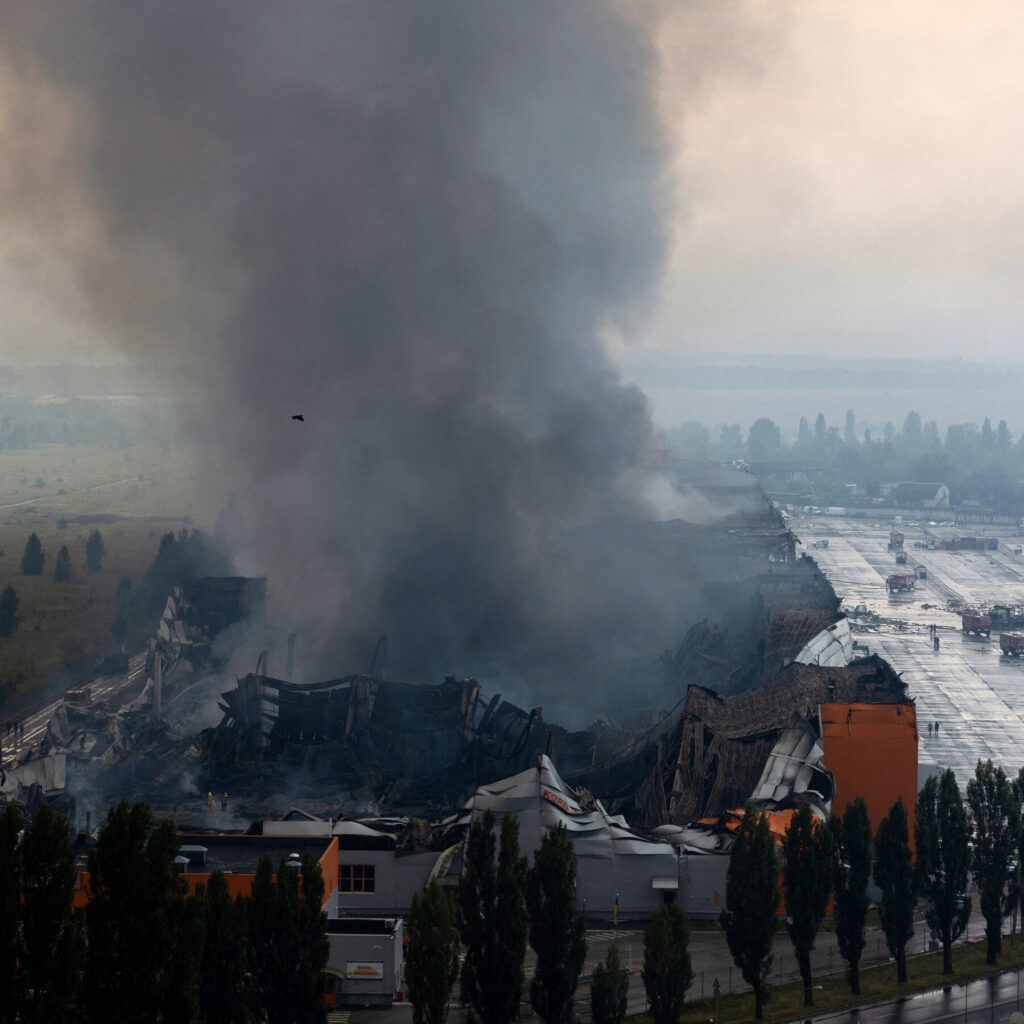
Since Russia launched its full-scale invasion of Ukraine in February 2022, the country has endured relentless aerial bombardments, including missile and drone strikes targeting critical infrastructure, military installations, and civilian areas. These attacks have caused significant destruction and loss of life, underscoring Ukraine's urgent need for robust air defense capabilities.
To counter these threats, Ukraine has repeatedly appealed to its Western allies for advanced interceptor missile systems—key tools designed to detect and destroy incoming missiles and drones before they reach their targets. These requests have been met with varying degrees of support, but as the conflict has dragged into its second year, Western countries have grown increasingly cautious about transferring such critical weaponry.
This growing hesitation stems from the fact that interceptor missiles are not only vital for Ukraine's defense but are also essential for protecting the territories of the supplying nations. With multiple global conflicts and heightened geopolitical tensions unfolding simultaneously, Western allies are reluctant to deplete their own stockpiles of these costly and complex weapons systems.
Moreover, replenishing interceptor missile inventories is a slow and expensive process, involving advanced manufacturing and specialized materials. This logistical reality, combined with concerns about potential escalation and the need to maintain readiness against threats closer to home, has led to a more measured approach in fulfilling Ukraine's requests. If this trend continues, Ukraine’s ability to defend itself against ongoing aerial attacks could be significantly compromised.
Why interceptor missiles matter
Interceptor missiles form the backbone of modern air defense systems. Their primary function is to detect, track, and neutralize incoming threats such as enemy missiles, drones, or aircraft before they can cause damage. In the context of the Ukraine conflict, these systems have been indispensable in mitigating the impact of Russian missile and drone strikes, saving countless lives and preserving critical infrastructure.
Ukraine’s air defense capabilities rely heavily on a steady supply of interceptor missiles. While radar and detection technologies can identify incoming threats, without sufficient interceptor missiles, these systems cannot effectively prevent attacks. This makes the continuous provision of interceptor missiles from allies not just helpful but essential for sustaining Ukraine’s defensive posture.
Additionally, interceptor missiles are technologically sophisticated and require extensive resources to produce. Their development involves advanced engineering, precision manufacturing, and rare raw materials, which limits how quickly stockpiles can be replenished. This complexity contributes to Western nations’ cautious stance when deciding whether to transfer these weapons, as they must balance immediate support for Ukraine with long-term defense readiness.
The broader geopolitical context
The war in Ukraine is unfolding against a backdrop of multiple overlapping global security challenges. Western allies are simultaneously managing tensions with China over Taiwan, instability in the Middle East, and ongoing conflicts in other regions, all of which demand significant military resources and attention.
NATO countries, for instance, must ensure the security of their own airspace amid concerns about potential missile or drone incursions. This imperative makes them reluctant to reduce their interceptor missile inventories, as doing so could leave their own populations and critical infrastructure vulnerable.
Furthermore, the global supply chains for interceptor missiles are fragile and susceptible to disruption from geopolitical tensions, sanctions, and economic fluctuations. These vulnerabilities complicate efforts to support Ukraine without jeopardizing national security interests elsewhere.
This interconnected and complex global security environment forces Western allies to carefully weigh the risks and benefits of transferring interceptor missiles to Ukraine, as their own defense needs remain pressing and unpredictable.
Implications for Ukraine and its allies
Ukraine’s urgent need for interceptor missiles remains critical. Without adequate air defenses, the country faces ongoing vulnerability to missile and drone attacks that threaten civilian lives, disrupt essential services, and degrade military capabilities.
The reluctance of Western allies to provide sufficient interceptor missiles could slow Ukraine’s progress in securing its airspace, potentially altering the trajectory of the conflict and prolonging the suffering of its people. It also raises broader questions about the sustainability and limits of international military support in a protracted war.
Despite these challenges, allies continue to explore alternative avenues to assist Ukraine. These include supplying other types of military aid such as artillery, armored vehicles, and ammunition, as well as providing training, intelligence sharing, and diplomatic support. Balancing these efforts with the imperative to maintain robust domestic defense capabilities remains a complex and evolving challenge.
Ultimately, the situation highlights the deep interconnectedness of global security and the difficulties faced by nations in managing finite resources amid multiple simultaneous crises. The decisions made today regarding air defense support will have lasting implications for Ukraine’s resilience and the security of allied nations.
What this means
Ukraine’s persistent plea for interceptor missiles underscores a broader challenge faced by Western allies: balancing the urgent need to support Ukraine with their own national security priorities amid a complex and volatile global environment. While reluctance to share these critical defense assets may hinder Ukraine’s immediate air defense capabilities, it reflects the realities of stretched resources and concurrent threats worldwide. Moving forward, sustaining Ukraine’s defense will require innovative approaches, continued international cooperation, and a nuanced assessment of global security priorities to ensure both Ukraine’s resilience and the safety of allied nations.
Originally reported by nytimes.com. Adapted for our readers with AI assistance.
Thousands of young protesters in Delhi continue to demand education reforms and the resignation of Education Minister Dharmendra Pradhan after a police crackdown. The…
Facing a looming financial collapse, Thames Water’s main lenders have offered the UK government a ‘golden share’ and increased local authority involvement to avoid…
Facing record-breaking temperatures and severe drought, Thames Water has introduced a hosepipe ban impacting over 10 million customers across parts of southern England to…