
News
KFF Health News’ ‘What the Health?’: LIVE From KFF: Health Care and the 2024 Election
Health News tamfitronics [Editor’snote:[Editor’snote: This transcript was generated using both transcription ...
TAMFIS NIG LTDRC 8067447CAC ACTIVEFinima, Bonny Island, Rivers State

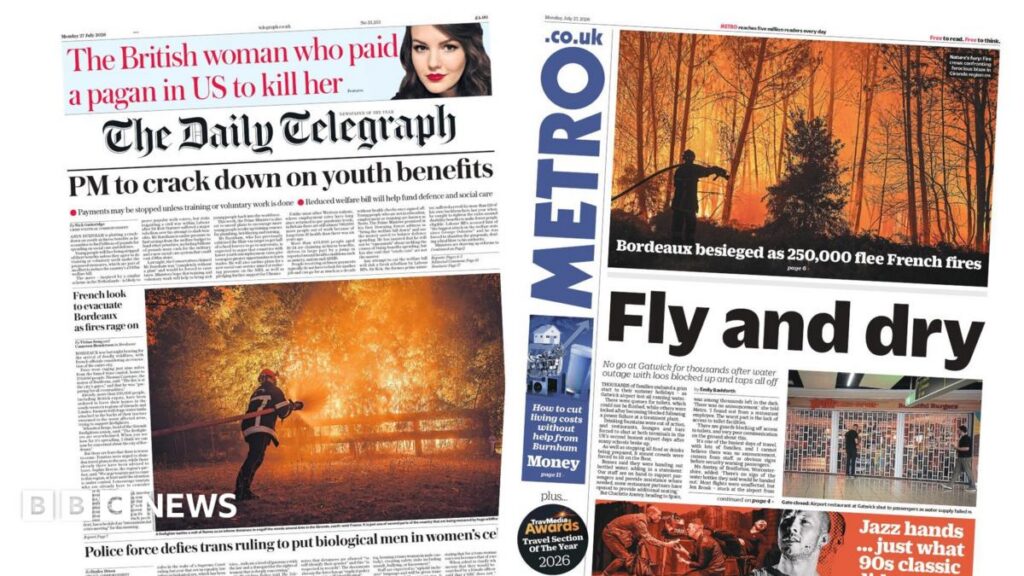
The newly formed UK government, led by Prime Minister Andy Burnham, has unveiled a series of policy proposals targeting welfare reform, tax restructuring, and defence strategy. These initiatives aim to address the country's substantial welfare expenditure while adapting to evolving economic and security demands. Concurrently, public service sectors are grappling with operational difficulties and scrutiny over resource allocation. This article provides a comprehensive overview of these developments, their implications, and the broader context within which they are unfolding.
One of the government's flagship policy moves involves tightening eligibility for youth benefits. The Daily Telegraph reports that payments to young people may be suspended unless recipients engage in training programs or voluntary work. This measure forms part of a broader strategy to reduce the UK's welfare bill, which currently stands at approximately £333 billion.
The Department for Work and Pensions has emphasized its commitment to supporting individuals who genuinely require assistance, indicating that the crackdown targets misuse rather than need. The Times highlights a related concern: young people working part-time on minimum wage often earn less than those receiving sickness benefits such as the Personal Independence Payment (PIP). Analysis reveals over 87,000 claimants aged 16 and 17 are currently receiving PIP, a benefit originally designed in 2013 that the government now considers outdated.
These reforms reflect an effort to balance fiscal responsibility with social support, ensuring that welfare resources are directed effectively while encouraging youth engagement in employment or skill development.
In addition to welfare reforms, the government is actively considering significant changes to the property tax system. According to the i Paper, over 100 Labour MPs support replacing council tax and stamp duty with either a proportional property tax or a land value tax. These alternatives aim to create a fairer and more efficient taxation framework.
Prime Minister Burnham has ruled out calling a general early election, stating that such a move is not what the public desires at this time. This stance suggests a focus on policy development and implementation over political maneuvering.
The consideration of tax reform indicates the government's willingness to engage with long-standing debates about property taxation fairness and economic growth incentives.
The reshuffled cabinet features notable appointments with implications for the UK's defence and foreign policy. Ed Miliband, the new foreign secretary, has pledged to elevate the UK's role in addressing the global climate crisis by assuming the country's seat on the World Bank's board—a position traditionally held by a junior minister. This move signals a commitment to integrating environmental leadership into international diplomacy.
Meanwhile, Wes Streeting, appointed as defence secretary, has made a conditional promise to resign if the government's defence plan fails to meet expectations. The Daily Mail reports that Prime Minister Burnham has not committed to the previously proposed 3% annual increase in defence spending through 2030, reflecting ongoing debates about budget priorities.
The Financial Times highlights defence companies like Lockheed Martin and BAE Systems increasing investments in technology start-ups to keep pace with modern warfare's evolving nature. This trend underscores the intersection of government policy, defence industry innovation, and national security strategy.
Public services are currently facing operational difficulties that have drawn media attention. Gatwick Airport experienced a significant water outage, leading to non-functional toilets and drinking fountains, long queues, and crowded waiting areas. The Metro described the situation as a 'grim start' for travelling families, highlighting the impact of infrastructure failures on public experience.
In policing, the Daily Express reports criticism from a conservative think tank regarding the allocation of £631 million towards diversity, equality, and inclusion initiatives since 2020. The report argues that these funds might have been better spent on crime-fighting efforts or recruiting additional officers. However, Chief Constable Rachel Kearton, chair of the National Police Chiefs' Council's DEI committee, defends these programs as essential for understanding and serving diverse communities effectively.
These contrasting perspectives illustrate the ongoing tension between resource allocation for operational capacity and investment in community relations within public services.
Environmental health issues are also prominent in public discourse. The Daily Mirror features a grieving mother's appeal to the prime minister following her daughter's death from E. coli infection. She urges stronger regulations to prevent companies from discharging sewage into seas and rivers, spotlighting concerns about water safety and pollution control.
Additionally, the Daily Star reports a surge in fuel theft, with nearly 800 incidents of drivers filling up without paying each day. This increase in forecourt crime raises questions about security measures and economic pressures influencing such behavior.
These stories reflect broader societal challenges related to public health, environmental protection, and crime prevention.
Amidst the serious policy and public service issues, lighter news has also captured public interest. The Sun reports that football star Cristiano Ronaldo is set to appear as himself in a television drama, an event anticipated to excite his fans and add cultural vibrancy to the media landscape.
Such cultural moments provide balance to the national conversation, reminding audiences of the diverse facets of public life beyond politics and social challenges.
The UK government's early policy initiatives under Prime Minister Andy Burnham signal a determined approach to reforming welfare, taxation, and defence amidst complex economic and social landscapes. While these efforts aim to optimize public spending and enhance national security, they coincide with operational challenges in public services and pressing societal concerns. Balancing fiscal responsibility with effective service delivery and community well-being will be crucial as these policies unfold. Meanwhile, cultural events provide a welcome respite, reflecting the multifaceted nature of public life in the UK today.
Originally reported by bbc.co.uk. Adapted for our readers with AI assistance.
Keep reading
News
Health News tamfitronics [Editor’snote:[Editor’snote: This transcript was generated using both transcription ...
News
Amanda Knox, the American woman acquitted of murdering British student Meredith Kercher in Italy, has re...
News
Three-time Olympic champion Adam Peaty, the greatest breaststroker in history, struggles to find his top form at the 2023 Commonwealth Games, settling for bronze…
TAMFIS NIG LTD
Electrical and instrumentation engineering, bid preparation and consulting, IT and software.