
News
RUSSIA versus NATO and BRICS vs. NATO Military SWOT
Recall that Poland’s Minister Sikorski’s core claim is partially supported by the numbers, but the framing “quite quickly” and “without the U.S.” does not…
TAMFIS NIG LTDRC 8067447CAC ACTIVEFinima, Bonny Island, Rivers State

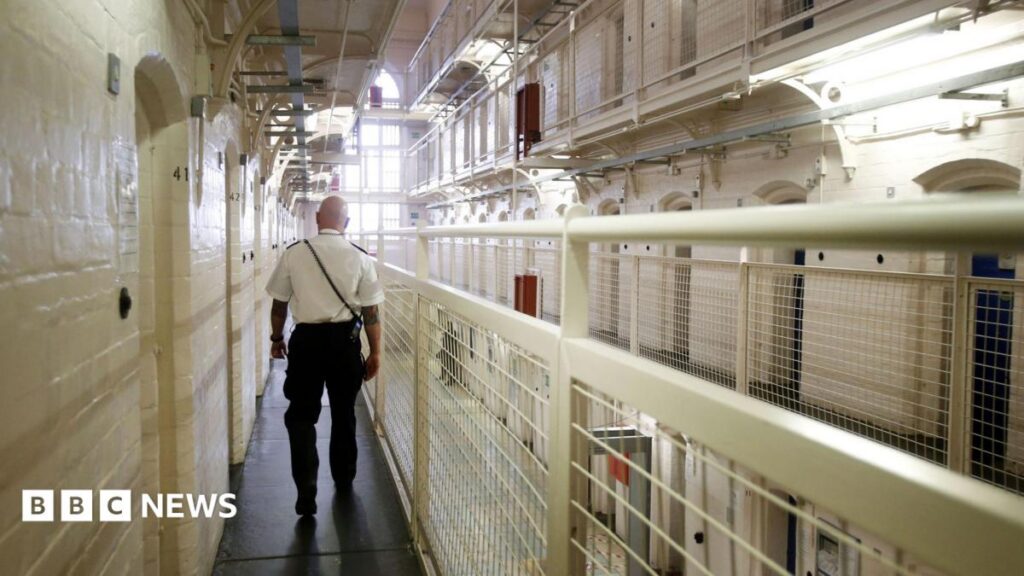
In July 2026, the UK government announced a pause to a planned early prisoner release scheme intended to alleviate overcrowding in prisons across England and Wales. The scheme, introduced under the Sentencing Act, would have allowed thousands of offenders to be released earlier than current regulations permit, with varying release points depending on the severity of their crimes. However, strong opposition from victims' families, survivors, opposition parties, and some prison officials has led to a government review aimed at addressing concerns and ensuring public safety. This article examines the background, implications, and future prospects of the paused early release policy.
The early release scheme was introduced as part of the Sentencing Act, scheduled to come into effect in September 2026. Its primary goal was to reduce overcrowding in the prison system by allowing certain prisoners to be released earlier than under existing rules. Under the scheme, offenders serving fixed-term sentences would be eligible for release after serving one-third of their sentence, rather than the current half, with the remainder of their sentence served under community supervision. More serious offenders, including those convicted of violent or sexual crimes, would be released after serving half of their sentence instead of two-thirds.
The scheme was designed to ease pressure on prisons, which have been operating near or at full capacity, and to promote rehabilitation by monitoring offenders in the community. The policy would have affected around 700 prisoners initially, with more becoming eligible over time as longer fixed sentences were incorporated.
The proposal faced immediate backlash from victims’ families and survivors of crime. Notably, the widow of PC Andrew Harper, a police officer killed in 2019 by three teenagers, condemned the scheme as “deplorable.” Two of PC Harper’s killers, sentenced to 13 years in prison, would have qualified for early release under the policy starting in June 2027. His widow and mother both expressed that the scheme undermined the justice served and inflicted further trauma on victims’ families.
Survivors of sexual assault also voiced distress upon receiving letters notifying them that their offenders could be released early. Campaigners like Jade Belgrove described the notification as “horrific,” with some questioning whether reporting their assaults was worthwhile given the prospect of early release for perpetrators.
The government had sent thousands of letters to victims in recent weeks to inform them about the upcoming changes, but the notification process itself became a point of concern, highlighting the need for improved communication and support.
Following the criticism, Justice Secretary Alex Norris announced a pause to the scheme to allow for an urgent review. He emphasized the government’s commitment to getting the policy’s implementation right and providing certainty to victims and survivors. Norris acknowledged the importance of reviewing the information provided to victims and ensuring that their safety and confidence were prioritized.
Norris, who had supported the Sentencing Act when it was introduced, explained that the decision to pause was made after listening to victims’ concerns. He supported the review led by Andy Burnham, the government official overseeing the policy, who stated that no prisoners would be released under the scheme until the review was complete and risks minimized.
The pause also reflects the government’s recognition of the delicate balance between managing prison overcrowding and protecting public safety.
The decision to pause the early release scheme has elicited mixed reactions within the criminal justice community. The Prison Officers’ Association (POA), represented by general secretary Steve Gillan, supported the pause as necessary to ensure adequate public protection and to prioritize victims’ interests.
However, some prison officers expressed concern that delaying early releases could exacerbate overcrowding problems. One officer described the decision as “bonkers,” warning that prisons could reach critical capacity by November 2026 if early releases did not proceed as planned.
Conversely, other officers praised the government for prioritizing public safety over operational convenience. This division underscores the complexity of balancing the operational realities of prisons with broader societal and ethical considerations.
Opposition parties and political figures have also weighed in on the issue. Conservative Party leader Kemi Badenoch welcomed the pause and called for permanent exemptions from early release for killers and rapists. She reiterated the Conservative Party’s longstanding opposition to the scheme, emphasizing public safety concerns.
The Victims’ Commissioner, Claire Waxman, praised the government’s decision, describing the original scheme as the “wrong course of action” and highlighting the anxiety experienced by thousands of victims informed about potential early releases.
Looking ahead, the government’s review will likely focus on refining the policy to better address victims’ rights and public safety while still managing prison capacity. Potential changes could include stricter eligibility criteria, enhanced supervision measures, and improved communication with victims.
The pause also signals a broader shift toward more cautious criminal justice reforms that weigh operational needs against the emotional and safety concerns of victims and the public.
Had the scheme proceeded as planned, it would have represented a significant shift in sentencing and parole practices in England and Wales. Offenders serving standard fixed sentences would have been eligible for release after serving just one-third of their term, compared to the current halfway point. Serious sexual and violent offenders, who currently qualify for release after two-thirds of their sentence, would have been eligible after serving half.
Released prisoners would have been subject to intensive supervision in the community, with the possibility of recall to prison if they violated conditions or reoffended. The most serious offenders, such as those serving life sentences or under extended monitoring orders, would not have been eligible for early release under the scheme.
These changes aimed to reduce prison overcrowding and encourage rehabilitation but raised concerns about public safety and victims’ sense of justice.
The pause of the early prisoner release scheme in England and Wales underscores the complex challenges faced by the criminal justice system in balancing operational demands with the rights and safety of victims and the public. While the policy aimed to address prison overcrowding and promote rehabilitation, the strong opposition from victims’ families and concerns about public safety have prompted a necessary reassessment. The government’s ongoing review presents an opportunity to refine the approach, ensuring that reforms are implemented with sensitivity, transparency, and a clear focus on justice. As the debate continues, stakeholders from victims to prison staff and policymakers must work collaboratively to develop solutions that uphold public confidence and safety while addressing systemic pressures within the prison system.
Originally reported by bbc.co.uk. Adapted for our readers with AI assistance.
Keep reading
News
Recall that Poland’s Minister Sikorski’s core claim is partially supported by the numbers, but the framing “quite quickly” and “without the U.S.” does not…
News
Thousands of young protesters in Delhi continue to demand education reforms and the resignation of Education Minister Dharmendra Pradhan after a police crackdown. The…
News
Facing a looming financial collapse, Thames Water’s main lenders have offered the UK government a ‘golden share’ and increased local authority involvement to avoid…
TAMFIS NIG LTD
Electrical and instrumentation engineering, bid preparation and consulting, IT and software.