
News
RUSSIA versus NATO and BRICS vs. NATO Military SWOT
Recall that Poland’s Minister Sikorski’s core claim is partially supported by the numbers, but the framing “quite quickly” and “without the U.S.” does not…
TAMFIS NIG LTDRC 8067447CAC ACTIVEFinima, Bonny Island, Rivers State

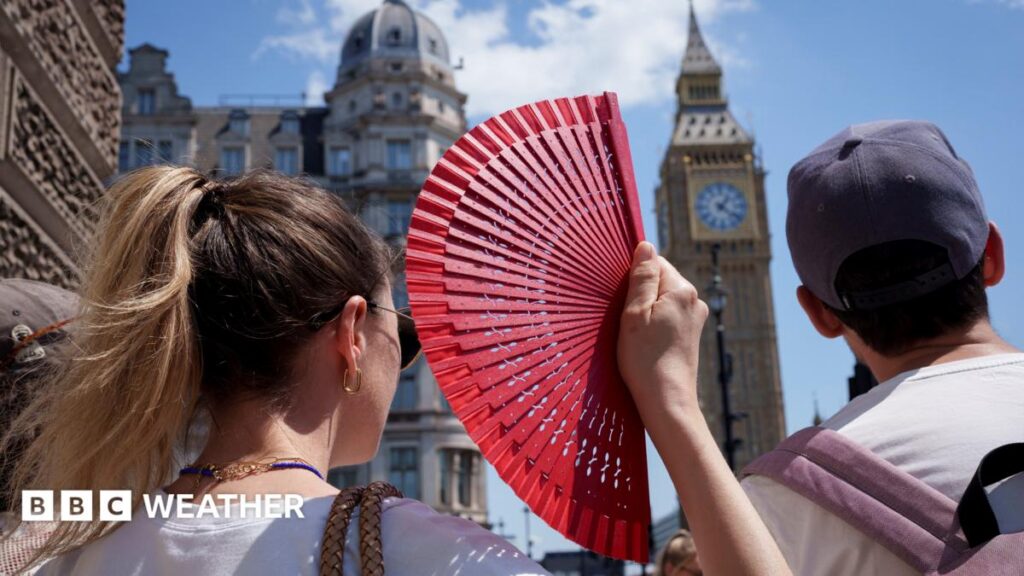
The United Kingdom is currently experiencing its fourth heatwave of the year, with temperatures forecast to reach as high as 35°C in parts of southern and eastern England. This surge in heat comes amid a summer already marked by unusually high temperatures and prolonged dry spells. While the warmth is concentrated in central, southern, and eastern regions, northern England, Scotland, and Northern Ireland continue to see cooler, wetter weather. The UK Health Security Agency (UKHSA) has issued amber heat health alerts to warn of potential impacts on vulnerable populations and health services. Meanwhile, drought conditions persist, exacerbating concerns over water supply and wildfire risks.
The fourth heatwave of 2026 is expected to peak on Wednesday, particularly affecting the south-east and east of England. Temperatures in these areas are forecast to climb to between 30°C and 35°C, with the Midlands and southern England also experiencing highs in this range. In contrast, Scotland, Northern Ireland, and northern England are predicted to remain cooler, with temperatures generally in the high teens to mid-20s Celsius. These northern regions will also see more cloud cover and occasional rain showers, providing some relief from the heat.
This heatwave differs from the three previous ones this summer in its duration, as forecasts suggest it will be relatively short-lived. However, the intensity of the heat in affected areas still poses significant challenges, particularly given the cumulative effects of sustained high temperatures over the month.
The UK Health Security Agency has raised concerns about the health implications of the rising temperatures, especially for vulnerable groups such as the elderly, young children, and those with pre-existing health conditions. Amber heat health alerts have been issued for the East Midlands, East of England, London, and the South East, effective from 9:00 AM Wednesday to 9:00 AM Thursday. These alerts indicate a high likelihood of adverse health effects due to the heat.
Additionally, yellow alerts, which signal less severe but still notable risks, cover Yorkshire and the Humber, the West Midlands, and the South West. The UKHSA has highlighted that the ongoing heatwave could strain health and social care services, as many areas have already experienced above-average temperatures during both day and night throughout July.
The prolonged dry spell accompanying the heatwave has intensified drought concerns across much of England and Wales. Rainfall has been exceptionally low this month, with England recording just 4.4mm of rain, ranking as one of the driest Julys on record. Wales is also experiencing severe dryness, with some regions recently declared in drought.
These dry conditions have led to hosepipe bans affecting millions of households, aimed at conserving water supplies. The lack of precipitation has also increased the risk of wildfires, as dry vegetation provides ample fuel. Wisley in Surrey, for example, has gone 40 days without rain as of late July, exemplifying the severity of the drought in the south-east.
While some isolated showers are predicted later in the week, significant rainfall is not expected, meaning soil moisture levels and dry ground conditions will likely worsen before any meaningful relief arrives.
The heatwave’s impact is uneven across the UK, with a clear north-south divide emerging. Central, southern, and eastern England bear the brunt of the heat and drought, while northern England, Scotland, and Northern Ireland experience cooler, wetter weather. This pattern reflects typical summer weather variability but is accentuated by the current extreme conditions.
The cooler northern regions benefit from cloud cover and rain showers, which help mitigate heat stress and maintain higher soil moisture levels. Conversely, the south and east face prolonged sunshine and dry conditions, exacerbating drought impacts and increasing health risks.
July 2026 is shaping up to be one of the hottest months on record in the UK. The Met Office reports a mean temperature of 17.5°C so far this month, making it the second hottest July since records began, just behind July 2006, which averaged 17.8°C. This trend of rising temperatures and frequent heatwaves aligns with broader climate change patterns observed globally.
The increasing frequency and intensity of heatwaves pose challenges for infrastructure, public health, and the environment. The current heatwave adds to a summer already marked by three previous heatwaves, highlighting the need for ongoing adaptation and preparedness.
Meteorologists predict that the intense heat will subside by the end of the week, with some isolated showers expected but no significant rainfall on the horizon. Residents in affected areas are advised to stay hydrated, avoid strenuous outdoor activities during peak heat hours, and follow guidance issued by health authorities.
Water conservation remains critical due to ongoing drought conditions. The public is encouraged to adhere to hosepipe bans and other water use restrictions to help manage limited supplies. Monitoring local weather updates via trusted sources like the BBC Weather website or app can provide timely information on changing conditions.
The fourth heatwave of 2026 underscores the growing challenges posed by extreme weather in the UK. While the intense heat is expected to be brief, its effects on health, water supply, and the environment are significant, particularly in southern and eastern England. Continued vigilance, adherence to health advisories, and water conservation efforts remain essential as the country navigates these conditions. This summer’s heatwaves serve as a stark reminder of the importance of climate resilience and preparedness in an era of increasingly volatile weather patterns.
Originally reported by bbc.co.uk. Adapted for our readers with AI assistance.
Keep reading
News
Recall that Poland’s Minister Sikorski’s core claim is partially supported by the numbers, but the framing “quite quickly” and “without the U.S.” does not…
News
Thousands of young protesters in Delhi continue to demand education reforms and the resignation of Education Minister Dharmendra Pradhan after a police crackdown. The…
News
Facing a looming financial collapse, Thames Water’s main lenders have offered the UK government a ‘golden share’ and increased local authority involvement to avoid…
TAMFIS NIG LTD
Electrical and instrumentation engineering, bid preparation and consulting, IT and software.