UK Faces Amber Heat Health Alerts as Fourth Heatwave of 2026 Peaks at 35°C
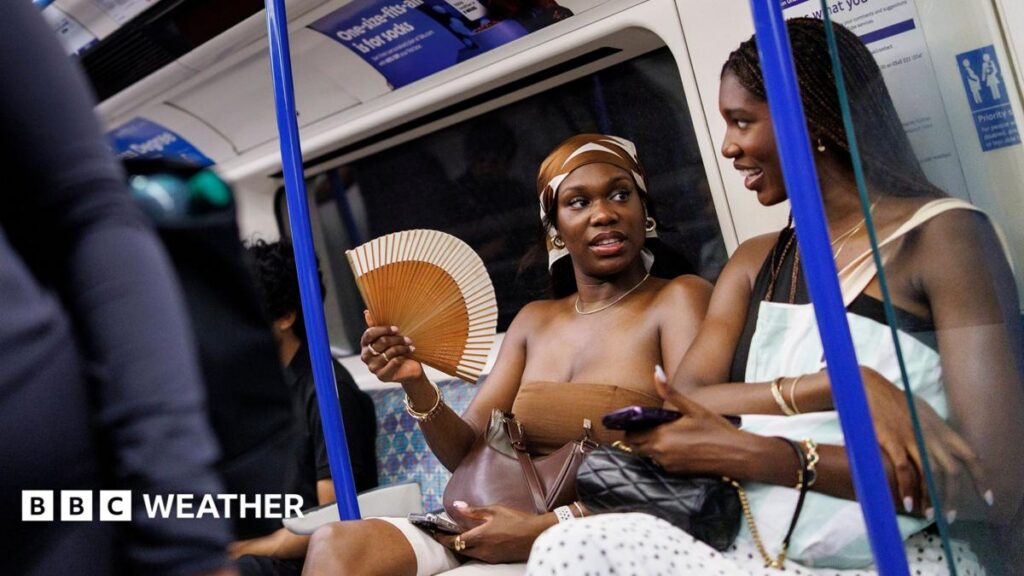
In late July 2026, the United Kingdom is confronting a notable surge in temperatures as a heatwave driven by a plume of hot air from North Africa pushes temperatures to a peak of 35°C in some areas. This marks the fourth widespread heatwave of the year, triggering amber and yellow heat health alerts across multiple regions. While the intense heat is expected to be brief, the combination of soaring temperatures and persistent dry conditions raises concerns about public health, water scarcity, and wildfire risks. This article provides a detailed overview of the heatwave’s progression, its regional impacts, and the outlook for the remainder of the summer.
UK Faces Amber Heat Health Alerts as Fourth Heatwave of 2026 Peaks at 35°C
Heatwave Overview: Intense but Short-Lived
The heatwave hitting the UK in late July 2026 is characterized by a rapid temperature rise driven by a plume of hot air originating from North Africa. This surge has already caused exceptional heat in parts of Iberia and France before reaching the UK on Wednesday, July 29.
Temperatures are forecast to peak midweek, with southern and eastern England, as well as parts of the Midlands, experiencing highs between 30°C and 35°C. Some eastern parts of Wales may also meet heatwave criteria. However, the heatwave’s intensity and duration are expected to be relatively short, with a weather front arriving on Thursday bringing cooler air and a temperature drop of 5 to 8 degrees Celsius.
Despite the cooler air arriving, temperatures will remain above average, lingering in the mid- to high 20s Celsius through the weekend, maintaining warm conditions but alleviating some of the heatwave’s immediate intensity.
Regional Heat Health Alerts and Public Health Concerns
The UK Health Security Agency has issued amber heat health alerts for the East Midlands, East of England, London, and the South East from 9:00 BST on July 29 to 9:00 BST on July 30. These alerts indicate a high likelihood of significant impacts on health and social care services due to the extreme temperatures.
The amber alerts highlight increased risks of heat-related illnesses and mortality, particularly among vulnerable groups such as people aged 65 and older or those with pre-existing health conditions. The agency warns of potential strain on healthcare services as heat exacerbates health issues.
Less severe yellow heat alerts cover the South West, West Midlands, and Yorkshire and the Humber regions during the same period. Meanwhile, much of Wales and Northern England will not meet the three-day threshold of temperatures above 25°C required to classify as a heatwave, and Scotland and Northern Ireland will experience milder conditions with temperatures closer to 20°C.
Drought Conditions and Environmental Impacts
The heatwave comes amid a significant lack of rainfall, intensifying drought conditions across many parts of the UK. England has recorded only 4.4mm of rainfall in July 2026, ranking as one of the driest months on record, comparable to June 1925 and only surpassed by February 1891.
Surrey’s Wisley weather station exemplifies the severity, having experienced 41 consecutive days without rain as of July 28. Wales is also facing drought conditions, with July 2026 currently the fourth driest month since records began.
This prolonged dryness has led to dry soil and vegetation, increasing the risk of wildfires. Several areas have already reported wildfire incidents fueled by the dry conditions. Additionally, millions of households are subject to hosepipe bans to conserve water supplies, reflecting ongoing concerns about water scarcity.
Northern Ireland, Scotland, and parts of northern England may see some rainfall and showers, but the amounts are expected to be minimal, offering little relief to the widespread dryness.
Forecast and Outlook for the Remainder of Summer
Following the peak heat on Wednesday, a weather front will bring cooler, fresher air on Thursday, reducing temperatures by up to 8°C and easing humidity levels. This change will improve overnight comfort and reduce heat stress.
However, warm conditions will persist, with temperatures remaining well above average through the weekend. The southern half of the UK is expected to experience continued dry weather as high pressure builds, prolonging the drought conditions.
Although showers may continue intermittently in northern areas, the overall outlook suggests that the risk of heatwaves and dry spells will remain a concern for the remainder of the summer, necessitating ongoing vigilance regarding health and environmental impacts.
Community Engagement and Staying Safe During Heatwaves
Authorities and weather services encourage the public to share their experiences and coping strategies during the heatwave, particularly those living in high-rise flats, caring for the elderly, or managing businesses affected by the heat.
Practical advice for staying safe includes staying hydrated, avoiding strenuous outdoor activities during peak heat hours, and checking on vulnerable neighbors and family members.
The combination of heat and drought also underscores the importance of water conservation measures and wildfire prevention efforts to mitigate the broader impacts of the heatwave.
What this means
The late July 2026 heatwave in the UK highlights the growing challenges posed by extreme weather events, including health risks, environmental stress, and resource management. While the peak heat is expected to be short-lived, the persistent warmth and drought conditions demand continued attention from authorities and the public alike. By adhering to health advisories, conserving water, and remaining alert to wildfire risks, communities can better navigate the impacts of this and future heatwaves. As climate patterns evolve, understanding and preparing for such events will be crucial to safeguarding health and infrastructure across the UK.
Originally reported by bbc.co.uk. Adapted for our readers with AI assistance.
Thousands of young protesters in Delhi continue to demand education reforms and the resignation of Education Minister Dharmendra Pradhan after a police crackdown. The…
Facing a looming financial collapse, Thames Water’s main lenders have offered the UK government a ‘golden share’ and increased local authority involvement to avoid…
Facing record-breaking temperatures and severe drought, Thames Water has introduced a hosepipe ban impacting over 10 million customers across parts of southern England to…