UEFA Calls Emergency Meeting to Address FIFA’s Controversial World Cup Commercial Plans
FIFA’s recent proposal to sell a 20% stake in the commercial rights of its World Cup competitions to private investors has ignited a storm of controversy in global football. European football’s governing body, UEFA, is responding decisively by organizing an emergency meeting with all its member associations to deliberate on the implications and formulate a collective response. The plan, unveiled without prior consultation with many national associations, including influential UEFA members, has drawn sharp criticism from football authorities, players’ unions, and league organizations alike. This article explores the details of FIFA’s proposal, the reactions from key stakeholders, and the potential ramifications for the sport’s governance and financial future.
UEFA Calls Emergency Meeting to Address FIFA’s Controversial World Cup Commercial Plans
FIFA’s Controversial Proposal: Selling World Cup Stakes to Private Investors
FIFA, under the leadership of President Gianni Infantino, has proposed selling a 20% stake in the commercial rights of its World Cup competitions to private finance. This initiative is led by Thrive Eternal, an investment vehicle linked to Joshua Kushner, who is notably connected to the Trump family through his sister-in-law Ivanka Trump. The proposal includes an initial payment of $40 million, with $20 million offered upfront to member associations that agree to the deal by the September 19 deadline.
The plan aims to inject fresh capital into football’s development, with FIFA citing the need to channel more commercial revenue to the parts of the game that require financial support. Infantino has framed the proposal as an opportunity rather than an obligation, emphasizing potential benefits such as improved infrastructure, stronger national teams, enhanced youth pathways, and greater support for women’s football.
UEFA’s Response and the Emergency Meeting
UEFA has expressed strong reservations about FIFA’s approach and the substance of the proposal. The governing body condemned the manner in which FIFA communicated the plan, highlighting that many associations, including the English Football Association (FA), learned of the proposal only through media reports rather than direct consultation. UEFA described FIFA’s deadline to accept the proposal as a clear indication of the plan’s problematic nature.
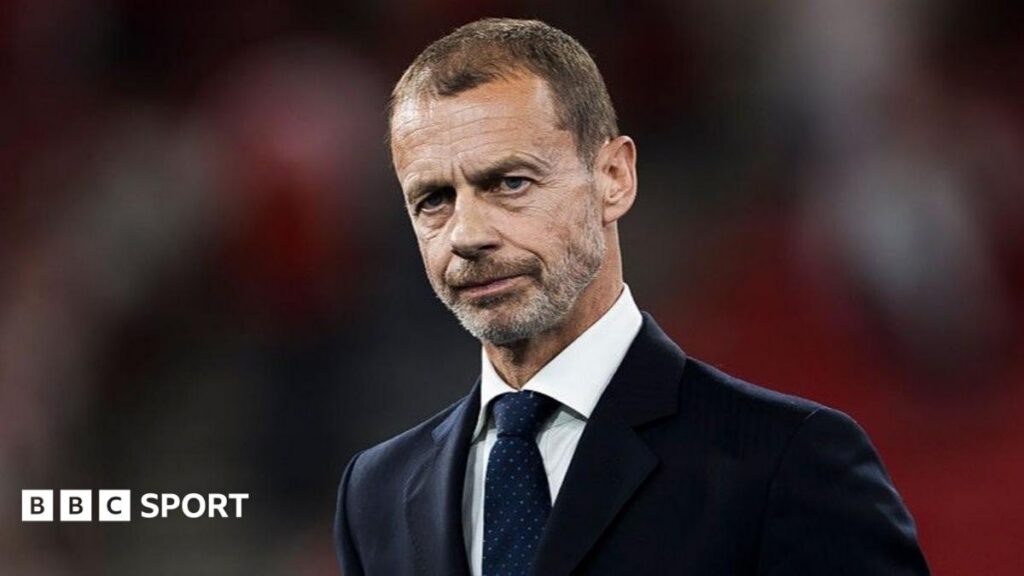
To address these concerns, UEFA President Aleksander Ceferin is convening an emergency virtual meeting with all 55 UEFA member associations. While the exact agenda remains undisclosed, the meeting aims to coordinate a unified response. UEFA recognizes the gravity of the situation, especially given that three of the 2026 World Cup semi-finalists are UEFA members. Although the possibility of UEFA members withdrawing from the tournament is considered a last resort due to the financial implications, the meeting underscores the seriousness with which UEFA views the issue.
Widespread Criticism from Football Stakeholders
FIFA’s proposal has met with broad condemnation from various football stakeholders. The European Leagues organization denounced the plan as reckless and divisive, asserting that the World Cup should not be treated as a private equity asset. Similarly, FIFPRO, the global players’ union, urged FIFA to reconsider the proposal, warning that it could fundamentally alter the incentives and integrity of the competitions.
Prominent football figures have voiced strong opposition. La Liga President Javier Tebas accused Infantino of using the proposal as a political tool to secure votes ahead of the next FIFA congress, criticizing the lack of transparency and the mixing of politics with football governance. Hans-Joachim Watzke, Borussia Dortmund’s president and vice-president of the German Football Association, described the plans as an 'absolute attack on football' and emphasized the importance of a united European front against them.
These reactions highlight concerns about governance, transparency, and the potential long-term impact on football’s commercial and competitive landscape.
FIFA’s Justification and Defense of the Proposal
In response to the backlash, FIFA released an eight-page document explaining the rationale behind the proposal. The organization argues that despite football’s growing commercial value, insufficient funds have reached the areas of the game that need them most. FIFA points to the qualification of smaller nations like Cape Verde, Curacao, Jordan, and Uzbekistan for the World Cup as evidence of its developmental success, attributing some of this progress to the tournament’s expansion to 48 teams.
FIFA also draws parallels with other sports entities such as Formula 1 and major European football leagues, which utilize dedicated commercial operations. The organization insists that private investors would have no influence over the World Cup itself, framing the deal as a financial mechanism to turbocharge global football development.
Infantino has emphasized that the proposal is part of a democratic consultation process and not an obligation, positioning it as a 'golden opportunity' to enhance the sport worldwide.
Potential Implications for Football’s Future
The proposed sale of a stake in World Cup commercial rights represents a significant shift in how football’s premier event could be financed and managed. If implemented, it may set a precedent for increased private investment in football’s governance and commercial operations, raising questions about control, influence, and the sport’s core values.
The controversy also underscores tensions between FIFA and continental confederations like UEFA, which traditionally hold significant sway over football governance. The lack of prior consultation and the secretive nature of the proposal have strained relations and could lead to broader challenges in collaboration and trust.
Financially, while the upfront payments may benefit some associations, critics argue that the long-term consequences of privatizing stakes in football’s flagship competitions could undermine the sport’s integrity and equitable development. The debate also highlights the broader issue of transparency and accountability in football’s global governance.
What this means
FIFA’s proposal to sell a stake in World Cup commercial rights marks a pivotal moment in the governance and commercialization of global football. While the initiative aims to inject much-needed funding into the sport’s development, the lack of transparency and the potential implications for control and influence have provoked strong opposition from UEFA and other key stakeholders. The emergency meeting called by UEFA reflects the seriousness of these concerns and the desire for a coordinated response. Moving forward, the football community faces a critical juncture in balancing commercial innovation with preserving the integrity and collaborative spirit that underpin the world’s most popular sport.
Originally reported by bbc.co.uk. Adapted for our readers with AI assistance.
Thousands of young protesters in Delhi continue to demand education reforms and the resignation of Education Minister Dharmendra Pradhan after a police crackdown. The…
Facing a looming financial collapse, Thames Water’s main lenders have offered the UK government a ‘golden share’ and increased local authority involvement to avoid…
Facing record-breaking temperatures and severe drought, Thames Water has introduced a hosepipe ban impacting over 10 million customers across parts of southern England to…