
Business
Nigeria’s Economic Performance: Domestic Debt Rise and Agriculture Trade Shift in Q2 2026
Nigeria's economic landscape in the second quarter of 2026 presents a mixed picture of fiscal press...
TAMFIS NIG LTDRC 8067447CAC ACTIVEFinima, Bonny Island, Rivers State

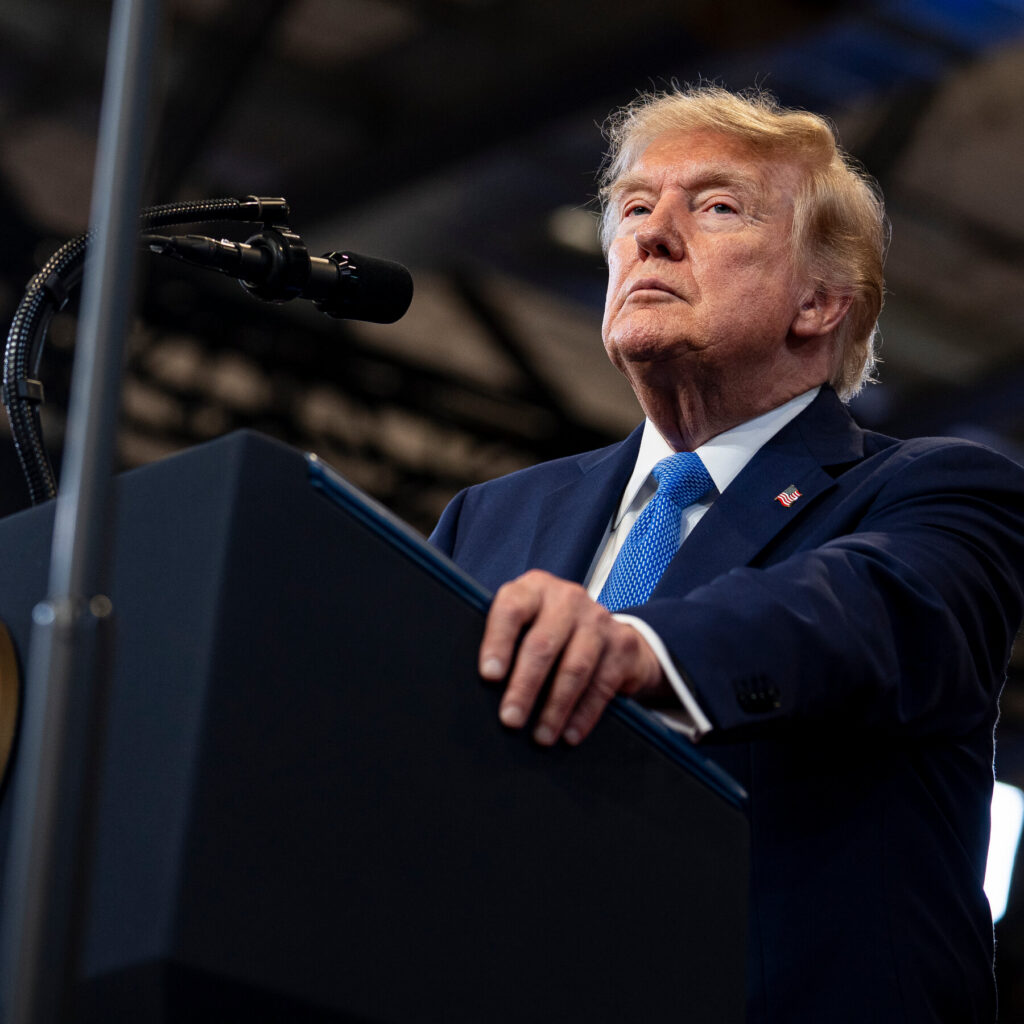
President Trump's promises to restore fiscal order and reduce the amount of America's debt burden have been undercut by spending on the Iran war, tax cuts and tariff refunds. The tension between those earlier pledges and the current fiscal pressures illustrates a familiar challenge in American budgeting: campaign promises to shrink the government's borrowing footprint can run into the hard arithmetic of military commitments, tax policy and trade-related outlays. When a president vows to bring down the debt, the goal normally requires either raising revenue, lowering spending, or both. If instead the government is adding new spending, accepting lower receipts and returning collected duties, the path toward a smaller debt burden becomes steeper.
President Trump's promises to restore fiscal order and reduce the amount of America's debt burden have been undercut by spending on the Iran war, tax cuts and tariff refunds. Together, those three items pull the federal budget in directions that make debt reduction harder. Military spending tied to the Iran war adds to the government's annual outlays. Broad tax cuts reduce the amount of money flowing into the Treasury. Tariff refunds send previously collected trade duties back out the door. Each factor works through a different channel, but all of them widen the gap between what the government takes in and what it spends, a gap that is typically filled by additional borrowing.
Restoring fiscal order is a phrase that usually points to bringing the federal budget closer to balance and slowing the growth of the national debt. In practical terms, it means matching revenues with expenditures, avoiding unnecessary borrowing, and keeping the debt burden from rising faster than the economy can support. Reducing the debt burden itself can mean either lowering the total amount owed or slowing the pace at which that total increases. Politicians often promise both during campaigns because voters tend to worry about large government debt and the interest costs that come with it. Once in office, however, the same officials must contend with the actual bills that arrive: defense appropriations, tax receipts that fall after rate cuts, and refund obligations that must be paid.
Spending on the Iran war adds directly to federal outlays. Military operations require funding for personnel, equipment, transportation, intelligence, logistics and support services. Those costs are typically approved through emergency or regular defense appropriations. Whether the spending is classified as part of the base defense budget or as supplemental war funding, it increases the amount of money the government must disburse. Unless Congress and the administration offset that new spending with cuts to other programs or with additional revenue, the result is a larger deficit. Larger deficits, in turn, are financed by issuing Treasury securities, which raises the amount of debt the country owes. In this way, a commitment to military action can quickly collide with a promise to lighten the nation's debt load.
Tax cuts reduce the revenue the federal government collects from individuals and businesses. When rates are lowered or deductions are expanded, the Treasury receives less money at the same level of economic activity. Proponents often argue that lower taxes can stimulate growth strong enough to make up some or all of the lost revenue over time, but the immediate effect is a smaller stream of receipts. If government spending is not reduced by a corresponding amount, the budget shortfall grows. That shortfall must be covered either by drawing down cash balances, which is usually temporary, or by borrowing more. Because debt reduction requires the government to collect at least as much as it spends, and ideally more, tax cuts without matching spending restraint tend to push the debt burden in the opposite direction from the one promised.
Tariff refunds represent money that was collected at the border and then returned to importers or other claimants. When tariffs are imposed, they raise the price of imported goods and generate revenue for the Treasury. If legal challenges, administrative reviews or policy adjustments lead the government to refund some of that money, the net contribution of tariffs to federal receipts falls. In budget terms, a refund is an outflow that reduces the revenue available to pay for other government operations. Like any other payment, it adds to the side of the ledger that must be financed. If refunds are paired with lower taxes and higher military spending, they become one more reason the administration's debt-reduction goals are difficult to meet.
The combination of these three factors shows why pledges to restore fiscal order are easier to make than to keep. Debt reduction requires the government to spend less than it collects over time. Spending on the Iran war raises outlays. Tax cuts lower revenues. Tariff refunds shrink net receipts. None of these developments is unusual on its own, but occurring together they create a fiscal headwind. An administration that wants to reduce debt in that environment would need either to find large savings elsewhere, to raise new revenue, or to rely on economic growth that outpaces borrowing. Without such offsets, the debt burden is likely to keep growing rather than shrinking.
The current budget picture highlights the distance between a promise to restore fiscal order and the daily choices that shape the federal ledger. President Trump's pledges to reduce America's debt burden were framed around the idea that disciplined management could slow or reverse the growth of government borrowing. Yet spending on the Iran war, tax cuts and tariff refunds all push in the other direction, increasing outflows or reducing inflows. Until those pressures are matched by offsetting savings or new revenue, the debt burden is likely to remain a central and unresolved issue of the administration's economic record.
Originally reported by nytimes.com. Adapted for our readers with AI assistance.
Keep reading
Business
Nigeria's economic landscape in the second quarter of 2026 presents a mixed picture of fiscal press...
Business
Liverpool manager Andoni Iraola is confronting a significant selection headache as two key forwards, Cod...
News
Health News tamfitronics [Editor’snote:[Editor’snote: This transcript was generated using both transcription ...
TAMFIS NIG LTD
Electrical and instrumentation engineering, bid preparation and consulting, IT and software.