Tragedy at Minab: The School Strike That Killed 120 Children in Southern Iran
On 28 February, during the initial hours of the US-Israeli conflict with Iran, a missile strike struck Shajareh Tayyebeh Primary School in Minab, a small city in southern Iran. The attack caused the deaths of 156 people, including 120 children, marking it as the deadliest single civilian incident in the conflict. The tragedy has left a profound scar on the community, raising questions about the conduct of military operations and the protection of civilians in war zones. This article examines the events surrounding the strike, the human stories behind the statistics, and the complex investigations into responsibility for the attack.
Tragedy at Minab: The School Strike That Killed 120 Children in Southern Iran
A School Reduced to Rubble
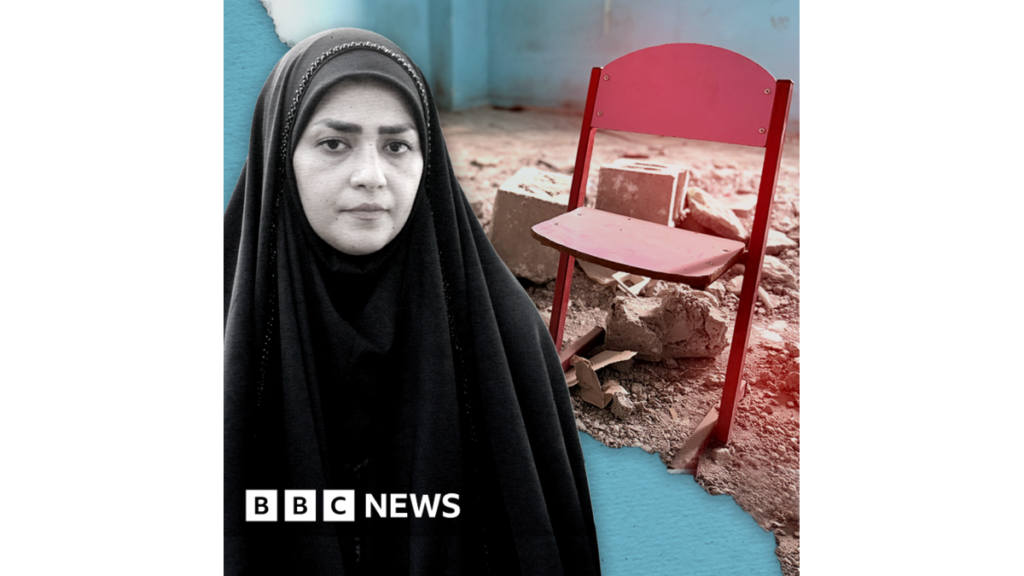
Shajareh Tayyebeh Primary School, once a vibrant place of learning decorated with colorful balloons and flowers, now lies in ruins. The upper floor, where girls were taught, collapsed onto the boys' classrooms below. The building, located next to an Islamic Revolutionary Guard Corps (IRGC) compound, suffered catastrophic damage. Teacher Amaineh Nademi, who had taught first-grade girls for six years, describes the site as "walls that smell of death, grief, and the blood that was shed here."
The school was a familiar place for many in Minab, a city where community ties run deep. The attack transformed an ordinary Saturday morning during the holy month of Ramadan into a scene of unimaginable loss.
The Day of the Strike: Personal Accounts
On the morning of the strike, children were gathered inside the school's prayer hall to recite the Quran. As the conflict escalated, the headteacher announced the school would close early, and teachers began contacting parents to collect their children. Only five of Amaineh's 15 first-grade students remained when the missile struck.
Amaineh recalls the explosion vividly: she was in the corridor when the missile hit, causing her and the children to be thrown violently. Thick black smoke filled the classroom, making it impossible to see or breathe. Amid the chaos, she heard screams and the sound of the building collapsing. Blood covered her and the children she was trying to protect.
Emergency responders arrived quickly, but the devastation was overwhelming. Many families rushed to the site, some barefoot, desperate to find their loved ones. Rescue workers, including Reza Besharati from the Iranian Red Crescent Society, described the grim task of recovering bodies, many dismembered and unrecognizable. Identification often relied on clothing or shoes, a heartbreaking reality for the community.
The strike's origins remain contested. Iranian authorities assert that the attack targeted a civilian school, highlighting the tragic toll on children and civilians. Satellite imagery and expert analysis show the school adjacent to an IRGC compound, which was hit multiple times by precision-guided Tomahawk missiles—weaponry not known to be possessed by Israel or Iran.
US military sources have not officially claimed responsibility but have acknowledged ongoing investigations. Preliminary reports from US media suggest the strike may have resulted from outdated intelligence that mistakenly classified the school as part of a military site. The US Department of Defense has described the investigation as complex due to the school's proximity to an active IRGC missile base, a claim Iran denies.
Historical satellite images indicate the school area was once part of the IRGC compound but has been separated since 2016, with its own entrances and yards. Publicly available information about the school's location was accessible online prior to the attack, raising questions about the accuracy of the intelligence used.
The Human Cost: Stories of Loss and Grief
The community of Minab continues to mourn the loss of its children and educators. The local cemetery has become a nightly gathering place for families, where parents pray beside the graves of their lost loved ones. Among them is Masoumeh Mehran Shekhabadi, who lost her nine-year-old daughter, Setayesh. Identified by the cream-colored socks she wore, Setayesh had dreamed of becoming a teacher, often lining up her dolls and pretending to instruct them.
Masoumeh's grief is intertwined with anger toward those she holds responsible. She questions the innocence of the children: "What was their crime? Did they carry weapons? A pencil, a book, a notebook, and a schoolbag. They had no weapons… They'd gone to learn."
Teachers and parents alike continue to pray at the site of the school, seeking solace amid the ruins. The tragedy has left a lasting impact on the community, with many struggling to come to terms with the scale of the loss.
Broader Implications: Civilians in the Crossfire
The strike on Shajareh Tayyebeh Primary School has become a symbol of the devastating consequences of modern warfare on civilians. It challenges narratives that military operations can be conducted without collateral damage, especially in densely populated or mixed-use areas.
Within Iran, the attack has been used by the government to highlight the human cost of foreign military actions and to rally nationalist sentiment. Conversely, some Iranians who oppose the regime view the strike as a tragic complication that undermines hopes for a swift, targeted conflict.
The incident underscores the importance of accurate intelligence, stringent targeting protocols, and accountability in military engagements. It also raises critical questions about the protection of children and non-combatants in conflict zones, a principle enshrined in international humanitarian law.
What this means
The missile strike on Shajareh Tayyebeh Primary School in Minab stands as a stark reminder of the human cost of armed conflict. Beyond the statistics and political narratives lie the stories of children whose lives were cut short and communities shattered by loss. As investigations continue, the tragedy calls for renewed commitment to safeguarding civilians, especially children, in war zones. It also emphasizes the critical need for transparency and accountability in military operations to prevent such devastating incidents in the future. For the families of Minab, the question remains painfully clear: what crime had these children committed other than seeking education and peace?
Thousands of young protesters in Delhi continue to demand education reforms and the resignation of Education Minister Dharmendra Pradhan after a police crackdown. The…
Facing a looming financial collapse, Thames Water’s main lenders have offered the UK government a ‘golden share’ and increased local authority involvement to avoid…
Facing record-breaking temperatures and severe drought, Thames Water has introduced a hosepipe ban impacting over 10 million customers across parts of southern England to…