Top Stories
Discovery beneath soccer field reveals massive medieval convent lost for centuries
NEWYou can now listen to Fox News articles! Researchers recently uncovered a long-lost medieval convent in an unusual location in Denmark: a soccer field…
TAMFIS NIG LTDRC 8067447CAC ACTIVEFinima, Bonny Island, Rivers State

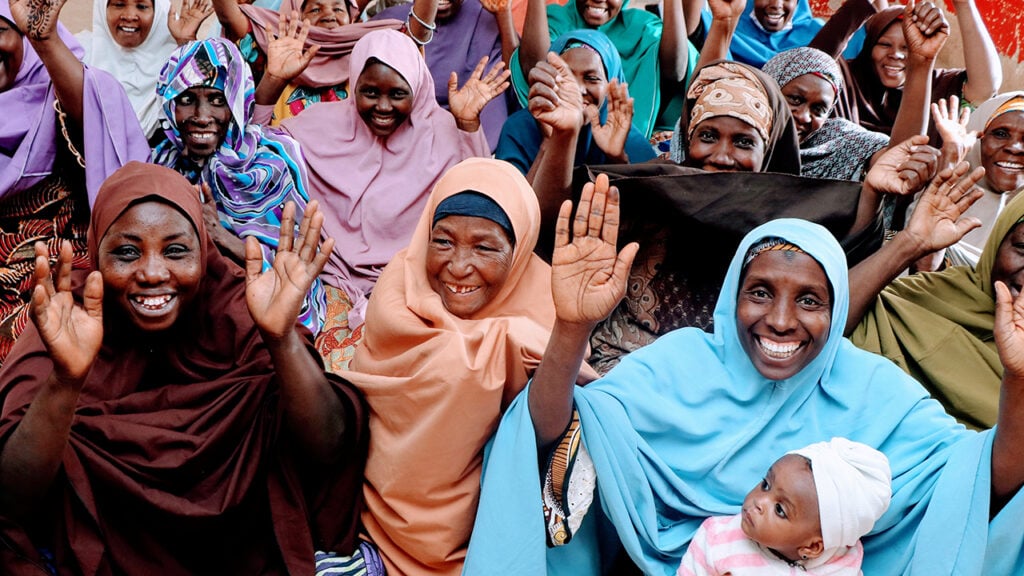
Nigeria, Africa's most populous nation, faces a multitude of challenges in governance and development across its 36 states. A recent midterm governance performance review, conducted by the UK-based Good Governance Rating Index (GGRI), has brought to light the concerning state of affairs in Zamfara, Kwara, and Benue. These states have been ranked as the poorest-managed in Nigeria between 2023 and 2025, reflecting systemic issues in leadership, security, infrastructure, economic opportunities, and social welfare. This article explores the findings of the report, the contributing factors to their poor performance, and the implications for citizens and policymakers alike.
The Good Governance Rating Index (GGRI) is a UK-based organization that evaluates leadership quality, service delivery, and accountability in developing democracies. Their midterm report, covering the period from May 2023 to August 2025, uses a comprehensive methodology that includes official government data, independent audits, field surveys, and citizen feedback to assess governance performance across Nigerian states.
The latest findings identify Zamfara, Kwara, and Benue as the worst-performing states in Nigeria. These states scored well below the national average across several key indicators such as health, education, infrastructure, economic opportunities, transparency, and security. The report underscores a pattern of weak leadership and ineffective policy implementation that has exacerbated the hardships faced by residents.
The GGRI’s assessment serves as a critical wake-up call for stakeholders, highlighting the urgent need for reforms to reverse the downward trend in governance and improve living conditions in these states.
Zamfara State ranked the lowest in the governance performance review, primarily due to its worsening security situation. The state has been plagued by rampant armed banditry, kidnappings, and violent conflicts, which have severely disrupted social and economic activities. Despite significant allocations for security, the absence of a coherent developmental agenda has allowed insecurity to thrive.
The report criticizes the state government under Governor Dauda Lawal for failing to translate resources into meaningful development. Infrastructure across Zamfara is deteriorating, public workers’ welfare remains neglected, and corruption continues to undermine state efforts. These governance failures have compounded the challenges faced by the population.
Education and health sectors are particularly affected. Over 60% of school-age children in rural areas are either out of school or attending poorly equipped classrooms. Health facilities suffer from chronic underfunding, contributing to some of the highest maternal mortality rates in the country. Political patronage appears to take precedence over institutional reforms, deepening the plight of ordinary citizens.
Kwara State, led by Governor AbdulRahman AbdulRazaq, was ranked the second-poorest managed state. Despite public declarations of reform and development, the GGRI report reveals that economic and social indicators have largely stagnated. Poverty is deepening, and the state’s economy shows little signs of growth or diversification.
Infrastructure decay is evident in Kwara’s urban and rural areas. Ilorin, the state capital, grapples with poor road networks, unreliable water supply, and inadequate public housing. Environmental degradation and dirty streets reflect underlying governance challenges and corruption.
The education sector faces a decline, with many schools lacking qualified teachers and essential learning materials. Healthcare outcomes are similarly bleak, as rural health centers remain understaffed and poorly equipped. Governor AbdulRazaq’s administration is criticized for relying more on rhetoric and public relations than concrete actions that improve citizens’ daily lives.
Benue State ranks third among the poorest-managed states, where insecurity, poverty, and governance inefficiencies have combined to deepen the crisis. Under Governor Hyacinth Alia, the state has witnessed the collapse of rural infrastructure, with many primary schools and hospitals abandoned or non-functional.
The report highlights a lack of decisive action to address insecurity, which has led to a growing number of internally displaced persons lacking hope for resettlement. This insecurity has disrupted agricultural activities, the backbone of Benue’s economy, further worsening poverty.
Corruption remains pervasive among state officials, exacerbating the poor management of resources. Both rural and urban environments suffer from neglect, with dirty surroundings and inadequate public services reflecting the state’s governance failures.
Despite their unique contexts, Zamfara, Kwara, and Benue share several governance challenges. Weak leadership is a recurring theme, marked by poor policy choices, lack of transparency, and ineffective resource management. These factors have hindered progress in critical sectors like health, education, and infrastructure.
Insecurity remains a significant obstacle, especially in Zamfara and Benue, where armed conflicts and violence have disrupted social cohesion and economic activities. The failure to implement robust security strategies has left citizens vulnerable and displaced.
Corruption and political patronage undermine efforts to deliver quality public services. The diversion of funds and lack of accountability have stifled development, eroded public trust, and perpetuated poverty within these states.
The poor governance performance in Zamfara, Kwara, and Benue has profound implications for the wellbeing of millions of Nigerians. Citizens in these states face daily hardships, including inadequate healthcare, poor education, lack of economic opportunities, and insecurity.
These conditions contribute to increased poverty rates, social unrest, and migration, both internally and across borders. The challenges also strain federal resources as the national government steps in to address security and humanitarian crises.
At a broader level, the underperformance of these states hampers Nigeria’s overall development agenda. It highlights the urgent need for systemic reforms, improved accountability, and citizen-centered governance to ensure inclusive growth and stability.
Addressing the governance deficits in Zamfara, Kwara, and Benue requires a multifaceted approach. Strengthening leadership accountability through transparent governance and anti-corruption measures is essential to rebuild public trust.
Investing in security infrastructure and community-based peacebuilding initiatives can help restore stability, particularly in conflict-affected areas. Enhanced collaboration between state and federal security agencies is critical to curbing violence and protecting citizens.
Revitalizing social services such as education and healthcare demands increased budgetary allocations, improved management, and community engagement. Empowering local governments and civil society organizations can also promote better service delivery and citizen participation.
Citizens and civil society organizations have a crucial role in holding governments accountable and advocating for better governance. Active participation in governance processes, such as monitoring public projects and demanding transparency, can pressure leaders to perform better.
Public feedback mechanisms and social audits provide platforms for communities to voice concerns and highlight service delivery gaps. Empowering marginalized groups, including women and youth, ensures inclusive development and strengthens social cohesion.
Building awareness on governance issues through education and media can mobilize collective action. Collaborative efforts between citizens, civil society, and government agencies are vital for sustainable improvements and democratic consolidation in these states.
The governance performance review by the Good Governance Rating Index paints a sobering picture of Zamfara, Kwara, and Benue states in Nigeria. The persistent challenges of insecurity, poor leadership, corruption, and inadequate service delivery have left millions of citizens vulnerable and stunted the development potential of these regions. Addressing these governance deficits requires concerted efforts from government authorities, civil society, and citizens alike. Transparent leadership, strategic security interventions, and revitalized investments in social infrastructure are critical to reversing the decline and fostering sustainable development. The future of these states hinges on the collective will to implement meaningful reforms that prioritize the welfare and dignity of their people.
Source: guardian.ng. Originally reported there; this article has been adapted for Tamfitronics readers.
Keep reading
Top Stories
NEWYou can now listen to Fox News articles! Researchers recently uncovered a long-lost medieval convent in an unusual location in Denmark: a soccer field…
News
By Engr. Tamunofiniarisa BrownReading Time: 6 Minutes The conflict between Russia and Ukraine is often framed in the media as a simple battle between…
TAMFIS NIG LTD
Electrical and instrumentation engineering, bid preparation and consulting, IT and software.