
Top Stories
KFF Health News’ ‘What the Health?’: The Supreme Court and the Abortion Pill
Since the Supreme Court overturned Roe v. Wade in 2022, the landscape of abortion rights in the United S...
TAMFIS NIG LTDRC 8067447CAC ACTIVEFinima, Bonny Island, Rivers State

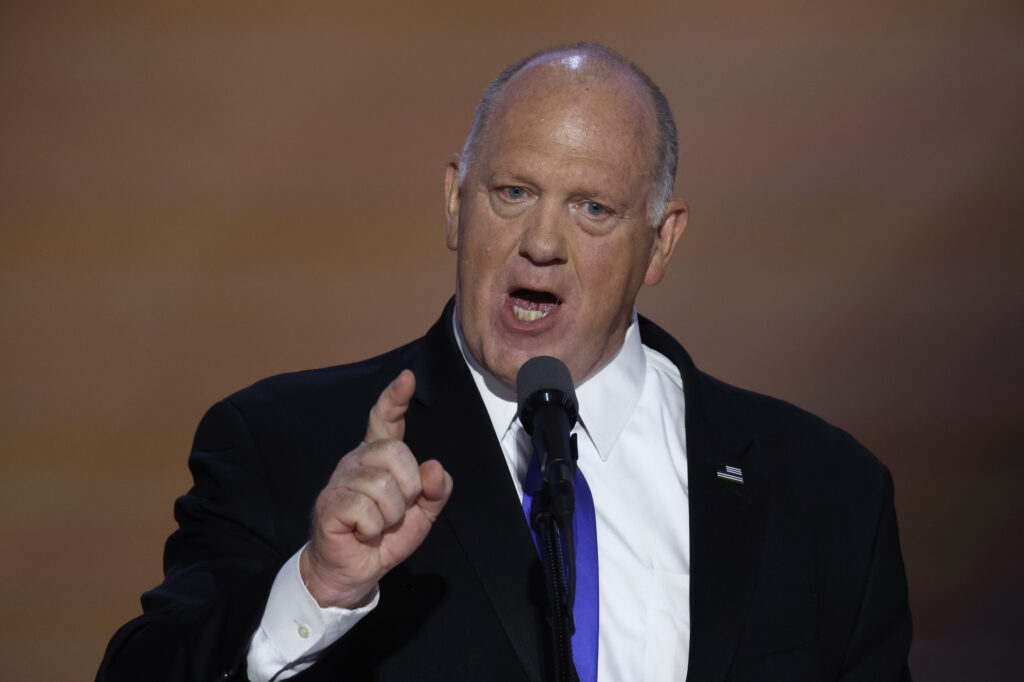
As the United States prepares for the new administration under President-elect Donald Trump, immigration policy remains a focal point of intense debate. Central to this agenda is Tom Homan, Trump's appointed border czar and former acting director of Immigration and Customs Enforcement (ICE). Homan has recently delivered a pointed warning to Democratic lawmakers and sanctuary cities resisting the incoming administration's stricter immigration measures. His statements underscore the administration's resolve to enforce the law aggressively, including large-scale deportations and enhanced cooperation with local law enforcement. This article delves into Homan's warnings, the political dynamics surrounding immigration enforcement, and the implications for U.S. border security and immigrant communities.
Tom Homan, a seasoned immigration enforcement official, was appointed by President-elect Donald Trump to lead the administration's efforts to secure the U.S. border. Having served as acting director of ICE from 2017 to 2018, Homan brings extensive experience in immigration policy enforcement to the role. His appointment signals a hardline approach to immigration, with a focus on strict border security and mass deportations.
Homan's role as border czar places him at the forefront of implementing the administration's immigration agenda. This includes coordinating federal resources, enhancing border patrol operations, and ensuring cooperation between federal and local law enforcement agencies. His leadership is critical to the success or failure of Trump's promises to reduce illegal immigration significantly.
Given his background and public statements, Homan is expected to prioritize the removal of undocumented immigrants, especially those with criminal records. His approach reflects the administration's broader policy of zero tolerance for illegal immigration, aiming to deter unauthorized border crossings and reinforce the rule of law.
In a recent interview on Fox News's Sunday Morning Futures, Tom Homan issued a clear and direct warning to sanctuary cities and Democratic lawmakers opposing the Trump administration's immigration policies. He emphasized that local governments obstructing federal efforts to detain and deport undocumented immigrants would face consequences.
Homan criticized legislation from cities like San Diego and states such as Colorado that limit cooperation with federal immigration authorities. He argued that denying ICE access to local jails to apprehend undocumented immigrants compromises community safety and puts officers and the broader public at risk.
Highlighting the administration's resolve, Homan stated that if sanctuary policies prevent ICE from detaining individuals in custody, federal agents would actively seek out those individuals in the community. This approach, he warned, would lead to increased arrests, including those considered non-priority by previous administrations.
Immigration was a central theme in Donald Trump's successful 2024 presidential campaign. He pledged to implement the largest mass deportation program in U.S. history, targeting undocumented immigrants, particularly those with criminal records. This pledge resonates with a segment of the electorate concerned about border security and public safety.
Tom Homan's appointment as border czar is pivotal to realizing this vision. His enforcement strategies are expected to be aggressive, focusing on detaining and deporting unauthorized immigrants swiftly. This policy aims to deter illegal border crossings and reduce the number of undocumented immigrants residing in the country.
Critics argue that mass deportations could lead to humanitarian concerns and strain community relations. However, supporters contend that strict enforcement is necessary to uphold immigration laws and protect American citizens. Homan's role is to navigate these challenges and execute the administration's policies effectively.
Republican lawmakers have largely applauded Homan's appointment and his tough stance on immigration enforcement. Texas Senator Ted Cruz praised Homan's seriousness and commitment to addressing the border crisis, emphasizing the need to locate and remove dangerous criminals released into communities nationwide.
Conversely, Democratic responses have been mixed. While many oppose the administration's hardline policies, some Democrats, such as Representative Henry Cuellar, have expressed willingness to engage with Homan to discuss practical border security measures. This openness suggests potential for bipartisan cooperation despite ideological differences.
Local leaders like New York Mayor Eric Adams have also signaled interest in dialogue. Adams is scheduled to meet with Homan to better understand the administration's operational plans, reflecting a pragmatic approach to addressing immigration challenges in urban settings.
Sanctuary cities and states have enacted policies that limit cooperation with federal immigration authorities, aiming to protect undocumented immigrants from deportation. These policies often include restricting ICE access to local detention facilities and prohibiting local law enforcement from inquiring about immigration status.
Tom Homan has been critical of these sanctuary measures, arguing that they hinder effective enforcement and compromise public safety. He contends that allowing potentially dangerous individuals to remain free in communities increases risks for residents and law enforcement personnel alike.
The tension between federal immigration authorities and sanctuary jurisdictions represents a significant obstacle to cohesive immigration policy. Homan’s warning underscores the administration’s intent to challenge these policies, potentially through legal action or increased federal enforcement efforts.
Human rights organizations and immigrant advocacy groups have condemned Tom Homan's appointment and the Trump administration's immigration policies. Critics highlight Homan’s previous role in controversial practices such as family separations and argue that his approach undermines immigrant rights and community trust.
Advocates express concern that aggressive enforcement and mass deportations may lead to increased fear among immigrant communities, discouraging cooperation with law enforcement and access to essential services. They argue that such policies disproportionately affect marginalized populations and exacerbate social inequalities.
Despite these criticisms, the administration maintains that enforcing immigration laws is necessary for national security and public safety. The debate over balancing enforcement with human rights protections remains a contentious issue in U.S. immigration policy.
The appointment of Tom Homan and his warnings to Democrats signal a shift toward a more aggressive federal approach to border security. Enhanced enforcement efforts, including mass deportations and increased cooperation with local law enforcement, are expected to redefine the landscape of immigration policy.
This approach aims to curb illegal immigration by deterring unauthorized border crossings and swiftly removing those residing illegally in the country. The administration’s success depends on its ability to implement policies effectively while managing political opposition and logistical challenges.
Border security remains a complex issue involving humanitarian, legal, and economic considerations. Homan’s leadership will play a decisive role in shaping how the United States balances these competing interests in the coming years.
As the Trump administration moves forward with its immigration agenda, Tom Homan’s role as border czar will be integral to navigating political resistance and operational hurdles. The administration faces the challenge of enforcing laws while addressing concerns raised by local governments, advocacy groups, and international observers.
Potential legal battles over sanctuary policies and immigration enforcement are likely to intensify. The administration may seek to leverage federal funding or judicial avenues to compel cooperation from non-compliant jurisdictions.
Moreover, balancing enforcement with humanitarian considerations, such as family unity and refugee protections, will remain a critical challenge. The evolving political landscape will test the administration’s ability to implement its policies sustainably and effectively.
Tom Homan’s appointment as President-elect Donald Trump’s border czar and his recent warnings to Democratic lawmakers highlight the administration’s uncompromising stance on immigration enforcement. His emphasis on cooperation between federal and local authorities, coupled with a commitment to mass deportations, represents a significant shift in U.S. immigration policy. While this approach has garnered strong support from Republicans, it faces resistance from sanctuary jurisdictions, advocacy groups, and some Democrats. As the administration moves forward, the balance between law enforcement, public safety, and human rights will be a defining challenge shaping the nation’s immigration landscape for years to come.
Originally reported by newsweek.com. Adapted for our readers.
Keep reading
Top Stories
Since the Supreme Court overturned Roe v. Wade in 2022, the landscape of abortion rights in the United S...
Top Stories
Top Stories Tamfitronics One evening in May, nursing assistant Debra Ragoonanan’s vision blurred during her shift at a state-run Massachusetts vet...
TAMFIS NIG LTD
Electrical and instrumentation engineering, bid preparation and consulting, IT and software.