
Top Stories
Discovery beneath soccer field reveals massive medieval convent lost for centuries
NEWYou can now listen to Fox News articles! Researchers recently uncovered a long-lost medieval convent in an unusual location in Denmark: a soccer field…
TAMFIS NIG LTDRC 8067447CAC ACTIVEFinima, Bonny Island, Rivers State

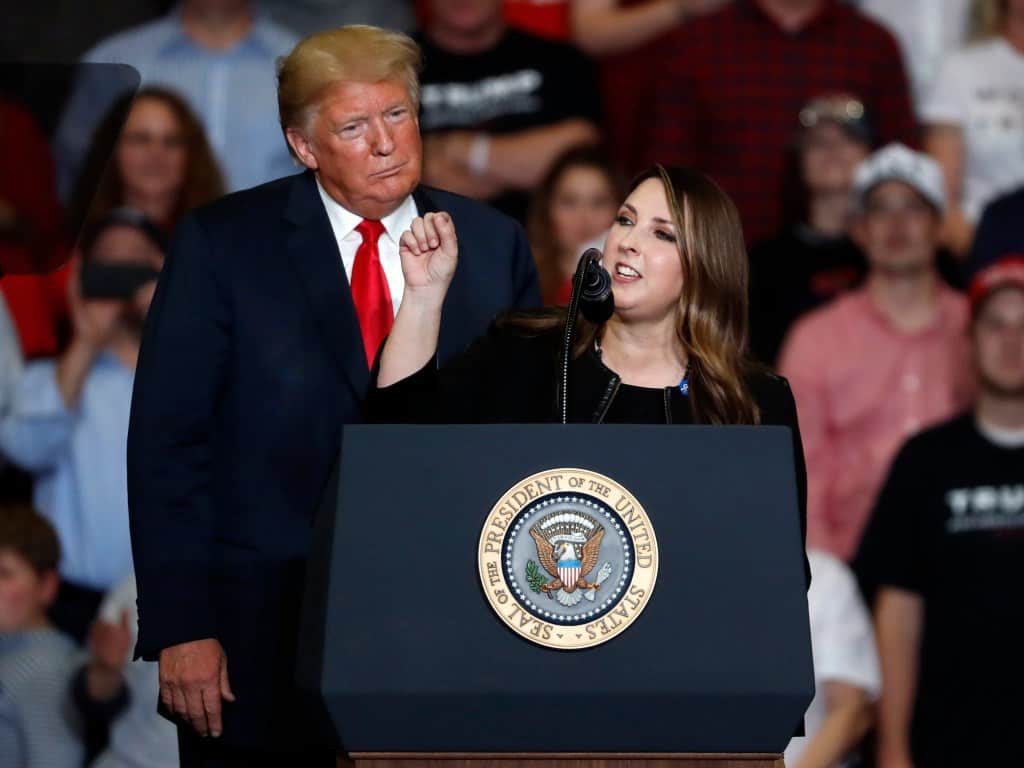
The political landscape recently witnessed a notable development when NBC News decided to terminate Ronna McDaniel’s role as a paid contributor following vocal criticism from several prominent on-air personalities. McDaniel, who served as the Republican National Committee (RNC) chair, has been a significant figure in GOP politics, especially during the Trump era. Former President Donald Trump publicly reacted to this decision, condemning NBC’s move and describing McDaniel’s current position as a sort of political limbo he dubbed 'Never Neverland.' This article delves into the circumstances surrounding McDaniel’s departure from NBC, the ensuing reactions from Trump and others, and the broader implications for the Republican Party and media relations.
Ronna McDaniel has been a central figure in Republican politics, serving as the chairwoman of the Republican National Committee since 2017. She played a pivotal role in organizing and strategizing for the GOP during critical election cycles, including the 2020 presidential race. Her leadership was instrumental in mobilizing support for GOP candidates across various states, notably helping Donald Trump secure key battleground states.
McDaniel's tenure was marked by both praise and criticism. Supporters credited her with strengthening the party’s grassroots operations and fundraising capabilities. However, detractors pointed to internal party divisions and challenges in uniting the GOP base as areas where her leadership faced scrutiny. Despite this, she remained a loyal Trump ally, often defending his policies and rhetoric publicly.
Her influence extended beyond party mechanics; McDaniel became a frequent commentator and contributor on political news networks, offering insights from a Republican perspective. This visibility made her a recognizable figure in the media and a bridge between GOP leadership and public discourse.
In a surprising move, NBC News announced it would no longer feature Ronna McDaniel as a paid contributor. This decision came after several on-air personalities expressed strong opposition to her role on the network. Notable critics included MSNBC hosts Rachel Maddow, Joe Scarborough, Mika Brzezinski, and Chuck Todd, who voiced concerns about McDaniel’s political stances and previous statements.
The backlash intensified quickly, prompting NBCUniversal Chairman Cesar Conde to intervene. In a memo to staff, Conde cited the concerns raised by NBC personalities and the broader audience as reasons for ending McDaniel’s contributor contract. This action underscored the network’s sensitivity to public and internal opinion amid a polarized political environment.
McDaniel’s removal from NBC marked a significant moment, highlighting the challenges political figures face when navigating media roles that require balancing partisan loyalty with journalistic standards. It also reflected the increasing tensions between conservative voices and mainstream media outlets.
Former President Donald Trump responded vigorously to NBC’s decision, taking to his social media platform, Truth Social, to criticize the network. He described McDaniel’s firing as unjust and attributed it to the influence of what he called 'Radical Left Lunatics' controlling the media landscape. Trump accused NBC of weakness, emphasizing the network’s struggles with ratings and its reliance on overpaid talent.
Trump’s comments went beyond defending McDaniel; he metaphorically placed her in a political purgatory he called 'Never Neverland.' This phrase suggested a state of limbo or disconnection from real political power, implying that McDaniel’s current status was precarious and undesirable. His use of this term added a dramatic flair to the ongoing discourse surrounding McDaniel’s career and influence.
Moreover, Trump’s vocal support for McDaniel reaffirmed their longstanding political alliance. He praised her previous efforts, especially her role in securing Michigan for him in the 2016 election. His endorsement highlighted the enduring loyalty within certain GOP factions despite recent leadership changes.
Ronna McDaniel’s departure from the RNC chairmanship earlier this year signaled a shift within the Republican Party’s leadership. Her exit followed mounting criticism over the party’s direction and internal challenges. The leadership transition saw Trump-backed North Carolina GOP chairman Michael Whatley elected as the new RNC chair, with Lara Trump, Donald Trump’s daughter-in-law, named co-chair.
This leadership change reflects an ongoing struggle within the GOP to balance traditional party structures with the influence of Trump-aligned factions. McDaniel’s firing from NBC and her previous resignation illustrate the complexities of navigating party loyalty, media exposure, and political strategy amid evolving party dynamics.
The reshuffling at the RNC also points to broader debates about the future of the Republican Party, including how to engage with media platforms and manage public perceptions. McDaniel’s experience serves as a case study of these tensions.
The media reaction to NBC’s decision varied widely, with some commentators viewing it as a necessary response to McDaniel’s controversial positions, while others saw it as evidence of media bias against conservative voices. MSNBC hosts were notably critical, framing her contributor role as incompatible with the network’s journalistic values.
On the other hand, conservative media outlets and commentators framed the firing as a politically motivated act, arguing that it reflected a broader pattern of silencing conservative perspectives in mainstream media. This narrative fueled further polarization and debate about media fairness and ideological diversity.
Legal experts have also weighed in, noting that McDaniel’s reported search for legal counsel following her dismissal could lead to discussions about employment contracts, free speech, and the rights of media contributors. The legal dimension adds another layer of complexity to the situation.
Following her departure from NBC, reports indicate that Ronna McDaniel is exploring legal options, potentially seeking an attorney to address her termination. This move suggests that McDaniel may challenge the network’s decision or negotiate terms related to her contract and public reputation.
McDaniel’s future in media and politics remains uncertain. While her direct involvement with the RNC has ended, her experience and connections could allow her to remain influential within GOP circles or transition to other roles, such as consulting or political commentary on different platforms.
The legal and professional outcomes of this episode will likely influence how political figures engage with media companies moving forward, particularly in an era marked by heightened scrutiny and ideological divides.
McDaniel’s firing and Trump’s reaction illuminate ongoing tensions between conservative political figures and mainstream media outlets. As media companies grapple with audience expectations and internal dynamics, the treatment of partisan contributors has become a flashpoint for debates about bias and representation.
For the GOP, these developments underscore the challenges of managing public messaging and media engagement in a fragmented media environment. Striking a balance between media exposure and maintaining party unity is increasingly complex, especially as partisan identities become more pronounced.
Ultimately, the McDaniel-NBC episode serves as a microcosm of the broader struggle over narrative control, media influence, and political power in contemporary American politics.
Ronna McDaniel’s removal from NBC News reflects the intense scrutiny political figures face when crossing into media roles, especially amid polarized political climates. The backlash from NBC personalities and subsequent network decision highlight the challenges of maintaining partisan commentators on mainstream platforms.
Donald Trump’s vocal defense of McDaniel and his characterization of her situation as 'Never Neverland' reinforce the ongoing factionalism within the Republican Party and the personal loyalties that shape political alliances. This rhetoric also exemplifies the continued interplay between political leadership and media narratives.
Looking forward, the situation raises important questions about the future of GOP leadership, media engagement strategies, and the legal ramifications of contributor contracts. Observers will be watching closely to see how McDaniel navigates her next steps and how the GOP manages its evolving relationship with the press.
The dismissal of Ronna McDaniel from NBC News marks a significant moment at the intersection of politics and media. It underscores the intricate balance political figures must maintain when engaging with news platforms, especially amid intense ideological divides. Former President Donald Trump’s sharp criticism and the metaphor of 'Never Neverland' vividly capture the precarious position McDaniel now occupies. As McDaniel explores legal avenues and the GOP adjusts its leadership, the episode offers critical insights into the evolving dynamics between political actors and the media. Moving forward, this case will likely influence how political commentary is managed and perceived within mainstream outlets, shaping the discourse around media fairness, political loyalty, and public influence.
Originally reported by nypost.com. Adapted for our readers.
Keep reading
Top Stories
NEWYou can now listen to Fox News articles! Researchers recently uncovered a long-lost medieval convent in an unusual location in Denmark: a soccer field…
News
By Engr. Tamunofiniarisa BrownReading Time: 6 Minutes The conflict between Russia and Ukraine is often framed in the media as a simple battle between…
TAMFIS NIG LTD
Electrical and instrumentation engineering, bid preparation and consulting, IT and software.