
Top Stories
Discovery beneath soccer field reveals massive medieval convent lost for centuries
NEWYou can now listen to Fox News articles! Researchers recently uncovered a long-lost medieval convent in an unusual location in Denmark: a soccer field…
TAMFIS NIG LTDRC 8067447CAC ACTIVEFinima, Bonny Island, Rivers State

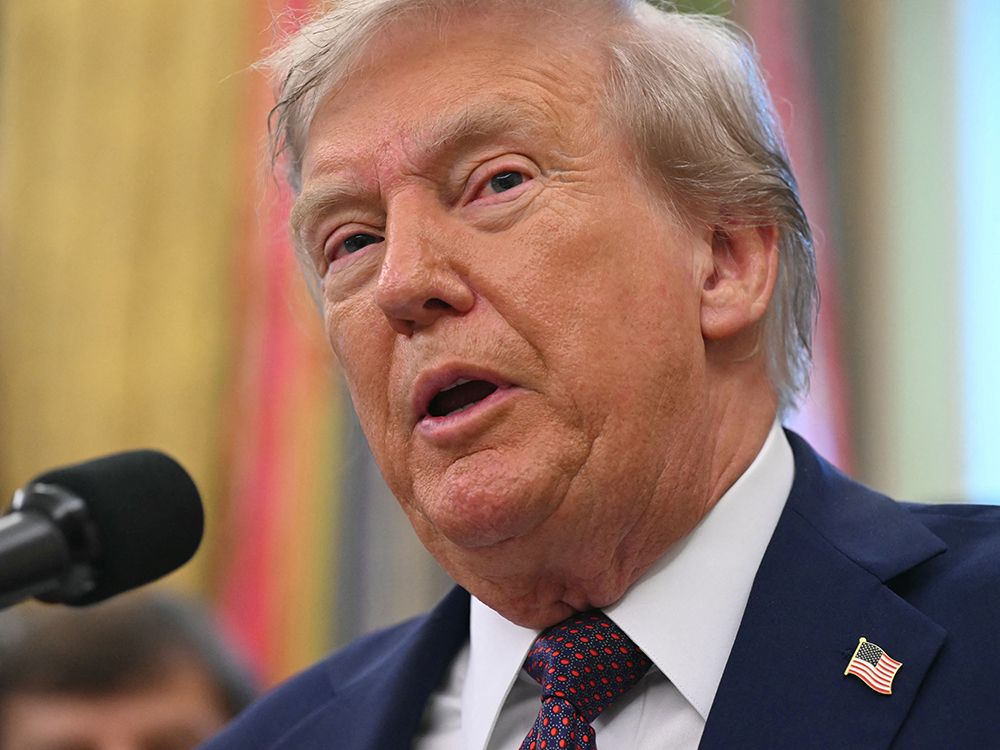
In recent weeks, social media platforms and online forums have been rife with speculation regarding former U.S. President Donald Trump's health. Rumors ranging from minor ailments to more serious conditions, including unfounded claims of his death, have captured public attention. During a White House press conference, Trump categorically denied these rumors, labeling them as ‘fake news’. This article delves into the origins of these health-related rumors, Trump's public response, and the implications of such misinformation in the digital age.
The speculation about Donald Trump's health intensified following a noticeable absence from public appearances and press conferences. For several days, the former president, known for his frequent media engagements, remained out of the spotlight, which sparked curiosity and concern among the public and media outlets alike.
Contributing to the speculation were recent images circulating online that showed Trump with a bruised hand and swollen ankles. These visible signs led to widespread conjecture that something more serious might be affecting his well-being, especially given his age and history as the oldest person ever elected to the U.S. presidency.
Social media platforms, particularly Twitter (now rebranded as X), became hotbeds for rumors, with some users even suggesting that Trump had passed away and that the White House was orchestrating a cover-up. Such claims, lacking credible evidence, spread rapidly and fueled an atmosphere of uncertainty.
During a press conference held in the White House’s Oval Office, Donald Trump addressed these swirling rumors directly. When questioned about the speculation that he might be seriously ill or even deceased, Trump responded with a mixture of humor and firmness, dismissing the claims as ‘fake news’.
He remarked on the irony of being declared dead on social media, responding to a reporter’s joking inquiry about how he found out about his supposed demise. Trump’s reaction underscored his frustration with the misinformation and the media’s role in perpetuating it.
Furthermore, Trump pointed out that his recent absence from public events was misconstrued. He emphasized that although he had refrained from holding press conferences for a few days, he remained active and engaged, highlighting his participation in leisure activities such as playing golf during the Labor Day weekend.
The rapid dissemination of unverified information on social media platforms played a significant role in escalating the health rumors. Hashtags like #trumpdead trended on Twitter/X, amplifying the narrative despite the lack of factual basis.
Social media’s algorithm-driven content promotion often prioritizes sensational or emotionally charged posts, which can lead to the viral spread of misinformation. In the case of Trump’s health rumors, this dynamic contributed to widespread public confusion.
Additionally, the involvement of influential figures and political allies, such as Elon Musk, who owns X, added complexity to the situation. The platform’s association with Trump’s political network sometimes blurred the lines between credible news and speculation, complicating efforts to verify facts.
Trump’s decision to limit his public appearances for several days deviated from his usual media strategy, which typically involves frequent and direct communication with the public. This break from routine was closely scrutinized by journalists and commentators.
Media outlets speculated about the possible reasons for the absence, ranging from health concerns to strategic political considerations. However, no official statements indicated any serious health issues during that period.
It is important to note that public figures often take breaks from the media for various reasons, and such absences do not necessarily indicate underlying health problems. Despite this, the combination of his age and visible physical signs made the rumors more plausible to some observers.
At 79 years old, Donald Trump is the oldest individual to have held the U.S. presidency, a fact that naturally invites scrutiny regarding his physical health and stamina. Age-related health concerns are common topics when discussing senior political leaders.
Recent images showing Trump’s bruised hand and swollen ankles further heightened public concern. While such symptoms can result from minor injuries or temporary conditions, they nevertheless fueled speculation about his overall health status.
Public perception of a leader’s health can influence political stability and voter confidence. Consequently, rumors, whether true or false, can have significant repercussions beyond personal privacy, affecting national and international political dynamics.
The White House has historically been cautious about releasing detailed medical information about sitting presidents or former ones, often citing privacy and security concerns. This approach sometimes leads to gaps in public knowledge and invites speculation.
In response to the latest rumors, the White House reiterated that no serious health issues were present and that Trump remained in good condition. However, the limited disclosure did little to quell the rampant rumors on social media.
The balance between transparency and privacy remains a complex issue, especially in the digital era where misinformation can spread quickly. Clear, timely communication from official sources is essential to counteract false narratives.
The case of Trump’s health rumors exemplifies the broader challenge of misinformation in contemporary political discourse. False claims can undermine trust in institutions and create divisions among the public.
Misinformation also places additional burdens on media organizations and fact-checkers who strive to verify information and provide accurate reporting. The pace of rumor propagation often outstrips efforts to correct the record.
Educating the public about critical media consumption and promoting digital literacy are vital strategies to mitigate the impact of misinformation. Encouraging skepticism toward unverified claims can help foster a more informed electorate.
As digital platforms continue to evolve, the responsibility of both media outlets and users becomes increasingly important. Responsible reporting that prioritizes verification can reduce the spread of harmful rumors.
Public figures, including politicians and their teams, can also contribute by maintaining open communication channels and addressing concerns proactively to prevent speculation.
Ultimately, a collaborative effort between the media, public officials, and citizens is essential to uphold the integrity of information and promote a healthier political environment free from baseless rumors.
The recent wave of rumors concerning Donald Trump’s health underscores the challenges posed by misinformation in the digital age. While social media platforms can rapidly disseminate unverified claims, the importance of critical evaluation and responsible communication remains paramount. Trump’s outright dismissal of these rumors as ‘fake news’ highlights the need for transparency and clarity from public figures to prevent speculation. As society navigates an increasingly complex information landscape, fostering media literacy and encouraging fact-based discourse will be essential in maintaining public trust and political stability.
Originally reported by nationalpost.com. Adapted for our readers.
Keep reading
Top Stories
NEWYou can now listen to Fox News articles! Researchers recently uncovered a long-lost medieval convent in an unusual location in Denmark: a soccer field…
News
By Engr. Tamunofiniarisa BrownReading Time: 6 Minutes The conflict between Russia and Ukraine is often framed in the media as a simple battle between…
TAMFIS NIG LTD
Electrical and instrumentation engineering, bid preparation and consulting, IT and software.