Top Stories
Discovery beneath soccer field reveals massive medieval convent lost for centuries
NEWYou can now listen to Fox News articles! Researchers recently uncovered a long-lost medieval convent in an unusual location in Denmark: a soccer field…
TAMFIS NIG LTDRC 8067447CAC ACTIVEFinima, Bonny Island, Rivers State

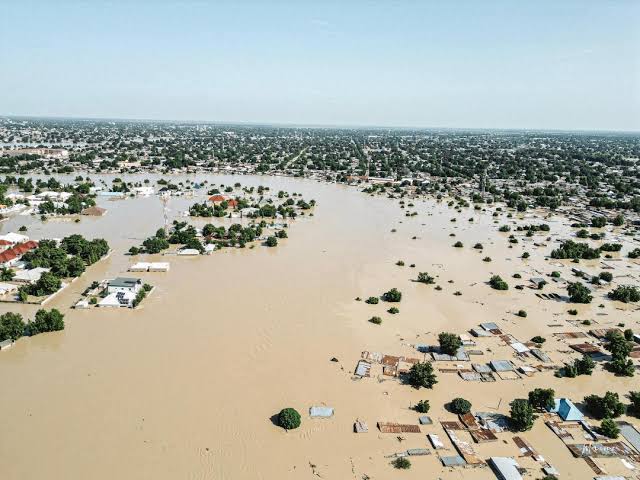
Nigeria is currently witnessing a series of significant events impacting millions across the nation. Among the top stories today is the devastating flood in Borno State following the collapse of the Alau Dam, which has affected approximately one million people and displaced over 400,000 residents. In addition to this humanitarian crisis, other major developments include calls from oil marketers for the complete removal of fuel subsidies, the alarming spread of the Mpox virus to 23 states, policy changes in Ogun State to ease civil servants' commuting challenges amid fuel scarcity, and heightened military engagements in Zamfara to combat banditry. This article delves into these pressing issues, providing detailed insights and updates.
The collapse of the Alau Dam in Borno State has unleashed one of the worst flooding disasters in Nigeria's recent history. According to the National Emergency Management Agency (NEMA), approximately one million people have been affected by the floodwaters, with around 414,000 individuals displaced from their homes. This calamity has resulted in significant loss of property, agricultural lands, and infrastructure, exacerbating the vulnerability of already fragile communities in the region.
The flooding has been described by the United Nations Human Rights Refugee Council and the Maiduguri Metropolitan Council as the most severe in three decades. Tragically, the death toll has risen to 30 as rescue and relief efforts continue. The inundation has disrupted livelihoods, education, and access to essential services, calling for urgent humanitarian intervention.
In response, NEMA has established nine Internally Displaced Persons (IDP) camps around Borno to provide shelter, food, medical care, and psychological support to the displaced populations. These camps are equipped to address immediate needs while longer-term rehabilitation plans are underway. The federal government has allocated ₦3 billion to aid victims, focusing on rehabilitation, food supplies, and vital resources to support survival and recovery.
Beyond the federal government's financial allocation, the Borno State government has also taken steps to alleviate the suffering of flood victims. The state governor has announced a direct cash support initiative, providing ₦10,000 to every household affected by the flooding. This monetary assistance aims to help families meet basic needs during this critical period.
Relief organizations, both national and international, have mobilized resources to support the displaced communities. Efforts include the distribution of clean water, sanitation facilities, medical supplies, and food rations. These interventions are crucial to preventing disease outbreaks and ensuring the dignity and well-being of those impacted.
The disaster has also prompted calls for improved infrastructure and dam management to prevent future collapses. Experts emphasize the importance of regular maintenance, early warning systems, and community education to enhance resilience against such natural disasters in vulnerable areas.
In another significant development, oil marketers and refiners across Nigeria have united in demanding the federal government fully remove subsidies on petroleum products. Associations such as the Major Energies Marketers Association of Nigeria, the Depot and Petroleum Products Marketers Association, and the Crude Oil Refiners Association have jointly advocated for total market deregulation.
Their argument centers on the recent petroleum price hikes, which they claim have disrupted the market dynamics and strained the supply chain. They believe that subsidy removal and deregulation will enhance efficiency, improve product availability, and encourage greater private sector participation in the oil industry.
The groups assert that subsidy removal will pave the way for a more competitive market, reducing reliance on government intervention and fostering sustainable growth. However, this call has sparked debate due to concerns over potential impacts on fuel prices and the cost of living for average Nigerians.
The Mpox (monkeypox) virus continues to spread across Nigeria, with confirmed cases now reported in 23 states. The Nigeria Centre for Disease Control and Prevention (NCDC) has confirmed 67 cases out of 1,031 suspected infections nationwide. This uptick in cases has heightened public health vigilance and response efforts.
Mpox is a zoonotic virus transmitted from animals to humans and can spread through close human contact. The disease typically presents with fever, rash, and swollen lymph nodes, and while often self-limiting, it can lead to severe complications in vulnerable populations.
States affected include Oyo, Lagos, Kaduna, Ogun, and the Federal Capital Territory, among others. Health authorities are intensifying surveillance, community education, and vaccination campaigns to curb transmission. The situation underscores the need for robust infectious disease preparedness and response systems in Nigeria.
In response to the ongoing fuel scarcity and rising fuel prices, Ogun State Governor Dapo Abiodun has introduced a policy granting work-free days to civil servants. Officers within Grade Levels 10 to 14 are allowed two days off per week, while those in Grade Levels 15 to 17 receive one day off, aimed at reducing commuting challenges.
This measure seeks to alleviate the financial and logistical hardships faced by government workers struggling with increased transportation costs amid the fuel crisis. The policy is temporary and subject to review as the fuel situation improves.
The initiative has been welcomed by many civil servants as a pragmatic approach to balancing work demands with personal welfare during difficult economic times. It also reflects the state government's commitment to supporting its workforce amid nationwide fuel supply disruptions.
The federal government has increased military presence in Zamfara State as part of its ongoing campaign to combat terrorism and banditry. The deployment targets notorious bandit leader Bello Turji, who has terrorized communities by imposing extortion levies and perpetrating violent attacks.
Bello Turji's group recently imposed a ₦30 million levy on a local community under threat of death, highlighting the severity of insecurity in the region. The military operations aim to dismantle such armed groups and restore peace and security for residents.
This intensified security effort forms part of a broader strategy to address banditry across Nigeria’s northwest. Collaboration between security agencies and community stakeholders is crucial to achieving lasting stability and preventing the resurgence of criminal activities.
The convergence of natural disasters, public health crises, economic debates, and security challenges paints a complex picture of Nigeria's current state. The flood disaster in Borno not only demands immediate humanitarian aid but also calls for systemic improvements in disaster preparedness and infrastructure resilience.
Similarly, the discussions around oil subsidy removal reflect ongoing tensions between economic reforms and social welfare. The government's approach to these issues will significantly influence Nigeria's economic stability and growth trajectory in the coming years.
Meanwhile, health and security concerns, such as the Mpox virus spread and banditry in Zamfara, underscore the need for strengthened public health systems and security frameworks. Addressing these multifaceted challenges requires coordinated efforts from government, civil society, and international partners.
The top stories emerging from Nigeria today reveal a nation grappling with multifaceted challenges that span humanitarian crises, economic reforms, public health threats, and security concerns. The catastrophic flooding in Borno underscores the fragility of infrastructure and the urgent need for effective disaster management systems. Simultaneously, debates over fuel subsidy removal and responses to the Mpox outbreak reflect ongoing struggles to balance economic growth with public welfare. Meanwhile, Ogun State's policy adjustments and military operations in Zamfara demonstrate proactive measures addressing immediate social and security issues. As Nigeria navigates these complex realities, collaborative efforts among government entities, communities, and partners remain essential to fostering resilience and sustainable development.
Originally reported by ynaija.com. Adapted for our readers.
Keep reading
Top Stories
NEWYou can now listen to Fox News articles! Researchers recently uncovered a long-lost medieval convent in an unusual location in Denmark: a soccer field…
News
By Engr. Tamunofiniarisa BrownReading Time: 6 Minutes The conflict between Russia and Ukraine is often framed in the media as a simple battle between…
TAMFIS NIG LTD
Electrical and instrumentation engineering, bid preparation and consulting, IT and software.