Top Stories
Discovery beneath soccer field reveals massive medieval convent lost for centuries
NEWYou can now listen to Fox News articles! Researchers recently uncovered a long-lost medieval convent in an unusual location in Denmark: a soccer field…
TAMFIS NIG LTDRC 8067447CAC ACTIVEFinima, Bonny Island, Rivers State

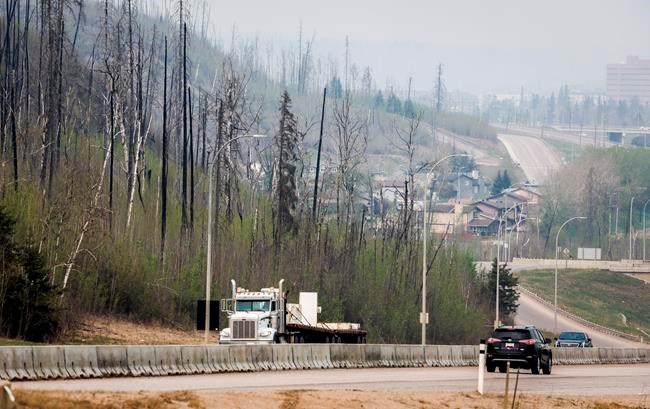
Wildfires have become an increasingly severe threat in Western Canada this season, with thousands of residents forced to evacuate their homes as flames consume vast swaths of forest and threaten communities. British Columbia, Alberta, and Manitoba are among the hardest hit, with fires spreading rapidly due to dry conditions, high temperatures, and strong winds. This article offers a comprehensive update on the current wildfire situation, examining the scale of evacuations, firefighting efforts, environmental consequences, government interventions, and the ongoing challenges faced by affected communities.
As of the latest reports, wildfires continue to burn aggressively across multiple provinces in Western Canada. British Columbia and Alberta remain the epicenters, with numerous fires forcing tens of thousands of residents to evacuate. In Citadel Nelson, B.C., approximately 4,700 people have been displaced, while Citadel McMurray, Alberta, has seen around 6,600 residents evacuated with the rest of the city on high alert.
In Manitoba, a significant fire near Cranberry Portage has also led to the evacuation of around 500 residents. The scale of these fires is unprecedented for this time of year, with conditions remaining volatile due to dry weather and gusty winds. Firefighters are working tirelessly to contain the blazes, but the threat persists across the western provinces.
The fires have grown rapidly in size and intensity, with some spreading over hundreds of square kilometers. Authorities continue to monitor the situation closely, issuing evacuation orders and alerts to ensure public safety. Residents in affected areas are urged to stay informed and comply with emergency directives.
The wildfires in British Columbia have produced record-breaking carbon emissions this month. According to the European Union’s Copernicus Atmosphere Monitoring Service, carbon emissions from B.C. wildfires alone have exceeded 12 megatonnes, contributing to an estimated 15 megatonnes emitted by Canadian fires in the first half of the month.
These emission levels are more than double the previous record for the month, reflecting the unprecedented scale and intensity of the fires. Senior Scientist Paul Parrington highlighted that the current wildfire activity is highly concerning, especially given that it is still early in the wildfire season.
Beyond carbon emissions, these fires impact air quality across vast regions, affecting human health and ecosystems. Smoke plumes have traveled hundreds of kilometers, reducing visibility and increasing respiratory risks for residents far from the fire zones.
Thousands of residents have been forced to leave their homes as wildfires threaten communities. In Citadel McMurray, Alberta, evacuation orders remain in place for multiple neighborhoods, although no structural damage has been reported in the evacuated zones so far. Local authorities continue to assess conditions to determine when residents can safely return.
Emergency responders, including RCMP officers, have increased patrols in evacuated areas to ensure security and prevent unauthorized access. The scale of displacement has placed significant strain on emergency shelters and support services, prompting coordinated efforts to provide aid to evacuees.
Community organizations and charities have stepped up to assist displaced residents and their pets. For example, a Calgary-based animal charity has been caring for dozens of pets evacuated from Citadel McMurray, offering crucial support to families affected by the fires.
In response to the escalating crisis, the Manitoba and federal governments have jointly committed $38.4 million over four years to bolster firefighting and prevention efforts. This funding will be evenly split and aimed at enhancing training, purchasing firefighting equipment, and expanding the workforce of wildland firefighters and support staff.
Federal Emergency Preparedness Minister Harjit Sajjan announced this investment in Winnipeg, emphasizing the need for sustained resources to manage wildfire risks effectively. These measures are critical to improving readiness and response capabilities as wildfire seasons lengthen and intensify due to climate change.
Alberta’s Forestry Minister Todd Loewen confirmed that all provincial wildfire crews have been hired for the season, but additional personnel will not be available until the following week. Currently, 172 firefighters, 22 helicopters, and over 50 pieces of heavy equipment are deployed to combat fires near Citadel McMurray.
Fire crews are battling difficult conditions to contain the blazes threatening populated areas. In Citadel Nelson, B.C., firefighters are gaining some advantage from cooler temperatures and increased humidity, which are expected to aid containment efforts over the coming days.
Despite recent rainfall, officials caution that the wildfire threat remains significant and could persist for weeks or months. The unpredictable nature of wildfire behavior, coupled with rugged terrain and changing weather patterns, complicates suppression efforts.
Strategic actions such as creating fire breaks, clearing vegetation, and deploying aerial firefighting resources are being employed extensively. For instance, Athabasca Oil Corp. near Citadel McMurray has proactively built fire breaks and removed trees to protect its facilities from encroaching flames.
The wildfires have disrupted local economies, particularly in resource-dependent regions. Operations at oil sands facilities near Citadel McMurray have been adjusted to mitigate fire risks, with companies investing in preventative measures to safeguard assets and personnel.
Evacuations and road closures have also affected transportation and supply chains, challenging businesses and residents alike. The economic toll includes lost productivity, damage to infrastructure, and costs associated with emergency response and recovery.
Communities are working to balance safety with economic continuity, but prolonged wildfire activity threatens long-term stability. Recovery efforts will require coordinated support from government agencies, industry stakeholders, and community organizations.
In the face of widespread displacement, community groups and charities have mobilized to provide vital assistance. Organizations are offering shelter, food, emotional support, and pet care services to evacuees, helping to alleviate the immediate hardships caused by the fires.
Local governments and volunteers coordinate with emergency services to ensure that evacuees receive timely information and resources. Social workers and mental health professionals are deployed to address the psychological impacts of evacuation and loss.
Public awareness campaigns emphasize the importance of preparedness and adherence to safety protocols. Communities are encouraged to develop evacuation plans and support vulnerable populations, enhancing resilience amid ongoing wildfire threats.
Experts warn that wildfire seasons are expected to become longer and more intense due to climate change, underscoring the need for enhanced preparedness. Investing in early detection, firefighting capacity, and community education will be critical to managing future risks.
Ongoing monitoring of wildfire emissions and environmental impacts informs policy decisions and resource allocation. Governments at all levels are urged to integrate climate adaptation strategies into wildfire management plans to mitigate long-term consequences.
Residents in fire-prone regions should stay informed about fire danger levels, maintain defensible space around properties, and follow evacuation orders promptly. Collaborative efforts between authorities, communities, and individuals will be essential to reducing wildfire damage and protecting lives.
The wildfire crisis unfolding across Western Canada highlights the growing challenges posed by extreme weather and climate change. As thousands of residents remain displaced and firefighters battle to control vast blazes, coordinated efforts among governments, communities, and industries are vital. Continued investment in firefighting resources, prevention, and public awareness will be essential to mitigate future wildfire impacts. Meanwhile, affected communities demonstrate resilience and solidarity in the face of adversity, underscoring the importance of preparedness and support systems as wildfire seasons grow more severe.
Originally reported by sootoday.com. Adapted for our readers.
Keep reading
Top Stories
NEWYou can now listen to Fox News articles! Researchers recently uncovered a long-lost medieval convent in an unusual location in Denmark: a soccer field…
News
By Engr. Tamunofiniarisa BrownReading Time: 6 Minutes The conflict between Russia and Ukraine is often framed in the media as a simple battle between…
TAMFIS NIG LTD
Electrical and instrumentation engineering, bid preparation and consulting, IT and software.