
In recent weeks, a surprising legal threat has emerged from the political arena: Willie Brown, the former mayor of San Francisco, has indicated he may sue former President Donald Trump. The dispute centers around a contested story involving an emergency helicopter landing that Trump claims he experienced with Brown, a claim Brown vehemently denies. This controversy not only highlights the personal and political tensions between the two figures but also sheds light on the broader dynamics influencing the upcoming presidential election. This article delves into the origins of the conflict, the arguments from both sides, and the potential repercussions for all parties involved.
Background: Willie Brown and Donald Trump’s Political Histories
Willie Brown served as the mayor of San Francisco from 1996 to 2004 and remains a significant figure in California politics. Known for his charismatic leadership and political savvy, Brown has influenced Democratic politics for decades. Donald Trump, the 45th President of the United States, has been a dominant and polarizing figure in American politics since his 2016 election. Their paths have rarely crossed publicly, making the current dispute particularly unexpected.
Brown’s political career is marked by his deep roots in California’s Democratic establishment, while Trump’s trajectory has been shaped by his business background and later his role as a Republican leader. Despite their differing political affiliations, the two have occasionally intersected in social and political contexts, sometimes drawing media attention due to their contrasting styles and personalities.
The recent controversy has thrust their relationship into the spotlight, raising questions about the veracity of Trump’s claims and Brown’s response. Understanding their backgrounds provides context for the intensity and public interest surrounding this dispute.
The Helicopter Incident: Conflicting Accounts
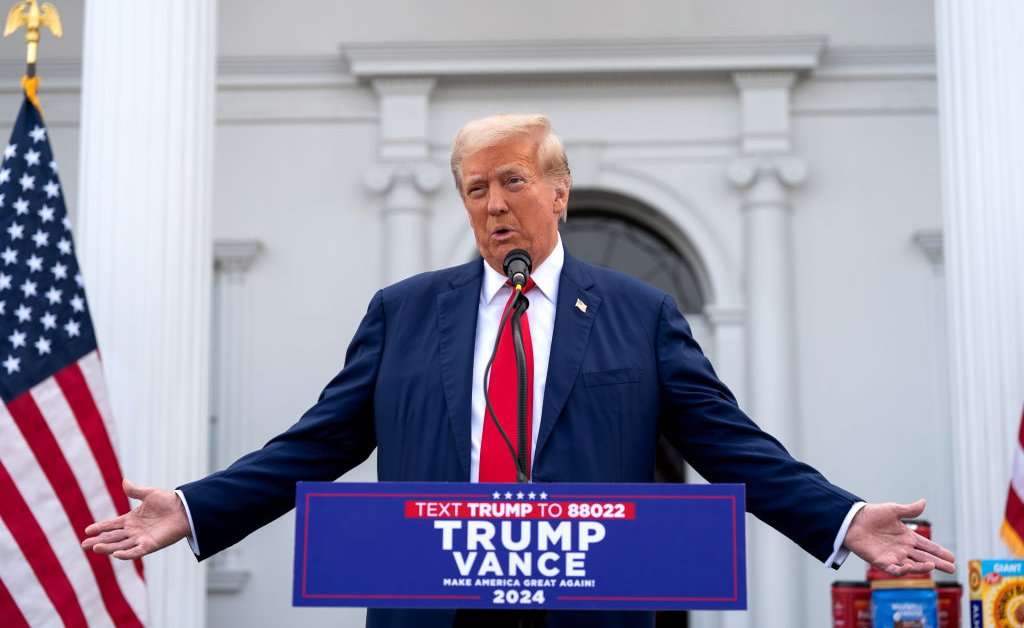
The crux of the dispute lies in a story Donald Trump told during a press conference at his Mar-a-Lago estate in early August 2024. Trump claimed that he and Willie Brown were passengers on a helicopter that experienced an emergency landing. According to Trump, the incident was frightening, and Brown allegedly spoke negatively about Vice President Kamala Harris during the flight.
Brown quickly denied the story, asserting that no such helicopter ride with Trump ever occurred, let alone an emergency landing. He emphasized that if such a dramatic event had taken place, it would have been widely known. Brown characterized Trump’s account as a fabrication and a deliberate attempt to mislead the public.
Further complicating the narrative, some observers speculate that Trump may have confused Willie Brown with other political figures. For example, former California Governor Jerry Brown did ride in a helicopter with Trump during a wildfire survey flight in 2018, though no emergency landing was reported. Additionally, former Los Angeles councilman Nate Holden recounted a helicopter ride with Trump that did include an emergency landing but involved different individuals.
Political Motivations Behind the Dispute
The timing of the helicopter story and the ensuing legal threats cannot be separated from the broader political context. Vice President Kamala Harris, who dated Willie Brown in the 1990s, is the presumptive Democratic presidential nominee for the 2024 election. Trump’s comments about Harris and his attempt to link Brown to negative remarks appear aimed at undermining Harris’s campaign.
Brown, for his part, has expressed frustration that Trump’s claims are distracting from Harris’s recent political successes, including key endorsements and growing support within the Democratic Party. Brown has stated that the false narrative serves as a diversion from Harris’s 'ascendancy' and the momentum she has built ahead of the election.
This dispute reflects the heightened tensions and aggressive tactics common in modern political campaigns, where personal attacks and misinformation can influence public perception. Both Brown and Trump are leveraging their statements to shape narratives favorable to their respective political allies.
Legal Threats and Potential Lawsuits
Following the publication of media reports challenging Trump’s helicopter story, Trump reportedly contacted New York Times reporter Maggie Haberman, asserting he had proof of the incident and indicated plans to sue over the negative coverage. This response suggests Trump is prepared to pursue legal action to defend his claims and reputation.
Willie Brown, in turn, has declared that if Trump pursues litigation against media outlets for calling him a liar, Brown himself will consider suing Trump for defamation. Brown’s willingness to escalate the dispute legally underscores the seriousness with which he views Trump’s allegations and his intent to protect his own integrity.
Legal experts note that defamation lawsuits involving public figures are complex, often requiring proof of actual malice. Whether either party will follow through with a lawsuit remains uncertain, but the public threats contribute to the ongoing media attention and political drama surrounding the dispute.
Impact on Kamala Harris and the 2024 Presidential Race
The controversy indirectly affects Vice President Kamala Harris, whose past relationship with Willie Brown has been revisited in light of Trump’s comments. Harris has largely remained above the fray, focusing on her campaign efforts and the recent endorsements that bolster her chances in the Democratic primary.
Trump’s attempt to associate Harris with negative remarks allegedly made by Brown appears to be a strategic move to sow discord and question her character. However, political analysts suggest that such tactics may have limited impact given Harris’s established political record and the widespread support she enjoys within her party.
The episode highlights the intense scrutiny candidates face during presidential campaigns, where personal histories and associations are often exploited for political gain. How much this dispute will influence voters remains to be seen, but it adds another layer of complexity to an already contentious election season.
Media Coverage and Public Reactions
The media has played a critical role in amplifying the dispute between Brown and Trump. Major outlets like The New York Times and Politico have reported extensively on the conflicting helicopter stories, providing context and fact-checking claims made by both sides.
Public reaction has been mixed, with some viewing Trump’s claims as another example of his penchant for exaggeration, while others see Brown’s denials as politically motivated. Social media platforms have been abuzz with debates, memes, and commentary reflecting the polarized nature of American political discourse.
The intense coverage ensures that the story remains in the public eye, potentially influencing perceptions of both Brown and Trump. It also illustrates the challenges politicians face in controlling narratives in the digital age, where misinformation and rapid news cycles dominate.
Historical Context of Political Feuds Involving Willie Brown
Willie Brown has a long history of political feuds and controversies, often marked by his sharp wit and willingness to confront adversaries. His tenure as mayor was characterized by both significant achievements and spirited disputes with political opponents, media, and even allies.
This latest conflict with Donald Trump fits within that tradition of Brown engaging directly with critics and refusing to back down from public battles. Brown’s reputation for resilience and political acumen suggests he is prepared for a prolonged confrontation if necessary.
Understanding Brown’s political style helps explain why he is responding forcefully to Trump’s allegations. It also contextualizes the broader implications for California politics, where Brown remains an influential figure despite no longer holding office.
What’s Next: Potential Outcomes and Implications
As this dispute unfolds, several outcomes are possible. If lawsuits are filed, the legal process could bring additional evidence and testimonies to light, potentially clarifying the facts behind the helicopter incident claim. However, legal battles could also prolong the conflict and keep it in the public spotlight.
Alternatively, both parties might choose to de-escalate the situation to avoid further political damage. Given the proximity to the 2024 election, strategic considerations could influence how aggressively each side pursues the matter.
Regardless of the immediate outcome, this episode underscores the volatile nature of contemporary political discourse and the ways in which personal narratives are weaponized. It also highlights the enduring influence of figures like Willie Brown in shaping political conversations well beyond their official terms.
Conclusion
The legal threat from former San Francisco Mayor Willie Brown against Donald Trump over a contested helicopter story exemplifies the intense personalization and politicization of contemporary American politics. While the veracity of the claims remains disputed, the incident reveals how personal narratives are leveraged for political advantage, especially in an election year. As both sides navigate potential legal battles and public scrutiny, the dispute continues to captivate media and public attention, underscoring the complex interplay between politics, media, and personal reputations in today’s political environment.