
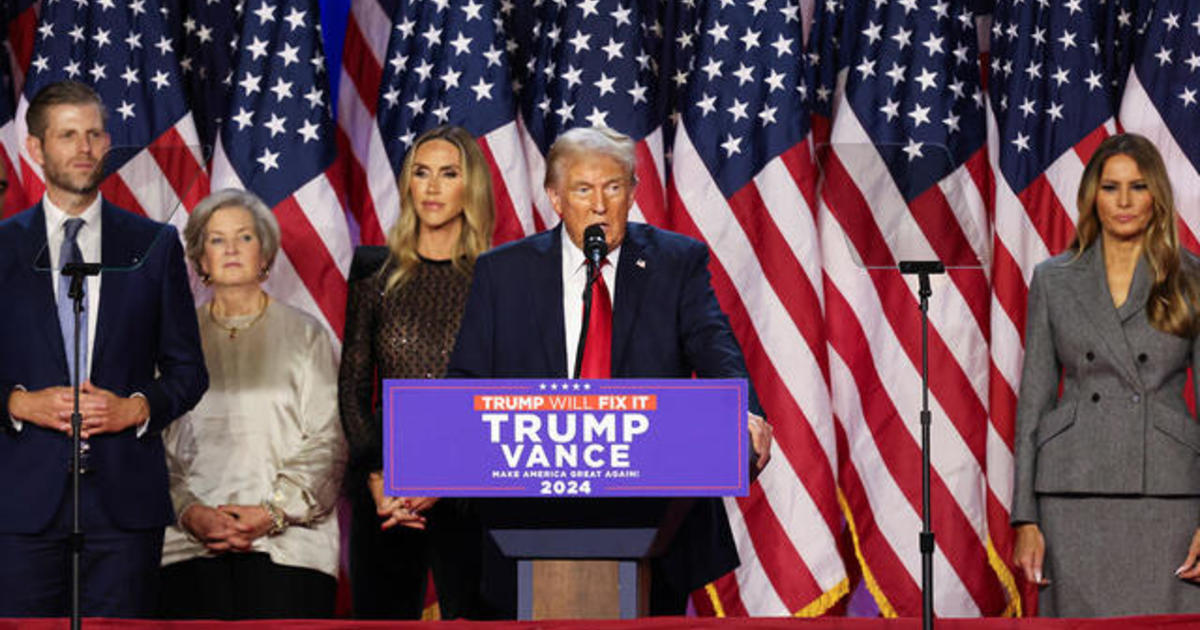
The 2016 United States presidential election marked a significant turning point in American politics, culminating in Donald Trump's unexpected victory. Despite being a political outsider with no prior elected office experience, Trump managed to secure the presidency against seasoned politician Hillary Clinton. This article delves into the complex and interrelated factors that led to Trump's success, analyzing economic conditions, campaign tactics, voter behavior, media dynamics, and broader social trends. Understanding these elements provides valuable insights into the shifting political landscape of the United States.
Economic Discontent and Voter Sentiment
One of the primary drivers behind Donald Trump's victory was widespread economic dissatisfaction among American voters, particularly in the industrial Midwest. Many communities faced job losses due to globalization, automation, and trade policies perceived as unfavorable. These economic anxieties fueled a desire for change and a rejection of the political establishment.
Trump's campaign capitalized on this sentiment by promising to bring back manufacturing jobs, renegotiate trade deals like NAFTA, and prioritize American workers. His rhetoric resonated with voters who felt left behind by the economic recovery that seemed to benefit coastal elites and urban centers more than rural or post-industrial regions.
This economic frustration translated into increased support for Trump in key battleground states such as Michigan, Wisconsin, and Pennsylvania. These traditionally Democratic strongholds shifted toward the Republican candidate, highlighting the role of economic discontent in altering voting patterns.
Populist Messaging and Anti-Establishment Appeal
Trump's populist messaging was central to his campaign strategy, positioning himself as an outsider who would disrupt the status quo. His blunt, unfiltered communication style appealed to voters tired of conventional political rhetoric and perceived dishonesty among politicians.
By framing the election as a battle against a corrupt political elite, Trump tapped into widespread distrust of government institutions and mainstream media. This anti-establishment stance energized a segment of the electorate seeking a candidate who appeared authentic and willing to challenge existing power structures.
Moreover, Trump's promises to prioritize 'America First' policies and his tough stance on immigration reinforced his image as a defender of national interests, further strengthening his appeal among voters concerned about cultural and economic changes.
Strategic Use of Media and Social Platforms
Donald Trump's mastery of media, particularly social media platforms like Twitter, played a pivotal role in shaping public perception and maintaining constant engagement with supporters. His direct communication bypassed traditional media filters, allowing him to control his narrative and mobilize his base effectively.
The campaign's savvy use of provocative statements and viral moments generated extensive media coverage, often dominating news cycles and overshadowing opponents. This 'earned media' strategy reduced advertising costs while amplifying Trump's visibility across diverse audiences.
Additionally, targeted digital advertising and data analytics enabled the Trump campaign to reach specific voter demographics with tailored messages, maximizing impact in critical swing states. This innovative approach to voter outreach was instrumental in securing narrow victories in key regions.
Demographic Shifts and Voting Patterns
Analyzing voting demographics reveals that Trump's support was particularly strong among white, working-class voters without college degrees. This group, historically a reliable Democratic constituency, shifted allegiance in 2016, motivated by economic concerns and cultural issues.
Furthermore, Trump's appeal extended to evangelical Christians and rural voters, who resonated with his conservative positions on social and religious matters. This coalition helped solidify his base across diverse geographic and ideological segments.
Meanwhile, traditional Democratic groups, such as suburban women and younger voters, showed varying degrees of support, indicating a complex realignment of voter preferences. The interplay of these demographic factors was crucial in determining the election outcome.
Impact of Hillary Clinton’s Campaign Challenges
Hillary Clinton’s campaign faced several challenges that indirectly contributed to Trump's victory. Issues such as lingering distrust from the Benghazi investigation, controversy over private email use, and a perceived lack of enthusiasm among some Democratic voters weakened her appeal.
Clinton's campaign struggled to effectively address economic concerns in key industrial states, failing to connect with working-class voters who felt alienated. This disconnect hindered her ability to maintain traditional Democratic strongholds.
Moreover, the campaign’s strategic decisions, including messaging and outreach efforts, were sometimes criticized for underestimating Trump's appeal and the shifting political dynamics, ultimately impacting voter turnout and support.
Role of External Influences and Controversies
The 2016 election was marked by significant external influences, including allegations of foreign interference aimed at undermining the democratic process. Investigations revealed attempts to influence voter opinions through social media campaigns and hacking activities, adding complexity to the electoral environment.
Additionally, controversies surrounding both candidates dominated the discourse, with Trump's personal conduct and past statements scrutinized alongside Clinton’s email scandal. These issues heightened polarization and intensified voter emotions.
The contentious atmosphere contributed to increased political engagement but also deepened divisions, shaping voting behavior in unpredictable ways that ultimately favored Trump's insurgent campaign.
Electoral College Dynamics and Swing State Victories
Trump’s victory hinged on narrow wins in several key swing states, highlighting the strategic importance of the Electoral College system. States like Michigan, Wisconsin, and Pennsylvania, which had voted Democratic in previous elections, flipped to Republican by slim margins.
This outcome underscored the significance of targeted campaigning and localized messaging tailored to the unique concerns of voters within these regions. Trump's focus on economic revitalization and trade resonated deeply in areas experiencing industrial decline.
The Electoral College dynamics amplified the impact of these victories, allowing Trump to secure enough electoral votes despite losing the popular vote. This system shaped campaign strategies and ultimately determined the election’s result.
The Influence of Political Polarization and Media Fragmentation
The 2016 election occurred in a context of heightened political polarization, with voters increasingly divided along ideological lines. This environment intensified partisan loyalties and reduced the space for moderate or bipartisan appeals.
Media fragmentation, characterized by the proliferation of partisan news outlets and social media echo chambers, reinforced existing beliefs and limited exposure to opposing viewpoints. This phenomenon contributed to entrenched attitudes and mobilized voters around identity and ideological issues.
Trump’s ability to energize his base through direct communication and media manipulation exploited these divisions, creating a highly motivated electorate that played a decisive role in his electoral success.
Conclusion
Donald Trump's 2016 presidential victory was the result of a complex interplay of economic, social, and political factors. Economic anxieties, a compelling outsider narrative, savvy media strategies, and changing voter demographics all contributed to his success. Additionally, the unique dynamics of the Electoral College and the polarized media environment played significant roles. Understanding these elements provides critical insights into the evolving landscape of American politics and the forces shaping electoral outcomes in the modern era.